As part of 2025 iGEM competition, team prepares to highlight their work on global stage
A team of 12 Tel Aviv University (TAU) students, from undergraduates to PhDs, is currently developing a novel, RNA-targeted therapy for lung cancer. The project, Oncoligo, aims to disrupt cancer at its genetic roots, using advanced modeling and molecular biology to selectively kill cancer cells with minimal side effect; it will be presented October 28 to 31, 2025 on the global stage in Paris at the annual iGEM competition, the world’s largest showcase for synthetic biology.
A Team Built Across Disciplines
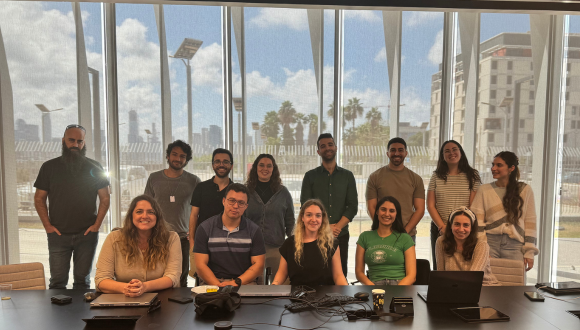
Led by Shir Shance and Idan Eyni, third-year undergraduate students in biotechnology and in biomedical engineering respectively, the TAU iGEM team brings together campus collaboration across disciplines like medical sciences, computer science, mathematics, biotechnology and biomedical engineering.
“Synthetic biology is a combination of molecular biology and sophisticated engineering tools,” explains Eyni.
“So iGEM is really all about interdisciplinary teams and bringing all these different strengths together.”—Idan Eyni, biomedical engineering undergraduate
The TAU IGEM program was founded by Prof. Tamir Tuller from the engineering faculty (an expert in computational and synthetic biology), who is the lead supervisor of the program. The team is also supported by a scientific steering committee that includes Profs. Avigdor Eldar, Uri Gophna, Martin Kupiec and Itai Benhar.
Members of TAU’s iGEM team join Startup Nation Central for mentorship on entrepreneurship.
In addition, it is supported by an entrepreneurship committee that includes Yair Sakov (founder and managing director of TAU’s Entrepreneurship Center) and the team at Startup Nation Central.
A New Approach to Cancer
Oncoligo targets a fundamental weakness in cancer cells: their faulty mRNA. Rather than trying to destroy cancer cells via their mutated – proteins, as many current therapies do, the team is working to target cancer cells via the mutations in the mRNA molecules. The key lies in molecules known as antisense oligonucleotides (ASOs), which can bind to mutated RNA and deactivate it.
“Think of DNA as a recipe book, RNA as like a single recipe out of this book … and the protein is the final dish.”—Shir Shance, biotechnology undergraduate
“In cancer cells, the DNA has mutations, meaning the recipe is often damaged, leading to defective proteins … and so we’re thinking about how to kill cells with errors in the recipe so the damaged, cancerous proteins can’t exist anymore,” explains Shance.
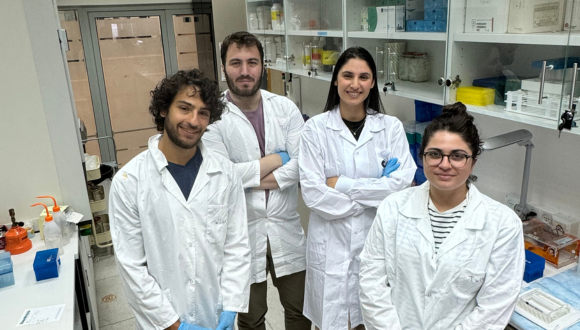
Oncoligo members in the lab (from left to right): Roni Zarakhovsky, Oren Haviv, Shir Shance and Gal Aziel.
By designing novel ASOs that specifically bind to cancerous mRNA, the team hopes to offer a therapy that selectively targets tumor cells while leaving healthy tissue unharmed. This approach diverts from most current therapies, which target the cancer cells via chemotherapy and other nonspecific methods.
Powered by Modeling, Guided by Experimentation
One aspect that makes the project especially innovative is the use of computational modeling to design the most effective ASO sequences.
Michael Kovaliov, a master’s student in applied mathematics, leads the modeling team. “RNA can be difficult to distinguish and so we want to build a computational model that knows how to target certain areas” he explains.
“So, we’re first coming up with the computational model … then running some sequences in vitro in an actual cell line to test how effective it is. Once we get our results, we plug them back into the computer, we analyze them, and we try to make the model better once again.”—Michael Kovaliov, graduate student in applied maths
The team is currently testing their ASOs in model organisms like yeast and in human cell lines, with plans to eventually move into human cancer cell lines in the months ahead. If successful, their approach could offer a template for developing RNA-targeting therapies across a range of cancers.
Building Community, Locally and Globally
In parallel, the team has helped organize ISRA-GEM, a local version of the iGEM competition that took place in June and invited Israeli high school and university students from across the country to submit their own synthetic biology projects. This year, the competition saw over 250 participants from both central and peripheral regions of Israel.
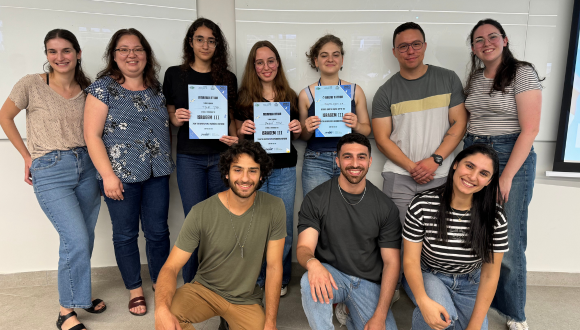
TAU’s iGEM team members award winners of the 2025 ISRA-GEM competition.
The team is also holding an international online meetup on August 28, connecting iGEM teams from more than 17 countries—including Egypt, France, India, Pakistan, the United Arab Emirates, Zimbabwe and Ghana. “The idea is to share ideas and collaborate and also practice for the iGEM grand final in Paris,” says Shance.
Looking Ahead to Paris—and Beyond
With the main iGEM competition approaching, TAU’s iGEM team is focused on preparing a proof of concept and finalizing a research tool they’ve built to help others design ASOs for different diseases. While the team is hoping to once more bring home gold (TAU won a gold medal at last year’s competition), they’re also just excited for what the opportunity will bring.
“It’s a great experience for us to present our project and to reach other researchers from all over the world to learn from them.”—Idan Eyni.
The TAU team additionally hopes that the iGEM competition marks the beginning of a lasting contribution to cancer research, one that can be continued in the form of a startup: “iGEM is designed to prepare you for the industry,” says Kovaliov. “Good science needs to come in conjunction with a coherent business plan; if this project matures enough, we would love to open a company.”
Learn more about TAU’s 2025 iGEM team and the Oncoligo project.
Even in challenging times, we at TAU continue to dream, learn, and build new global opportunities, including through our Student Exchange Program.
Despite our daily routine changing and shifting, Tel Aviv University remains committed to global partnerships, offering our students opportunities for learning, growth, and connection. Through the Student Exchange Program, you can spend a semester at a partner university abroad, gaining academic experience, expanding your horizons, and building an international network for your future.
The call for outgoing exchange for Spring 2026 opens July 1. Whether you’re an undergraduate, graduate, or PhD student, TAU’s University-wide student exchange program can take you to new places academically and personally. Still not sure it’s for you? We asked someone who’s been there.
Here we break down what to expect, with insights from Oren Vaserman, TAU student in East Asian Studies BA who just recently returned from a semester in Beijing at Peking University.
Is exchange only for certain students or programs?
The exchange program is open to the vast majority of TAU students, spanning all faculties and degree levels, from undergrad to PhDs, with only a few exceptions of programs that have special schedule limitations.
“I went to Beijing because I wanted to live and study in East Asia. Since I was studying Chinese at TAU, it made sense to go to China and experience the culture firsthand.”
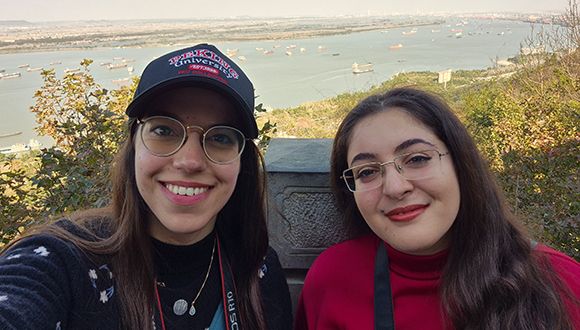
Peking University even has a lake on campus!
Whether you’re studying environmental studies, history, business, biology, or other fields, there’s a destination that fits. Browse the catalog to find your perfect match.
Will I fall behind in my degree at TAU if I go abroad?
Not if you plan ahead. At TAU, all courses must be pre-approved before departure, and exchange credits count toward your degree.
“I’m graduating on time because I got course approvals from my department before I left. But if not, I probably would’ve needed to put in extra effort this semester or take extra courses to finish on time. Planning ahead really paid off.”
The key is coordination with your academic advisor and with the TAU Outgoing Student Exchange Office at the Lowy International School. Students are expected to complete their degrees on time, and exchange should not extend your study period.
How can I shape my exchange to fit my goals?
Your destination and course selection can (and should) align with your academic and personal interests.
“I didn’t just pick a random place. I knew I wanted to be somewhere where I could improve my Chinese and experience the culture.
“The program in Beijing was intense, but that’s exactly what I wanted. Now when professors at TAU mention certain places in class, I can say, ‘I’ve been there.’ It made my studies way more real. My Chinese has also become much more fluent.”
Peking University campus
You can prioritize research, language immersion, or cultural experiences and choose courses in the fields that excite you.
Do I need to speak the local language to go on exchange?
Not at all. Most partner universities offer plenty of courses in English, even in non-English-speaking countries.
Oren studied Chinese before going, but that didn’t mean it was smooth sailing from the start:
“I handed the taxi driver a note with the dorm address because I didn’t really know how to pronounce it properly. In Chinese, if you don’t pronounce something exactly right, people won’t understand you.”
“But over time, I got more confident and started talking to locals. I even joined a club that brought together international and Chinese students for activities like group dinners.”
Even if you don’t speak the language, you’ll be fine. Students manage well with English in countries like Germany, the Netherlands, Korea, France, and others.
Is it just about taking classes?
Far from it. Exchange is about life beyond the classroom.
“I took 20 hours of Chinese a week, and the classes were quite intense. But I also traveled a lot around China. During a national holiday, I went to Shanghai alone for five days.”
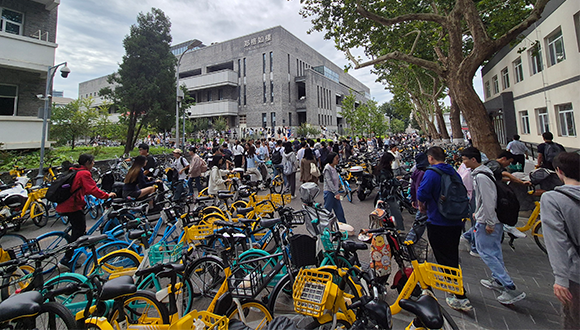
“That was the first time I took a trip completely alone. I almost missed the train, everything was a mess, but I managed. And when I saw the Bund, the place you always see in pictures… that moment, I thought, ‘It’s not a picture, it’s real. I’m really here.’”
Travelling solo around China—done.
From cultural immersion to exciting trips and new friendships, the exchange experience shapes who you become.
Is it expensive to go on exchange?
It’s more affordable than you think. You don’t pay tuition to the host university, and scholarships are available.
“I thought going abroad would be really expensive, but living costs in Beijing were actually pretty low. Ordering food was easy and cheap once I figured out the apps.
“I’d screenshot the Chinese and translate it later. Once I liked something, I just kept ordering the same thing.”
TAU and other organizations offer scholarships to make exchange accessible to more students.
Is the application process long and complicated?
Not at all. It’s straightforward and user-friendly.
“I thought applying would be a huge deal, but it was manageable. The hardest part was picking the right courses and making sure they’d be approved. TAU Outgoing Student Exchange Office at the Lowy International School helped me figure that out.
“After that, it was just logistics with the visa, flight, and paperwork. The Chinese university was super clear about what to do.”
The application guide walks you through the steps, and staff at the TAU Outgoing Student Exchange Office are there to support you.
What kind of support is available and when do I need it most?
You’ll have guidance from the TAU Outgoing Student Exchange Office and the host university, but independence is an important part of the experience.
“TAU helped a lot before I left, especially when I was trying to navigate the Chinese university’s website and figure out which courses I could take.”
Once I got to Beijing, it was mostly up to me. The university offered dorm options in advance, and I got lucky with a great room. I also contacted an Israeli student who was already there. She met me the next day after I arrived and helped me get settled. That made a huge difference.”
The sprawling campus of Peking University
You’ll learn how to handle new situations, build new connections, and grow more capable with every challenge.
What if I feel unwelcome as an Israeli student?
It’s a valid fear, but not what most students actually experience.
“A lot of people worry about how they’ll be treated abroad because of where they’re from. But honestly, I didn’t feel any hate or tension in China. Most of the international students just wanted to be friends and study together.”
“I did talk about my background with a few people, and everyone was respectful, even curious. The media doesn’t always reflect what’s really happening between students.”
Your experience will depend more on who you meet than where you go, and the exchange community tends to be open-minded and inclusive. Importantly, during each semester, TAU Outgoing Student Exchange Office opens a WhatsApp group where you can contact the staff personally in any emergency.
Does going on exchange help my career?
Without a doubt. Exchange adds serious value to your resume and worldview.
“Before this, I thought studying abroad was only for people from big-name universities or with perfect grades. But being in China made me realize I can do more than I thought.
It also opened my eyes to the possibility of doing a master’s abroad. I didn’t know how many options were out there, or that international students are sometimes even more welcome than you’d expect.”
Whether you’re aiming for grad school or your first job, international experience gives you an edge.
So… should you apply?
Yes! Exchange is for anyone curious enough to take the leap. And as Oren’s story shows, it can completely reshape your confidence, your academics, and even your future.
Curious to see what opportunities are available for you?
Explore the range of programs, destinations, and partner universities here.
Please note that applications are open until July 31, 2025.
Still unsure? Reach out to the TAU Outgoing Student Exchangу Office and we’ll help you find the right fit, guide you through the application process, and support you throughout your time abroad.
Because this isn’t just about one semester abroad. It’s about who you’ll become when you get there.
Meet the Class of 2025 graduate who found her path through Tel Aviv University’s double-major BA
When Tyla Shur first arrived in Israel for her gap year, she had no intention of staying longer than planned. But something about the energy of the country, the warmth of the people, and the opportunities that lay ahead convinced her to extend her adventure. Now, three years later, she’s graduating as part of the first cohort from Tel Aviv University’s BA in Management and Liberal Arts, and she couldn’t be happier with her decision.
“Israel is the best place to study,” says Tyla. “It’s the place where you can experience it all. You can have the student life and the parties. You can have a good education. You can meet people from all over the world. You have the beach right here. And of course, there are a lot of opportunities to give back.”
The Perfect Academic Balance
Coming from Johannesburg, Tyla knew she wanted to continue her studies in English but wasn’t entirely sure which direction to take. The unique structure of TAU’s International BA program proved to be exactly what she was looking for, a degree that wouldn’t force her to choose between her interests.
“I really didn’t know what field exactly I wanted to go into, so I felt like this was a good, broad way to approach it,” she explains. The program combines business fundamentals from the world-class Coller School of Management with liberal arts courses from the Faculty of Humanities, allowing students to take courses in economics, marketing, and entrepreneurship alongside psychology, philosophy, literature, and Middle Eastern studies.
“What’s unique about this degree is how it allows you to mix the arts and the business side. It gives you a broad background to go into the business world with a good understanding of other areas.”
“I did psychology, for example, and that’s really helped me understand the way people function. I think this understanding adds to my management skills,” she says.
The academic rigor of a double major BA might seem daunting at first glance, but Tyla found her balance. “It’s definitely a challenging degree, but it’s manageable,” she comments. “Every semester, we only have three management classes, and usually a maximum of two of those will be numbers-heavy, while one will be more management-oriented. With the liberal arts side, you’re using a different part of your brain: it’s more essay writing and assignments.”
“The balance makes it doable and fun.”
Applications for Management & Liberal Arts BA for 2025/26 academic year are open!
Various scholarships are available for international students. New olim are eligible for tuition scholarships from the Israeli Student Authority.
Students in the first cohort come from Russia, Germany, the Netherlands, the USA, Italy, England, South Africa, Brazil, and beyond.
Class of 2025: The first cohort of Management & Liberal Arts BA
“For a lot of people English isn’t even their first language. At the Lowy International School, we’re all learning in English together, gives us this natural common ground and allows us to connect so well,” Tyla reflects.
“What stood out most is how amazing it is to be in a class surrounded by people from all over the world, getting to know their different backgrounds and cultures, and finding out how much we actually have in common.”
Expanding Horizons with Study Abroad in London
The program’s international focus extends beyond the diverse student body. Tyla took advantage of Tel Aviv University’s extensive partnership network to spend a semester at NYU London.
“I did three management classes—International Economics, Money and Banking, and Operations Management—plus one psychology class, Social Psychology,” she recalls. “I only took four classes so that I could have free time to explore and get to know London.”
“It was an amazing experience academically, but also an opportunity to experience exciting life in London, which felt like the center of the world.”
The experience of commuting via the London Underground during rush hour gave her and her TAU roommates “the feel of a local,” while university-organized activities like hiking in Surrey Hills and West End theatre trips enhanced the cultural immersion.
A Supportive Community Away from Home
Living independently for the first time, thousands of miles from family and friends, could feel isolating. But Tyla found that Tel Aviv University and its surrounding community offered multiple layers of support that helped her not just survive, but thrive.
The Jewish Life organizations on campus played a particularly significant role. “The JLIC community became a second family. Eitan and Elana, TAU’s rabbinical couple, have created a warm community with Shabbat dinners and activities,” she explains.
“When I was living in dorms, I could go there any Shabbat, and now they do kiddush on Saturdays too. There are lots of different talks and events going on throughout the week, so you get to connect with other people that aren’t necessarily in your degree.
“It forms a base of consistency that really makes you feel at home.”
These connections proved especially meaningful during challenging times. Tyla recalls powerful speakers who visited through JLIC and Thrive, including discussions about anti-Semitism on university campuses and deeply moving presentations from individuals directly affected by recent events in Israel.
“I miss my family and friends back home, but being in Israel, everyone’s so open and welcoming,” she concludes.
Practical Independence and Learning Life Skills
The transition to complete independence wasn’t without its challenges. “At the start, it’s definitely an adjustment. You learn that you need to spend a lot more time doing chores and cooking,” Tyla admits. But like many aspects of her university experience, she found her rhythm.
“Eventually, you work out a balance. One day you make school lunch in advance, the next day you buy on campus, and the next day you go to a JLIC event where they’re giving you dinner,” she explains. “I’ve also started doing online grocery shopping, which is much easier and a time saver.”
“I wouldn’t trade the independence I’ve gained for anything. Living here has made me more resilient and more grounded.”
Along the way, Tyla has also discovered several favorite spots on campus and in Tel Aviv that have become integral to her daily routine and sense of belonging. “Aroma is definitely a favorite,” she says of the popular campus café. “I love the vibe there. It’s always full, there’s good music, and it’s just a good place to study.”
Tyla Shur (on the right) and Ariella Roitman, also a Management & LIberal Arts BA graduate, at a student meetup
Beyond campus, she’s found her rhythm in the city’s diverse offerings, from studying at Cafe Daisy in Tel Aviv (“a very good spot to work and just order a coffee”) to dining at Pankina for Italian food and Kanki for sushi. Her absolute favorite spot remains the Tayelet at Gordon Beach, where she goes both to relax by the water and attend Zumba classes. And when she’s craving the acai, she heads to Fruit Kingdom, “right outside the Shuk on Shenkin,” which she insists serves “the best acai” around.
Real-World Applications with Internships and Career Preparation
Internships are an integral part of the program, connecting students with Tel Aviv’s startup ecosystem and offering workshops on CV writing, networking, and career planning.
“After doing internships in both large and small companies, I realized I prefer more structure, but I also loved the creative aspects I found in startup work. Now I’m looking for something that combines both,” she says.
Currently, Tyla’s interning writing for a newsletter called The Relisher, crafting articles about Michelin-starred chefs and their favorite restaurants, a role that combines her improved writing skills from liberal arts coursework with her management studies.
As graduation approaches, Tyla feels confident about her prospects:
“Tel Aviv University is very well recognized. I’m glad to have this degree behind me.”
Her post-graduation plans involve staying in Israel and finding work that incorporates her diverse interests. “I would like something that incorporates a bit of psychology and creativity, while still in a business environment,” she explains.
Message for Future Students
For students from South Africa, the US, UK, or Latin America considering a similar path, Tyla’s advice is unequivocal:
“Don’t hesitate. You’ll grow so much academically and personally. It’s a journey worth taking.”
Applications for Management & Liberal Arts BA for 2025/26 academic year are open!
Various scholarships are available for international students. New olim are eligible for tuition scholarships from the Israeli Student Authority.
“We Stand Strong and Keep Our Sights on a Better Future”
June 26, 2025
Message from Tel Aviv University
After nearly two weeks of uncertainty and disruption, Tel Aviv University has reopened its campus following the Israel-Iran ceasefire. The abrupt end to the semester was challenging for everyone in our community—students, faculty, and staff alike—but today, we are grateful for a return to quiet, to calm, and to one another.
While we are attending to those who have been deeply impacted by the war, our spirit is strong. Our students are preparing for final exams, our labs and libraries are coming back to life, and our flowering campus is once again filled with possibility.
We’re glad to be back—and even more grateful for the resilience, compassion, and determination that define our university community.
June 24, 2025
Message from Prof Mark Shtaif, Rector, Tel Aviv University
Dear Students, Faculty Members, and Academic Staff,
In light of the ongoing hostilities with Iran and the resulting restrictions, and out of consideration for the pressure and distress experienced by many students and faculty members, we have decided—together with the Student Union—to postpone the start of the exam period by one week. The exam period is now scheduled to begin on Sunday, July 13. The possibility of a further one-week postponement will be considered as the situation develops.
At the same time, we have instructed the academic units to explore the option of replacing some exams with alternative assignments, where necessary and academically appropriate.
The combination of this postponement of the exam period and the shortening of the semester by one week provides two important additional weeks for both students and teaching staff to prepare, and is intended to ease the overall process.
I wish all students success in their end-of-semester exams, and to all of us—calmer and safer days ahead.
Sincerely,
Prof. Mark Shtaif
Rector, Tel Aviv University
June 22, 2025
While a rocket recently fell near Tel Aviv University, the campus’ property damage is limited and most importantly no one at TAU was physically harmed. As President Ariel Porat emphasizes, carefully following the safety measures from Home Front Command saves lives. Let’s all work together to ensure safety instructions are followed.
Find the message from the University President, Prof Ariel Porat here:
We hope this message finds you safe and well. Thank you for your ongoing support and concern; it continues to mean a great deal to our team, as well as to our international students and researchers, whose safety and wellbeing remain our priority.
Today, we write with some key updates:
University Status
Tel Aviv University’s academic year will end one week early on Wednesday, June 25. Course materials will be reduced accordingly.
Remaining instruction will take place remotely via Zoom for the remainder of the week and until further notice. All classes will be recorded and uploaded to course websites. Attendance is not mandatory.
In-person instruction, laboratory work and training sessions will only resume once deemed safe by Home Front Command. All campus shelters are open and accessible.
Possibilities for Leaving
Foreign nationals wishing to leave and who haven’t yet done so should contact their embassies in Israel. Real time status updates on Ben Gurion Airport are available via the Israel Airports Authority.
The Lowy School has received inquiries about leaving Israel via land border crossings. We are currently looking into effective options for leaving that prioritize safety.
Secure Areas/Shelters
Our Lowy community leaders remain in close contact day and night with international students and researchers, including during times when sheltering is required. Being in a protected space saves lives. During a siren, leave the shelter door open briefly so others can enter quickly. Once the siren alert ends, close the door(s) and/or window(s) to keep the shelter secure. Please wait in the protected space until you receive further notice from Home Front Command.
Anyone in our community living off campus and worried about their secure area options should email housing@tauex.tau.ac.il. We will do our best to find a solution.
Public Transportation
If essential, there are some train and bus services available. Those in our international community should contact their Lowy community leader for more information.
Health and Wellbeing Services
Health services are available. Should your loved ones have health concerns, please have them contact their Lowy community leader directly about next steps.
A 24/7, English-language emotional support line (ERAN) is currently available: 076-884-4492.
Our current priority is the safety and wellbeing of our international students and researchers at Tel Aviv University (TAU), with whom we are in direct contact. We are following the security and safety protocols in place, as set out both by TAU and The Lowy International School and in coordination with the Home Front Command. We are also vigilantly monitoring all circumstances and are in frequent contact with government agencies.
As we work directly with our international community, please keep the following in mind:
For students and visitors in campus dorms
The Home Front Command defines required levels of protection based on circumstances; we are in complete alignment with their recommendations. The MAMAK (protected space) on each floor of the dormitories and the staircases are considered the most protected areas. Please use them as instructed.
For students and visitors residing off-campus
Home Front Command requires that residential buildings have a secure area that meets safety specifications. Should you be concerned about your safety options, please reach out to housing@tauex.tau.ac.il.
For everyone
Please remember that once you enter a protected area, you must remain there until you receive an official notification from the Home Front Command that it is safe to exit. Do not leave based on the assumption that it’s safe after 10 minutes.
Please be aware of fraudulent phone calls impersonating the Home Front Command from the number 073-3103014, urging people to prepare emergency kits or visit a website. Do not click on any links or visit websites mentioned in such calls. The Home Front Command does not make unsolicited phone calls with instructions or links. Rely only on official sources such as their website and app.
Regarding classes and exams
Instructions about studies and upcoming exams will be shared by the Rector’s Office on Saturday evening, based on the situation assessment and the Home Front Command’s instructions at that time.
We will continue to provide regular updates in the coming days.
Rediscovering professional identity through TESOL training
Sometimes the most transformative educational journeys begin with a moment of unexpected discovery. For Haneen Abu-Khet, this year’s Tel Aviv University MA in TESOL (Teaching English to Speakers of Other Languages) graduate, that moment came through a simple Facebook scroll that would completely redirect her academic and professional path.
Hear from Haneen Abu-Khet About Her Journey:
“Five years ago, after completing my BEd at Beit Berl College, I struggled to choose an academic program that aligned with my future goals and interests. I remember reaching out to former instructors and my college peers to seek advice.
Eventually, after a prolonged period of contemplation and hesitation I decided to register for an MA in English literature and Creative Writing at Bar Ilan University, since I enjoyed both fields equally and was very enthusiastic about composing my writing in a creative, innovative way.
I finished my MA in 2022 and completed my thesis with a plan to pursue a PhD soon. However, not too long after the graduation ceremony, I felt lack of motivation to proceed with a PhD. That sense of demotivation stemmed from the realization that I was drifting away from the field I was most passionate about and dedicated to, the thing that fills my sense of purpose which is teaching English. I soon came to the realization that this academic path had reached its conclusion and that my aspirations for further professional and intellectual growth would need to be pursued through a different avenue.
One day, during one of my daily scrolls on Facebook, I came across a Facebook account on my friends’ suggestion list, and it was of one of my old friends. I remember how my attention was fixated on where she did her MA, and it says “TESOL program at Tel Aviv University.”
Instantly, I felt this intense rush of adrenaline, and I was ecstatic. I recall the numerous voices echoing in my head. It was hard to keep up: “How come I haven’t come across this program before?”, “Is it new?” How come I never heard of it? “I NEED TO DO THIS”.
As a fresh MA graduate from Bar Ilan University in 2022, deciding to sign up for another MA at a different university one year later was challenging.
However, I was certain that this was the right next move for me.
We began the program in August 2023, during the summer semester, with four intensive courses to complete by September. Despite the time constraints and the challenges of balancing work, particularly my responsibilities as an elementary school teacher, the experience was deeply fulfilling.
The sense of professional growth and being part of a like-minded community with a shared vision was truly inspiring.
Throughout the program, I was fortunate to deeply explore the multifaceted field of English language teaching through theoretical, pedagogical, and practical lenses. The program developed different aspects of my teacher identity, equipping me with essential tools to navigate educational institutions with knowledge, skills, and confidence.
Courses like Teacher Identity helped me immensely to embrace and understand the challenges educators face on both personal and universal levels.
In addition, courses like Curriculum Design and the Practicum enhanced my understanding of the Israeli education system and provided me with valuable insights on how to address Israeli learners’ needs, navigate diversity, and use it as an asset to enrich the learning experience—never allowing it to become a barrier to instruction.
Diversity was also a hallmark of our TESOL classroom.
It was truly wonderful to share this experience with individuals from around the world; this added significant value to my learning and allowed me to witness the beauty of diversity up close. Each person contributed a unique perspective shaped by their own cultural background, opening our minds and hearts to the richness of “the other.” This experience reaffirmed the importance of embracing diversity in our own classrooms.”
Applications for MA TESOL for2025/26 academic year are still open and you have a chance to apply!
Various scholarships are available for international students. New olim are eligible for tuition scholarships from the Israeli Student Authority.
TAU researchers and Sheba Medical Center developed bioengineered skin that accelerates healing time.
Researchers from Tel Aviv University and Sheba Tel Hashomer Medical Center have developed an innovative bioengineered skin equivalent for grafting in burn victims. The bioengineered skin produced from the patient’s cells is more stable, robust, and flexible than current treatments, making it easier to handle. A full-thickness wound model, it achieved wound closure in half the time of standard therapies. This pioneering study was driven by the ongoing war and the surge in severe burn injuries, which underscored the urgent need for better treatment solutions.
The groundbreaking study was led by Prof. Lihi Adler-Abramovich and PhD student Dana Cohen-Gerassi from the Laboratory for Bio-Inspired Materials and Nanotechnology at the Goldschleger School of Dental Medicine, at TAU’s Gray Faculty of Medical and Health Sciences, in collaboration with: Dr. Ayelet Di Segni, Director of the Sheba Tissue Bank and the Green Skin Engineering Laboratory at Sheba; Dr. Amit Sitt from TAU’s School of Chemistry, Faculty of Exact Sciences,Prof. Josef Haik, Head of the Plastic Surgery Division and National Burn Center at Sheba; Dr. Moti Harats, Head of the Israeli National Intensive Care Burn Center at Sheba; Dr. Marina Ben-Shoshan and Dr. Adi Liiani scientists from the Green Skin Engineering Laboratory at Sheba; Prof. Itzhak Binderman from TAU’s Goldschleger School of Dental Medicine and Prof. Yosi Shacham-Diamand from TAU’s Fleischman Faculty of Engineering, as well as PhD candidate Tomer Reuveni and Offir Loboda from TAU. The paper was published in the prestigious scientific journal Advanced Functional Materials.
The research team from Tel Aviv University and Sheba Medical Center (From left to right): Dr. Amit Sitt, Dr. Marina Ben-Shoshan, Dr. Ayelet Di Segni, Prof. Lihi Adler-Abramovich & Dana Cohen-Gerassi.
“Surgical intervention is often essential for second-degree burns and above to restore skin, prevent infection, and save lives,” explains Prof. Lihi Adler-Abramovich. “The current gold-standard treatment is ‘autologous skin grafting’, in which healthy skin is harvested from another area of the patient’s body and transplanted onto the burn site. However, this approach has significant disadvantages, particularly the need to damage healthy tissue to treat the injury. This becomes especially problematic in cases of extensive burns, where the availability of intact skin is limited.”
Smart Skin That Heals You Faster
“One of the most advanced alternatives, currently offered in Israel only at Sheba Medical Center, is ‘cultured epidermal autograft’ (CEA). Instead of removing a large skin section, a small biopsy is taken, and cells extracted from that sample are cultured in the lab to produce skin grafts for transplantation. While this method avoids donor-site damage, it comes with several challenges: First, the skin cells are grown on a layer of mouse-derived feeder cells, requiring strict regulation to ensure no mouse cells remain in the graft; Second, once removed from the culture dish, the CEA shrinks by over 50%, significantly reducing yield up to 30 grafts may be needed to cover a single area, such as an arm or leg. Finally, the lab-grown skin consists of only the upper epidermal layer, making it extremely thin, fragile, and prone to curling at the edges.”
The need for advanced solutions is particularly urgent in wartime, with many soldiers suffering from burns. For both soldiers and civilians, a durable bioengineered graft could significantly improve chances for recovery and a good quality of life. “Since October 2023, Sheba has treated many young people with burn injuries,” says Dr. Ayelet Di Segni. “At such a time, bringing knowledge accumulated in the lab directly to the patient’s bedside becomes an urgent and tangible goal. We aim to develop a graft that can truly transform the process of recovery.”
Made from Your Own Cells
To address this challenge, researchers from Tel Aviv University and Sheba Medical Center collaborated to develop multi-cellular, multi-layered bioengineered skin grafts designed to mimic the properties and function of natural skin, without shrinking, tearing upon contact, or relying on animal-derived additives.
“We designed a nanofiber scaffold made of a polymer called PCL, which is already FDA-approved, and combined it with a bioactive peptide – a short amino acid sequence that promotes cell adhesion, growth, and proliferation,” explains PhD student Dana Cohen-Gerassi. “We then seeded this scaffold with skin cells derived from a patient’s biopsy. Remarkably, the cells organized themselves naturally: fibroblasts populated one side of the scaffold, while keratinocytes grew on the other – mimicking the structure of real human skin.”
Dr. Marina Ben-Shoshan, senior researcher at Sheba’s Green Center for Skin Graft Engineering, adds: “Our graft is unique in that it does not shrink, and is durable, flexible, and easy to handle. Implantation in model animals has yielded impressive results, accelerating the healing process. While the standard treatment closes half of the burn wound in eight days, with our method, this took only four days. Moreover, we observed that essential skin structures, such as hair follicles, began to grow.”
Dr. Amit Sitt from TAU’s School of Chemistry adds: “The nanofiber scaffolds are made from easily available biocompatible materials and produced via a scalable spinning process. In the future, this will enable large-scale production of fiber sheets, as well as incorporation of additional substances to facilitate the healing process.”
Prof. Yossi Haik of Sheba Medical Center concludes: “The bioengineered skin we’ve developed represents a true breakthrough in burn care. Made entirely from the patient’s cells, it is strong, flexible, easy to handle, and significantly accelerates healing. This is a major step towards personalized therapies that can greatly improve the recovery and quality of life of severe burn victims, both soldiers and civilians. In the next phase, we plan to conduct trials in additional models and advance the necessary regulatory processes to bring this innovative technology closer to clinical application.”
Researchers from Tel Aviv University used CRISPR to edit thousands of genes in tomato plants.
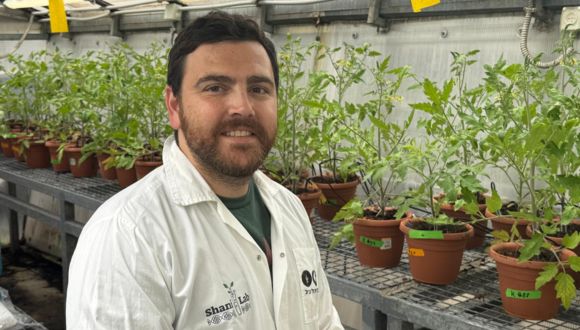
Researchers from the School of Plant Sciences and Food Security at the Wise Faculty of Life Sciences at Tel Aviv University have developed a genetic editing method tailored to crop plants, which has influenced various traits in tomato plants, including the taste and shape of the fruit. The researchers believe this innovative technology can be applied to various crop species and may eventually be used to cultivate new and improved plant varieties. “We demonstrated that with our technology, it is possible to select specific traits and influence them, a capability that is essential for advancing agriculture and achieving food security,” the researchers stated.
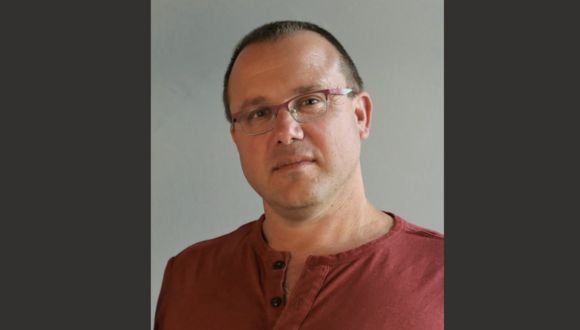
The study was led by Prof. Eilon Shani, Prof. Itay Mayrose and PhD student Amichai Berman (School of Plant Sciences and Food Security at Tel Aviv University) together with PhD student Ning Su and Dr. Yuqin Zhang (University of Chinese Academy of Sciences in Beijing), and Dr. Osnat Yanai from the Israeli Agri-Tech company NetaGenomiX. The article was published in the prestigious journal Nature Communications.
Prof. Shani explains: “Researchers around the world are engaged in advancing agriculture in order to address accelerated global changes and feed the global population in the coming decades. Among other things, genetic editing technologies are being advanced to develop new plant varieties with desirable traits such as resistance to drought, heat, and disease, improved flavor, optimized nutrient usage, and more. One such method is CRISPR-Cas9, which has revolutionized the field of genetic editing by enabling the precise modification of specific genes in the genome.
However, in the realm of agricultural development, this method has encountered several fundamental challenges: Firstly, while CRISPR technology allows for targeted gene editing, until now, this capability was limited in scale – the number of genes that could be edited and studied was very small. In the current study, we significantly improved the method’s efficiency, enabling us to examine the roles of thousands of genes. Secondly, many plants exhibit ‘genetic redundancy’: different genes from the same family, composed of similar amino acid sequences, compensate for one another and preserve the trait even if one gene is deactivated or edited”.
PhD student Amichai Berman.
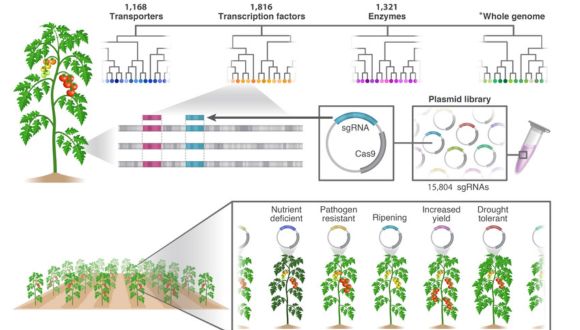
Amichai Berman: “To overcome genetic redundancy, we aimed to alter entire families of similar genes simultaneously. In a previous study, we developed a breakthrough solution to overcome the issue of genetic redundancy, a dedicated algorithm, and fed it a list of thousands of genes we wanted to edit. The algorithm identified a suitable CRISPR unit for each gene (or gene group) on the list that would induce the desired modification, thereby constructing CRISPR libraries. The first study achieved good results in the model plant Arabidopsis thaliana, and this time we sought to test the method in a crop plant for the first time. We chose the tomato.”
In the current study, the researchers built 10 libraries comprising approximately 15,000 unique CRISPR units targeting the tomato genome – each unit designed to affect a specific gene group from the same family. They then used the CRISPR units to induce mutations in around 1,300 tomato plants, each plant with an alteration in a different gene group. The researchers then tracked the development of each plant to examine whether the selected changes appeared in fruit size, shape, taste, nutrient utilization, or pest resistance. Indeed, the researchers identified several lines with sweetness levels either lower or higher than the control plants.
Prof. Shani concludes: “In this study, using our innovative method, we successfully made targeted genetic changes to gene families in the tomato plant, and identified precisely which genetic edits produced the desired result.” The Israeli Agri-Tech company NetaGenomiX has received a license to commercialize the new technology, with the goal of advancing food security by developing non-GMO crops adapted to the changing climate, providing benefits for both farmers and consumers.
Amichai Berman adds: “We believe our research opens the door to breeding improved varieties for a wide range of crops and also advances the field of plant science as a whole. In follow-up studies, we are working on developing additional selected traits in tomatoes and in rice.”
Large-Scale Functional Genomics in Tomato Using a High-Throughput Multi-targeted CRISPR Screening Approach. The tomato plant genome is divided into gene families. For each group of similar genes, a unique CRISPR unit is designed to alter their function (in total, over 15,000 CRISPR units were designed). These CRISPR units are delivered into tomato plants, which are then monitored for growth and development. In the final stage, plants exhibiting changes in selected traits are identified and genetically and physiologically characterized. This new approach enables the large-scale targeting of genetic redundancy within gene families, on the scale of hundreds of genes.
Did prehistoric humans know that smoking meat could preserve it and extend its shelf life? Researchers from the Alkow Department of Archaeology and Ancient Near Eastern Cultures at Tel Aviv University believe they did. Their new study presents a fresh perspective on a question that has long preoccupied prehistory scholars: What prompted early humans to begin using fire? According to the researchers, early humans, who primarily consumed large game, required fire not for cooking, but to smoke and dry meat so that it would not rot, thereby preserving it for extended periods and keeping it safe from predators and scavengers.
Why Did Early Humans First Use Fire?
This insight fits into a broader unifying theory, developed by the same researchers, which explains many prehistoric phenomena based on human dependence on calories derived from large animals, alongside a continuous decline in the size of animals hunted throughout prehistoric periods. The study was conducted by Dr. Miki Ben-Dor and Prof. Ran Barkai of the Alkow Department of Archaeology and Ancient Near Eastern Cultures at Tel Aviv University and was published in the journal Frontiers in Nutrition.
Prof. Barkai explains: “The origins of fire use is a ‘burning’ topic among prehistory researchers around the world. It is generally agreed that by 400,000 years ago, fire use was common in domestic contexts—most likely for roasting meat, and perhaps also for lighting and heating. However there is controversy regarding the preceding million years, and various hypotheses have been put forward to explain why early humans began using fire. In this study, we sought to explore a new perspective on the issue”.
Dr. Ben-Dor adds: “For early humans, fire use was not a given, and at most archaeological sites dated earlier than 400,000 years ago, there is no evidence of the use of fire. Nevertheless, at several early sites, there are clear signs that fire was used, but without burnt bones or evidence of meat roasting. We understand that early humans at that time—mostly Homo erectus—did not use fire regularly, but only occasionally, in specific places and for special purposes. The process of gathering fuel, igniting a fire, and maintaining it over time required significant effort, and they needed a compelling, energy-efficient motive to do so. We have proposed a new hypothesis regarding that motive”.
Fire as a Shield Against Predators and Decay
The researchers reviewed the existing literature on all known prehistoric sites dated between 1.8 million and 800,000 years ago where evidence of fire use was found. There are nine such sites worldwide, including Gesher Benot Ya’aqov and Evron Quarry in Israel, six sites in Africa, and one site in Spain. Additionally, they relied on ethnographic studies of contemporary hunter-gatherer societies, aligning their behavior with the conditions that prevailed in ancient environments.
Dr. Ben-Dor: “We examined what the nine ancient sites had in common, and found that all contained large quantities of bones from large animals—mostly elephants, but also hippopotamuses, rhinoceroses, and others. From previous studies, we know that these animals were extremely important to early human diets and provided most of the necessary calories. The meat and fat of a single elephant, for example, contain millions of calories, enough to feed a group of 20–30 people for a month or more. A hunted elephant or hippopotamus was thus a real treasure—a kind of meat and fat ‘bank’ that needed to be protected and preserved for many days since it was coveted not only by predators but also by bacteria”.
An analysis of the findings and calculations of the significant energetic advantage of preserving meat and fat led the researchers to a new conclusion, never before proposed: fire served two vital purposes for early humans—first, to guard the large game from other predators and scavengers seeking to seize the ‘treasure’, and second, to preserve the meat through smoking and drying, preventing spoilage and making it edible for a long period.
Prof. Barkai concludes: “In this study, we propose a new understanding of the factors that motivated early humans to begin using fire: the need to safeguard large hunted animals from other predators, and to preserve the vast quantity of meat over time. It is likely that once the fire was produced for these purposes, it was also occasionally used for cooking—at zero marginal energetic cost. Such use may explain evidence of fish roasting from around 800,000 years ago at Gesher Benot Ya’aqov. The approach we propose fits well into a global theory we have been developing in recent years, which explains major prehistoric phenomena as adaptations to the hunting and consumption of large animals, followed by their gradual disappearance and the resulting need to derive adequate energy from exploiting smaller animals”.
“We Stand Strong and Keep Our Sights on a Better Future”
May 27, 2025
Message from Prof Milette Shamir, Vice President International, Tel Aviv University
“In these turbulent months, I’ve been deeply moved by the extraordinary acts of humanity and expressions of hope that continue to emerge. Since October 7, my colleagues and I have witnessed countless gestures of solidarity; reminders of the resilience and generosity that sustain our community. One particularly humbling example came recently from Mindy and Jon Gray, whose monumental gift to Tel Aviv University—the largest in our history—underscores their deep belief in the power of academia to shape a better future for Israel and the world.”
Message from Prof Milette Shamir, Vice President International, Tel Aviv University
“Since the ceasefire with Hamas began in January, Israel—including Tel Aviv University (TAU)—has been navigating a period of cautious hope. The return of hostages occasioned a collective feeling of joy and relief, even as unfolding tragedies evoked a deep, shared mourning. While we don’t exactly know what the next months will bring, we remain committed as ever to doing what universities do best. And we remain heartened by the increase in flights and visitors we’ve had—there is nothing more we want than to continue collaborating and researching and connecting with you, as we keep our eye on a better world.”
“Know that we are always committed to working with you and will do our best to roll out the red carpet should you choose to visit. There is still so much for us to do, to discuss and to build—together. May these coming months bring us ample opportunities to do so, and may we continue to see the hope and the light through the clouds.”
Today, a ceasefire with Hamas came into effect. This follows a ceasefire with Hezbollah, which came into effect on November 27, 2024.
November 28, 2024
Message from Prof Milette Shamir, Vice President International, Tel Aviv University
“Academic creativity, innovation, and collaboration offer the world its best chance for a better future. In times when our societies may fail to recognize this, we must make the case ourselves—boldly, together, and with an unwavering commitment to our shared values.”
We want to assure you that The Lowy International School remains safe at this time and all necessary precautions have been taken to prioritize the continued safety and wellbeing of our team and community.
A Message from VERA Association of University Heads, Israel
The Association of University Heads, Israel (VERA) announces that Israel’s research universities will join the nationwide strike, calling for the promotion of a deal to secure the release of the hostages. The university leaders reiterate their call for the Israeli government to prioritize the release of the hostages as the nation’s top priority.
August 1, 2024
Message from Prof Milette Shamir, Vice President International, Tel Aviv University
“With August here, we are finally bringing our academic year to a close at Tel Aviv University (TAU). The original schedule looked quite different; then October 7 happened, followed by a war, and the school year was postponed. We adapted to the best of our ability, and we continue to adapt, focusing primarily on making sure no one in our academic community is left behind and that our students, staff, and faculty are all cared for. We continue to focus on safety and actively monitor the situation in Israel.”
Since its founding in 1956, TAU has been dedicated to advancing excellent research and world-class education. Evolving amidst a history of violent regional conflicts, as well as within a society marked by ethnic and religious tensions and political polarization, the university has remained steadfast in its commitment to fostering peace and to safeguarding democracy and human rights. We work actively on integrating the diverse sectors of Israeli society and extending the promise of higher education to minority students, including Palestinians. Renowned for its pluralism, our campus is a place where contentious issues are rigorously examined based on reason and facts, and where faculty members are empowered to explore ideas that challenge the prevailing consensus in Israel.
Following the episode with Iran, TAU and The Lowy International School are operating in accordance with Israel’s Home Front Command and other government agencies. The recently placed restrictions on gathering and educational activities have now been lifted. Our focus continues to be on prioritizing the safety and well-being of our international community, with whom we are in direct contact.
For more information on safe areas on campus and in the dormitories, as well as other safety guidelines, please see our Safety, Health and Security page.
We will continue to update you on any changes.
Lowy’s international programs are running as scheduled.
At the same time, classes in programs following the Israeli academic calendar began on December 31, 2023. All the universities have decided to push back the start of the academic year because many Israeli students and faculty have been called up for reserve duty in these challenging times of war.
Semester dates and exam periods for programs following the Israeli academic calendar have been adjusted accordingly:
First Semester (11 weeks of studies): December 31, 2023, to March 15, 2024.
First Semester Exam Period (7 weeks): March 17, 2024, to May 17, 2024.
Second Semester (11 weeks): May 19, 2024, to August 5, 2024.
Second Semester Exam Period / Summer Semester: August 6, 2024, and onwards.
Opening of Academic Year 2024-2025: November 3, 2024.
Program managers will most certainly keep all the students updated about the semester and exam dates.
February 21, 2024
New TAU Initiative to Help Student Reservists
TAU introduces a new admissions pathway supporting reservists, evacuated citizens and families of fallen soldiers
Tel Aviv University announced that for the next school year, many hundreds of students who serve in the IDF reserves will be eligible for admission to study for a bachelor’s degree through a new admission route that will be opened for them in all fields of study on campus (excluding medicine), without the need for a psychometric exam. The admission will be available to candidates who served 60 days or more in 2023 (starting from October 7th 2023) or those who served longer than 28 days in 2024 (from January 1, 2024).
Message from Prof Milette Shamir, Vice President International, Tel Aviv University
With the arrival of 2024, many around the world have welcomed new beginnings. At Tel Aviv University (TAU), we rang in the new year by officially starting our academic term. Of course, the start of the new term in no way diminishes the fact that today is Day 111. We are still mourning those taken from us too soon, both on October 7 and since then. And we are still advocating for the return of the more than 130 Israeli hostages who remain in Gaza; they are our parents, children, grandchildren, cousins and friends, and giving up on them is not an option.
Even as the ripples of October 7 continue to affect our daily lives, we know we need to find strength in what gives us meaning. For us in academia, so much of this comes from our research, our teaching, our learning and our community.
In this first month of TAU’s academic term, while there have certainly been hard times, I also see a renewed sense of hope. I see labs once again brimming with researchers and ideas, local students reunited and running clubs, and faculty members bumping into one another in the hallways. While there are fewer international visitors, we are certainly still welcoming delegations, including one recently from the University of Pennsylvania (you can read about it below). We are also sending our own talented students on trips abroad, including to the recent Global Young Scientists Summit in Singapore.
Of course, we are not back to normal. Most notably, we still wait anxiously to welcome many of our students from the reserves. We are optimistic that we will see more and more of them in the coming weeks, and we have an academic plan, as well as financial and psychological support, to help these students to not only transition but thrive.
Together, we stand strong and keep our sights on a better future; this first month at TAU, if anything, has been a beautiful testament to this.
Letter from the Israeli Association of University Heads Regarding Statements by American University Presidents during Congressional Hearings
“The university presidents’ failure to provide a firm stance in dealing with instances of antisemitism and anti-Israel sentiment on many campuses in the United States is alarming. Apologies and expressions of regret are not enough; what is required are clear and decisive actions. In their testimony before Congress, the university presidents mentioned measures taken or planned to protect the security and well-being of Jews and Israelis on campuses.
It is now their responsibility to ensure the effectiveness and sufficiency of these measures. The burden lies on their shoulders to demonstrate that the universities they lead not only excel in academics but also uphold universal humanistic values and defend the rights of minorities.
It is imperative that everyone understands that advocating for the destruction of a people is strictly prohibited at Harvard, MIT, Pennsylvania, and everywhere else in the world.”
In the eighth issue of the Lowy International Bulletin, Joshua Younger, a medical doctor and an assistant professor at the Zucker School of Medicine at Hofstra University in New York State, as well as a TAU alumnus, talks about the pledge of support from the alumni of TAU’s American School of Medicine. Joshua was one of the initiators of the pledge, which now has over 120 signees offering their volunteer medical services to the state of Israel.
The bulletin also includes updates on TAU events and volunteer efforts.
Message from Prof Milette Shamir, Vice President International, Tel Aviv University
It is now day 41 of the Israel-Hamas war. There is a prevailing feeling among us at Tel Aviv University (TAU) that, by continuing our work and doing it well, we are in our own way standing up to terror. This strength, this resilience, is seen across the University.
I have heard countless stories of researchers doing everything they can to keep their labs running, amid coworkers who are either abroad, tending to their families, volunteering, or in the reserves. We continue to apply for grants and funding, and we very much appreciate the extensions that have been granted, like from Horizon Europe.
We continue to celebrate new research findings and new academic books by our colleagues.
We recognize, too, that we are indeed not alone in this. We have received offers from colleagues abroad who volunteered to teach in place of faculty members who are serving in the reserves. Some of our international partners offered to increase funding for collaborative research programs and joint projects.
At TAU, across our faculties and departments, we are sowing the seeds for a brighter future. Our focus extends beyond mere survival. This moment is about fostering recovery and growth and emerging stronger than before.
University President Calls for Immediate Release of Hostages
University President Ariel Porat has called for an immediate release of hostages from Gaza:
“Irrespective of one’s opinion about the Israeli-Palestinian conflict, the world cannot remain silent in the face of pure evil. This is not, by any means, ‘legitimate resistance.’ This is a clear crime against humanity and one that we must condemn and fight.
We ask that you don’t stay silent. Demand their immediate release.
Speak for the hostages, since they are deprived of the right to speak to the world. Be their voice. Now.”
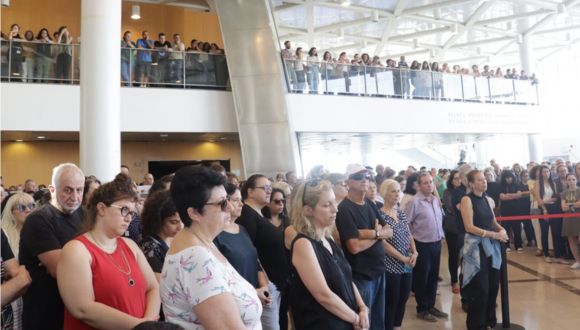
Tel Aviv University’s community commemorated 30 days since the brutal attacks on Israeli citizens on Oct. 7th. Over 50 TAU families were directly affected by the attacks.
“We’ve been raised on the values of sanctity of life. What we learned is that there are things more horrendous than murder,” said President Porat at the ceremony.
Also, on November 7, International students participated in a first-aid training session in English led by Magen David Adom instructors on TAU campus.
November 2, 2023
Message from Prof Milette Shamir, Vice President International, Tel Aviv University:
“Currently, more than 15% of our student population is Arab-Israeli; we have made it a priority to ensure these students feel safe coming to the University. We instated a zero-tolerance policy toward incitement and hate speech on our campus, regardless of whether these are directed at Jews or Arabs.
As with all of our students, we have been offering our Arab-Israeli students a variety of mental health and academic supports, paying particular attention to their unique circumstances. Led by Prof. Neta Ziv, Vice President for Equity, Diversity and Community, TAU has been holding regular group and individual meetings with minority students to better understand and address their concerns.
In these challenging times, we must do all we can to support all members of our academic community, especially those who may be feeling vulnerable. We are facing manifold difficulties and tragedies; however, those with agency have a responsibility to fight hate. By embracing diversity and actively addressing its challenges, we will emerge a stronger, more supportive community when peace is finally restored.”
The Lowy International Student Task Force has released an open letter calling on students worldwide to unequivocally condemn terrorism
October 31, 2023
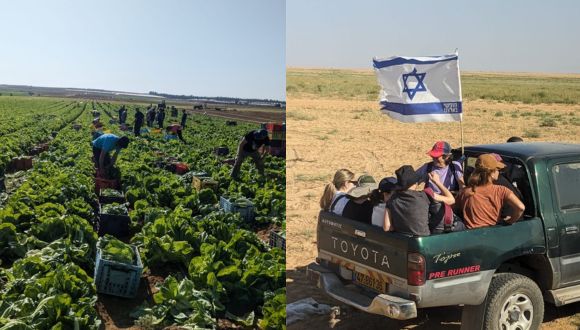
Members of the Lowy International School community have joined the Israeli-wide volunteer effort to help farmers in the south. Read the full story here
Video of the UNITED AGAINST TERRORISM exhibit at the Smolarz auditorium
October 22, 2023
We wish to maintain communication with our international students during these challenging times.
This form is designed by the Student Life team to gather information about your current circumstances allowing us to offer support, guidance and student life activities.
International students are kindly asked to provide the information as of October 22.
For those students who decide to travel home for the time being, kindly inform us via email madrichimosp@mail.tau.ac.il
In the face of terror, one of the most important things we can do is continue with a semblance of normalcy; by continuing on with what we set out to do, we are sending the message to Hamas that we are strong and will prevail. Here, at Tel Aviv University, we are committed to providing students with an excellent education.
With that in mind, and after careful deliberation, we made the decision to begin the term for the majority of international degree programs on October 22. Studies will begin in a hybrid format so that students can study remotely. Hebrew programs are now scheduled to begin on November 5.
The later date for the wider TAU community is because many Israeli TAU students are currently in the army reserves (milium).
We would not be beginning the term if we felt it was unsafe. We want to highlight, moreover, that all of our international programs will be extra sensitive to student needs at this time, and we suggest students contact program coordinators about any concerns.
October 19, 2023
Student Initiatives at Lowy International
Our international students at TAU have set up a new task force aimed at countering disinformation and antisemitism, and are now meeting daily on Zoom to strategize how they can share the story of what they’re encountering on-the-ground in Israel.
You can learn more about the task force’s story here. Are you on campus and want to join? Contact the Student Life Team at 052-5346188.
On campus, international students are joining the university-wide aid efforts, offering their dorm apartments to families from the south of the country and organizing charity drives to collect food and donations for civilians in need.
Read more about the international student involvement in charity work here.
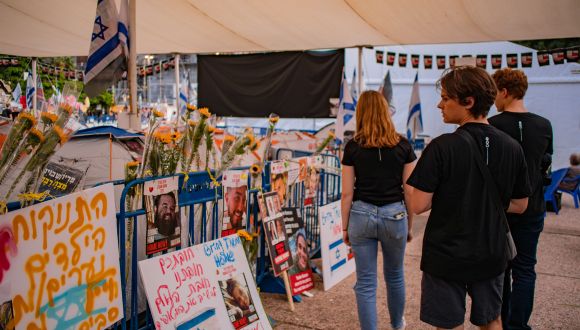
Meanwhile, Smolarz Hall at Tel Aviv University is hosting a poignant exhibition featuring over a thousand photos of missing people, abductees, and victims of the Iron Swords war. The Tel Aviv University Student Union is proud to collaborate on this project alongside esteemed universities like Harvard, Yale, MIT, NYU, Michigan University, Columbia University, and more. Our deepest wish is that every chair in this hall were filled by the people in these pictures.
The exhibition UNITED AGAINST TERRORISM will be open for the whole of next week.
Tel Aviv University has currently postponed the academic term’s start date to November 5th. For all our international programs, each program head has tailored its start date to meet our students’ needs, and have informed all students about their specific starting dates. In addition, hybrid options are offered to prioritize safety and provide a flexible learning environment.
For study abroad programs, the start date is October 16.
Most international degree programs will commence the week of October 22, 2023. However, some will start on November 5, aligning with the rest of TAU’s programs.
For further updates, please reach out to your program coordinators.
Read the message from the University President Ariel Porat here
Please feel free to opt-in to the Lowy International School Bulletin with regular updates regarding safety, wellbeing sessions, protocol and scheduling here.
Your solidarity means so much to us, and we value your friendship and continued commitment. Thank you again for the many kind words and patience during this time.
Read the full statement by Professor Milette Shamir, Vice President International of Tel Aviv University, here
Emotional Support Hotline Available to University Community
Dear Students,
In these trying times, our hearts go out to the residents of the southern regions of Israel, the IDF soldiers, and the emergency response teams.
In light of the current situation in Israel, we regret to inform you that the start of the academic year will be postponed to October 22 instead of October 15 as originally planned.
The orientation week originally planned for this week has been canceled. We will follow the events and if possible we will have limited activities in the future.
We would like to assure you that your safety and academic success are a top priority for TAU and for the Lowy International school. We are here to support you as you begin your journey with us. Even though your school year has not yet started, we consider you a part of the Tel Aviv University community. We have established a hotline run by the campus psychological services, available in Hebrew and English.
If you would like to access these services, please download and complete this form and email it to clinic@tauex.tau.ac.il prior to the initial intake. Alternatively, you can leave a short WhatsApp message with your name and number at this WhatsApp number +972-50-2787037, a psychotherapist will contact you as soon as possible.
Should anyone in our international student community need further guidance, please email: hstlife@tauex.tau.ac.il or call our 24/7 mobile number 052-5346188.
We are thinking of all of you and ask you to be careful to follow the instructions of the Home Front Command, and above all to take care of yourselves and your loved ones.
We hope for calmer times ahead and for all of us to resume our daily routines, including studying, conducting research, and meeting one another.
Sincerely,
Tel Aviv University
October 7, 2023
Sirens have gone off in Tel Aviv, along with other locations in Israel, alerting us to an incoming missile attack. These sirens are part of the “Iron Dome” system which alerts and protects us in Israel at any given time.
All international students have been given instructions on how to proceed. We are actively monitoring the situation and will continue to be in contact with our international community.
Should anyone in our international student community have a question, our 24/7 on call Student Life Team can be reached at 052-5346188.
We encourage you to check this site for additional updates.
TAU Fox Fellow bridges Israeli and American academic worlds at Yale
Meet Attay Kremer, a PhD student in the Department of Philosophy at Tel Aviv University, currently pursuing research into German philosophy—with a focus on Kant—at Yale as a Fox International Fellow. Throughout this academic year, he is taking part in events across the Ivy League campus and joining Fox Fellowship seminars to exchange ideas and experiences with Fellows from around the world.
About the Fox Fellowship
The Fox International Fellowship is a prestigious exchange program between Yale University and 20 partner institutions worldwide, including Tel Aviv University. The program seeks excellent PhD students who are passionate about connecting with renowned faculty and making a global impact for a better world through scholarly exchanges and collaboration.
The fellowship serves as an academic bond between nations through global-civic discourse, cultivating spaces and conversations for future leaders on a wide-reaching, cross-cultural scale.
At Tel Aviv University, Kremer has been selected for the Fox International Fellowship on the strength of his research proposal and personal leadership qualities.
Yale Experiences
During his time at Yale, Kremer has immersed himself in the philosophy department, attending various colloquia that involve discussion sessions and lectures.
“Part of the benefit of being at Yale is that a lot of speakers come around—that opens you up to new directions.”
He has also been part of a German philosophy reading group that meets weekly. “We’ve been reading Nietzsche,” Kremer shares. “It’s quite a good exercise. It’s also reading it in German, which is nice. Tends to happen less so in Israel than does here.”
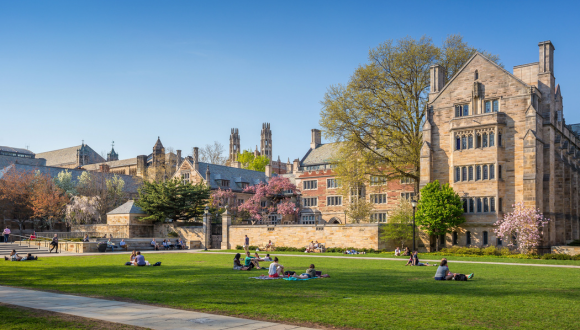
Yale campus (photo credit: f11photo on istock)
The fellowship has allowed Kremer to connect with other scholars working on German philosophy and to take advantage of extensive library resources at Yale. He also appreciates the welcoming atmosphere at the department and the university as a whole:
“I get the sense that most of the PhD students are very close knit and they are quite good at welcoming newcomers”
Kremer feels that being at Yale has helped him clarify the audience of his research. “I think it’s quite helpful in adjusting how you position things and how you frame them to know who it is that you’re speaking to, and what this audience looks like and speaks like outside of the publications.”
Overall, Kremer has been able to make great strides while in New Haven. “It’s a very small place with little going on. You can really focus on your research,” he notes. He has been able to attend several conferences and publish some papers.
“I’m nearing the end of my PhD. So it was a very productive decision to come to Yale.”
Studying Philosophy, American Style
One fascinating aspect of Kremer’s experience has been noticing the differences between American and Israeli academic approaches to philosophy: “In the American style, there is a big focus on technical precision, it’s noticeable.”
He elaborates with an example: “When we were reading Nietzsche, one of the people in the group was reading it with a scan of Nietzsche’s original draft in his handwriting. And every now and then he would make a comment about where the new edition of the German that we were reading deviates from the original, where Nietzsche kind of strikes out a word where he maybe chose a different word and then regretted that.”
Highlights and Challenges
A highlight for Attay was presenting at a conference organized by Yale scholars. The experience helped him bond with the community and better understand how they communicate: “When you speak and have to manage the Q&A, it clues you into how that community works.”
When asked about challenges, Attay primarily mentions the inherent difficulties of living abroad: “Unless you’re traveling with your family, you’re going to be 10 months in a foreign country by yourself, and there’s some loneliness involved in that.”
Regarding concerns some might have about being an Israeli scholar on American campuses, Attay notes: “I can say quite safely that at Yale, this is not a real issue.”
“People have been fairly open with me about their political views. And they can be from anywhere on the political spectrum, but it’s not led into personal lines at all.”
Feeling Supported
Yale provides robust support for international students like Attay. The Fox Fellowship offers housing, placing him in an apartment with two other fellows. “The program itself is quite helpful: if we need something around the house that we don’t know how to get, we can contact them and they help us,” he explains.
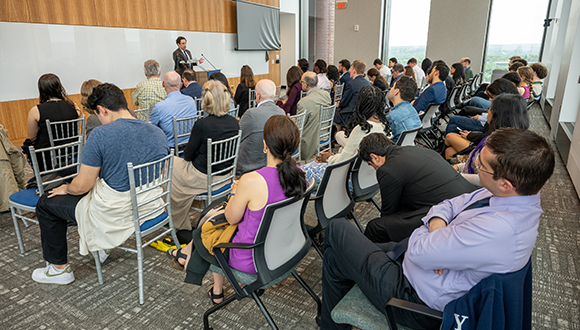
A meeting of Fox Fellows at Yale
There’s also institutional support through the Office of International Students and Scholars, which is a body of Yale that manages issues to do with international researchers. “A lot of the people here are not Americans, and the university makes a lot of effort to help you be part of something,” says Kremer.
“Yale is very well equipped to welcome international people and more specifically, there’s a very strong Jewish community.”
Advice for Future Applicants
For potential Fox Fellowship applicants, especially those from humanities backgrounds, Attay suggests preparing to balance two different academic personalities.
First, be ready to translate your work for a more social science-oriented audience of Fox fellows: “In the humanities, different things interest you than in the social sciences—there’s a different granularity to the way you talk. Social scientists tend to be more concrete about things, and much less conceptual, much more real world.”
His key advice: “Prepare to translate yourself a little” and focus on making your ideas more accessible to scholars from different disciplines.
“Presenting at the Fox Fellowship seminar is a good opportunity for working on concretizing your ideas.”
Second, engage fully with Yale’s rich humanities environment: “There’s lots to see, lots to hear, and there is a great opportunity to take books from the library.” He also encourages everyone to attend events happening on campus.
“It’s a very rich academic environment, and the humanities are very strong at Yale.”
The Fox International Fellowship is open to Tel Aviv University’s PhD students from the following fields: