TAU Honors Ten Visionaries with Honorary Doctorates and Fellowships

Honorees include scientists, journalists, industry leaders, philanthropists, a social activist, and Israel’s national orchestra – recognized for their exceptional contributions to science, culture, society, and peace.

 
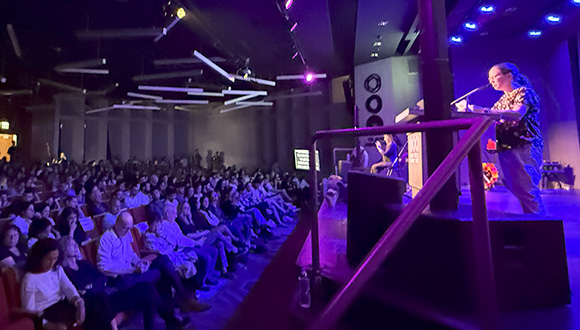
At a moving and festive ceremony, Tel Aviv University awarded honorary doctorates and fellowships to ten extraordinary individuals and organizations in recognition of their outstanding contributions to science, culture, the economy, society, and peace.

The recipients include renowned scientists, journalists, industry leaders, philanthropists, social activists, and Israel’s national orchestra — all honored for their impactful work and embodiment of TAU’s core values: innovation, academic excellence, and public engagement.

Dan Holzmann – Entrepreneur, Investor, and Philanthropist
TAU awarded an honorary doctorate to Dan Holzmann for his pioneering achievements over more than three decades as a businessman, entrepreneur, investor, and philanthropist. Holzmann has launched successful ventures across sectors ranging from real estate and sports management to AI-powered cosmetics. Through the Holzmann Foundation, he has supported over 50 educational and social organizations worldwide. He is also recognized for his commitment to empowering the next generation of Israeli entrepreneurs — particularly TAU students — through initiatives like the “Launchpad Dan” program on campus.

Dr. Yael Admi – Peace Activist and Software Engineer
Dr. Yael Admi, a leading voice in cross-cultural dialogue in Israel, received an honorary doctorate in recognition of her remarkable efforts to promote reconciliation and civic courage. She is a co-founder of “Women Wage Peace,” Israel’s largest grassroots peace movement, and a former chair of the Israeli-Palestinian Bereaved Families Forum. With a background in software engineering and AI, Dr. Admi has combined technological expertise with decades-long peace activism to build trust and foster a more equal and responsible society.

Gideon Hamburger – President of Harel Insurance and Advocate for Higher Education
TAU honored Gideon Hamburger for his long-standing contributions to Israel’s insurance industry and for his philanthropic leadership in academia and culture. Together with his brother Yair, he established the Harel Center for Capital Market Research and the Harel Institute for Actuarial Innovation at TAU’s Coller School of Management. Beyond his business achievements, Hamburger holds prominent roles in major Israeli cultural institutions, including the Israeli Opera, the Tel Aviv Museum of Art, Variety Israel, and the Weizmann Institute of Science.

Israel Philharmonic Orchestra – Cultural Icon and Academic Partner
The Israel Philharmonic Orchestra was awarded an Honorary Fellowship for its immense contribution to Israeli and global culture over nearly 90 years. Founded in 1936 to provide refuge for Jewish musicians fleeing Europe, the IPO has performed with world-class conductors and soloists ever since. The orchestra is a key partner in TAU’s Buchmann-Mehta School of Music, where it plays a vital role in training the next generation of musicians. Maestro Lahav Shani, the IPO’s current Music Director, is a graduate of the school.

Prof. Miranda A. Schreurs – Global Environmental Policy Leader
A distinguished scholar in environmental policy and sustainability, Prof. Miranda Schreurs of the Technical University of Munich received an honorary doctorate for her research and public service. Known for her cross-continental efforts to promote climate action, Prof. Schreurs serves in influential advisory roles across Europe. TAU recognized her for advancing global academic discourse at the intersection of science, policy, and environmental justice — and for her ongoing collaborations with institutions worldwide, including TAU.

Yair Hamburger – Chairman, Business Leader, and Philanthropist
Yair Hamburger, Chairman of Harel Insurance and Finance Group, was honored for his leadership in Israel’s financial sector and for his social impact through broad philanthropic engagement. His initiatives in education, the arts, and public health reflect a lifelong commitment to improving Israeli society. At TAU, he has played a key role in establishing research centers that shape the future of economics and actuarial science. His honorary doctorate recognizes over 50 years of visionary leadership and civic dedication.

Danna Azrieli – Chairwoman of the Azrieli Group and Azrieli Foundation
Businesswoman, real estate developer, and philanthropist Danna Azrieli was honored for her visionary leadership of Israel’s largest real estate group and her extensive philanthropic activity in education, health, and Jewish identity. Under her leadership, the Azrieli Group expanded into senior housing and data centers internationally. The honorary doctorate also acknowledges her long-standing support of TAU’s Azrieli School of Architecture and her role in cultivating Israel’s next generation of architects and builders.

Thomas L. Friedman – Award-Winning Journalist and Commentator
Thomas Friedman, one of the world’s most influential journalists, received an honorary doctorate for his exceptional role in shaping public discourse on the Middle East, globalization, and foreign policy. A longtime New York Times columnist and three-time Pulitzer Prize winner, Friedman has helped global audiences better understand Israel’s regional dynamics. TAU recognized him for his enduring friendship with Israel and his meaningful connection to Tel Aviv University, where his sister once studied — a trip that first sparked his lifelong interest in the region.

Prof. Stephen (Steve) Quake – Pioneering Bioengineer and Innovator
Prof. Steve Quake of Stanford University was honored for transforming modern biology and medicine through groundbreaking technologies — including rapid DNA sequencing and the first non-invasive prenatal test for Down syndrome. He currently serves as Head of Science at the Chan Zuckerberg Initiative and co-leads the Biohub, a cutting-edge biomedical research center. TAU recognized his revolutionary scientific work, his mentorship of young researchers, and his active collaboration with Israeli scientists.

Jonathan R. Goodman – Pharmaceutical Entrepreneur and Philanthropist
Jonathan Goodman was awarded an honorary doctorate for his outstanding contributions to the pharmaceutical industry and his deep commitment to social impact. Founder and former CEO of Paladin Labs and current Executive Chair of Knight Therapeutics, Goodman has also led major philanthropic initiatives in climate, education, cancer research, and Jewish communities worldwide. His support of TAU and his dedication to Israel’s development reflect a powerful blend of entrepreneurial drive and civic responsibility.

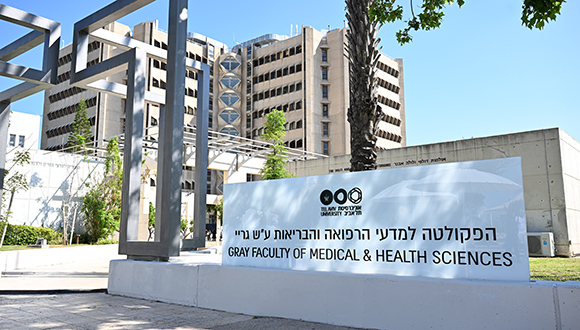
Tel Aviv University’s Gray Faculty of Medical & Health Sciences Poised for Global Impact After Record Gift

$125 million donation will help advance research possibilities, collaboration, international studies and more

When Mindy and Jon Gray donated $125 million to Tel Aviv University (TAU) in May 2025, it was a defining moment—not only for the institution but for Israel’s place in global biomedical science. Now renamed TAU’s Gray Faculty of Medical & Health Sciences, Israel’s largest medical faculty is poised for transformation, fueled by what Vice Dean Prof. Rina Arbesfeld calls a huge step forward in talent recruitment, infrastructure and international reach.

“We want the best scientists to come to Tel Aviv,” said Arbesfeld, who oversees non-clinical research programs across the faculty’s multiple schools, such as in public health, dentistry and medicine.

“What makes the difference is where they can do the best science—where they’ll have the infrastructure, the collaborators, the support. This gift helps us offer all of that.”—Prof. Rina Arbesfeld

A Leader in Translational Medicine

What sets TAU’s medical and health sciences faculty apart, she noted, is its extraordinary integration with Israel’s healthcare system. “We’re affiliated with 18 hospitals, many of them the most advanced in the country,” she said. This model—anchored in translational medicine—has already yielded collaborations in many areas, for instance like in gastroenterology and genetics. 

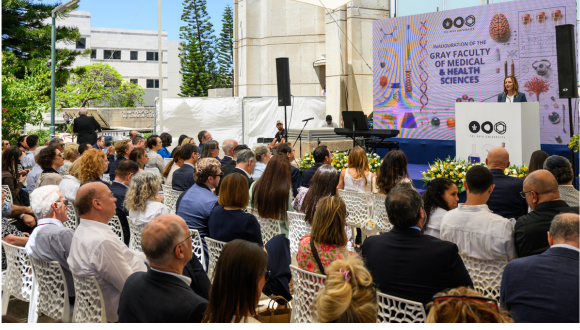
Medical Dean Prof. Karen Avraham speaking at the inauguration ceremony (Photo credit: Yuval Yosef)

A recent example from Arbesfeld’s own lab moved from experimental design to clinical application and back again for joint analysis.

“We do our best to know what is missing and what a patient needs and to find solutions.”

“That’s what makes our faculty unique … working directly with the hospitals … and it’s what the Gray Foundation is helping to amplify,” said Prof Arbesfeld.

With the creation of a new interdisciplinary Biomed Building, researchers from TAU, its affiliated hospitals and beyond will share advanced equipment and lab space designed to encourage precisely the kind of interdisciplinary, translational work that can set international standards. “We want the building to serve the entire biomed community,” said Arbesfeld.

Additionally, funding will be earmarked to support other key strengths of the faculty, for instance as related to cancer research, BRCA-related genetic mutations, neuroscience and ancient DNA.

Building the Infrastructure to Attract Global Talent

The Gray Foundation’s support will also boost recruitment of top biomedical researchers from around the world. “We want to create the conditions that bring the best people here,” Arbesfeld said. “That means not just funding, but facilities, housing and strong scientific communities.”

(Photo credit: Yuval Yosef)

A new 600-bed dormitory—another component of the gift—will make it easier for graduate students, especially international and underrepresented students, to live and study in Tel Aviv. That accessibility is also being reinforced in other ways.

The faculty is expanding its English-language graduate courses, strengthening administrative support for international students and aiming to develop a dedicated summer research program to attract young talent from abroad.

Scholarships for international students are also in the pipeline—part of a broader vision to grow a globally connected academic community while deepening inclusion at home.

“We want a faculty that reflects the diversity of Israeli society,” said Arbesfeld. “Jewish, Arab, Christian, Muslim, Israeli and international—working together. This is who we are.”


Want to learn more about the Gray Faculty of Medical and Health Sciences? Join us at the faculty’s Prospective PhD and Postdoc week, happening August 31– September 1, 2025.

Admissions for the Biomedical PhD program at the Gray Faculty of Medical and Health Sciences are now open. 

TAU Prof Raanan Rein Honored in Buenos Aires

How a Tel Aviv historian became a voice in Latin America’s scholarly and public debates

 
On June 6, 2025, the University of Buenos Aires awards Prof. Raanan Rein an honorary doctorate: a tribute to a career that has crossed borders—disciplinary, linguistic and national—in pursuit of deeper, more inclusive understandings of history.

“This recognition has huge importance for me,” said Rein, a historian of 20th-century Latin America and Spain, and the Elias Sourasky Professor of Latin American and Spanish History at Tel Aviv University (TAU).

“It comes from the most important university in Argentina, one of the most important universities in Latin America. I’ve always made a point of publishing not only in English, but in Spanish, so I could be part of the academic and public intellectual conversations there.”

Few non-Argentine scholars have had as visible a presence in Argentine public discourse as Rein. Over the past three decades, he has (co)authored and edited more than 50 books and 150 articles and book chapters, publishing in Spanish, English and Hebrew. He is a member of Argentina’s National Academy of History, former president of the Latin American Jewish Studies Association, and a recipient of national honors from both the Argentine and Spanish governments.

Rein’s Scholarly Axes: Peronism, Ethnic Studies and the Jewish-Argentine Experience

Rein’s work is rooted in three major axes, all of which continue to shape scholarly and political debates in Argentina today. The first, and perhaps most visible, is his scholarship on the Peronist movement; founded by Argentine leader Juan Domingo Perón in the 1940s, the movement is a populist political tradition that blends nationalism, social welfare and strong labor support. “Any study of Peronism in the 1940s and 50s provokes interest far beyond academic circles,” said Rein, who has been interviewed on the subject widely by Argentine media.

“My position as both an insider—someone who has spent years studying it—and as an outsider, a non-Argentine, allowed me to examine Peronism without being suspected of political bias.”

In his books—such as Populism and Ethnicity: Peronism and the Jews of Argentina and Peronismo, populismo y política—and beyond, Rein has illuminated the movement’s enduring legacy, especially outside Buenos Aires, where it continues to shape the political landscape. “The Peronist movement is still very active,” he said.

“For example, anything to do with the entry of Nazi war criminals to Argentina at the end of World War II—whether the Peronist government encouraged it, whether it offered a generous reception to these Nazi war criminals—becomes a public debate issue to discuss.”

The second axis of his research has been the introduction of ethnic studies into Argentine historiography in books such as Peronism as a Big Tent: The Political Inclusion of Arab Immigrants in Argentina or Los Muchachos Peronistas Judíos. While race and indigeneity had long been discussed, Rein helped bring sustained scholarly attention to the experiences of immigrants—Jews, Arabs, Japanese—whose stories provide nuance to Argentina’s national story. “I was the first to introduce discussion of the integration of various immigrant groups into Argentine society within an ethnic framework,” he said.

“Much of my work has been devoted to the strategies of social integration, and the various stereotypes that Argentine society held about non-Catholic, non-Latin immigrants.”

His third area of focus—Jewish life in Latin America—led to his groundbreaking argument that Jewish integration in Argentina was not only rapid, but in some ways more comprehensive than in the U.S. “In the 1930s and 40s, it was easier for a Jewish immigrant to become a professor at the University of Buenos Aires than at most elite universities in the US,” he said. “It’s an incredible story of success.”

A Career in Transnational Scholarship and Community

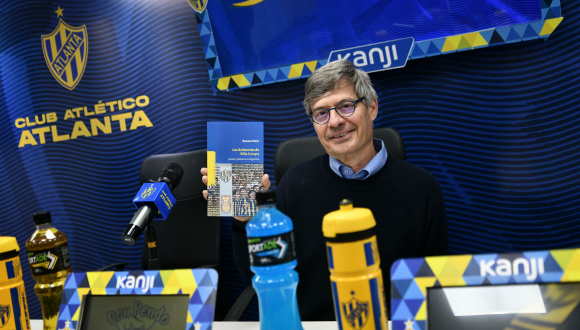
Yet Rein’s work is not only about national narratives—it’s fundamentally transnational. In his book Fútbol, Jews and the Making of Argentina, for instance, he traces the interplay between ethnic identity and mass culture, using Jewish football clubs as a lens to explore integration and community. But he also brings in comparisons from Chile, Brazil and beyond.

“There’s always been a diasporic element to my work. It’s never just about the nation.”

That commitment to international perspective has also extended into his leadership roles. From 2012 to 2020, Rein served as TAU’s first vice president for global academic engagement—the first such position at any Israeli university. “I always thought it was essential for scholars and students alike to look at different phenomena from multiple perspectives; the only way to do that is by having experiences in other places, within different intellectual climates,” he said.  Under his leadership, TAU launched joint research initiatives, workshops and exchange programs with dozens of institutions—including the University of Buenos Aires.

Raanan Rein attending the football club of Atlanta in Buenos Aires. (Source: Federico Imas)

For Rein, scholarly progress is inseparable from collaboration. “In most cases, scientific and scholarly breakthroughs are not the product of a sole researcher,” he said. “They come from collaborations, dialogue, interactions of all sorts.” His pride in this community ethos is perhaps most visible in his mentorship: dozens of his students have gone on to academic careers in Israel, Europe and the Americas. “I have one bookshelf with my own books,” he said. “And another shelf with the books published by my former students. I’m just as proud of that.”

As Rein reflects on this latest honor from Buenos Aires, he sees it not as a culmination, but as a continuation—of a career built on openness, dialogue and scholarly curiosity.

“If I helped even a few people look at certain topics in unfamiliar ways, then I’ve done something worthwhile.”

Laying the Foundation for a Global Future

Tel Aviv University celebrates the cornerstone ceremony for the new home of the Lowy International School dedicated to the memory of Shirley Lowy

 
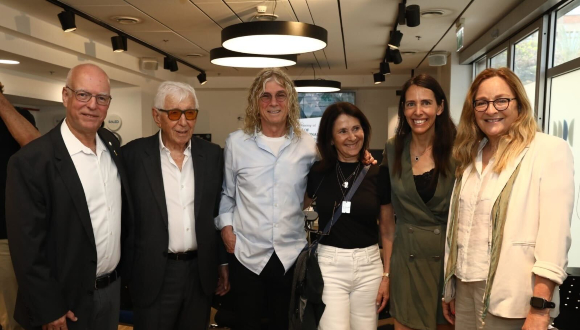
In a festive event held on May 14 on the Tel Aviv University (TAU) campus, the cornerstone was laid for the new building of the Lowy International School—marking a key step forward for the University’s global mission. The ceremony took place in the presence of Sir Frank Lowy, his family, and senior leaders of the University, who gathered to celebrate the enduring partnership between TAU and one of its most dedicated benefactors.

The new building, made possible by Lowy’s transformative $18 million donation, will serve as the permanent home of the Lowy International School. More than just a physical space, the building represents the University’s growing commitment to globalization and academic excellence.

TAU President Prof. Ariel Porat praised the visionary scale of the initiative:

“The Lowy International School is a key component of TAU’s global strategy. With Sir Frank Lowy’s support, we are not only building a state-of-the-art facility but laying the foundation for a future of greater academic diversity, dialogue, and cooperation. This will be a place of hope, where peace and togetherness will come to live.”

Prof. Milette Shamir, TAU Vice President International, highlighted the School’s expanding mission and reflected on the important milestones achieved so far: “Thanks to the large team we were able to build, and the clarity of purpose you inspired in us, Frank, we were able to move forward, rather than retreat. After October 7th, the importance of the Lowy International School became clearer than ever.”

TAU leaders and the Lowy family celebrating at the ceremony. (Photo: Yael Tzur) 

Lowy addressed the audience in Hebrew, offering a heartfelt message that underscored his deep connection to Israel. He also underlined his late wife Shriley Lowy’s commitment to education.

“I’m excited to be here in another ten months to see the memory of Shirley extended by the new building. This is just the beginning—the School will be a bridge of the world to Israel, and of Israel to the world.”—Sir Frank Lowy

Maureen Adiri, Director of the Lowy International School, expressed gratitude to the many partners who helped bring the project to life. She stressed that they gave the Lowy team “the courage to dream, even in the most difficult of times, and to build something truly meaningful.”

Offering an emotional account of her personal academic journey, Daniella Symonds, a student in the TAU-Columbia University Dual Degree BA Program, thanked Sir Frank for the opportunities the School opened to her. “The emotional and academic support I received from the Lowy International School are the greatest gifts I could have asked for,” she said. 

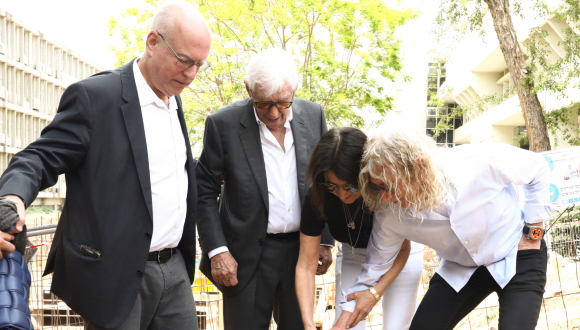
Laying the cornerstone at the Lowy building construction site. (Photo: Yael Tzur)

Designed by Potash Architects, the new two-story building will reflect the international and welcoming spirit of the Lowy School. It will feature an entrance lobby, a meeting room, offices for the School’s staff, and a charming outdoor space for events and gatherings. The design also includes sustainable elements, in line with the university’s environmental goals. Construction is expected to be completed in 2026, and once finished, the building will serve as a lively center for students and faculty from around the world.

Study without Fees at Tel Aviv University

Top Tuition-Free Degree Programs in Israel

 
Looking to pursue a master’s of science (MSc) program in Israel without the burden of tuition fees? Then consider Tel Aviv University (TAU), the #1 choice for Israeli students. At the heart of Israel’s cutting-edge innovation and high-tech industries, TAU offers several tuition-free degree programs for international students seeking a high-quality education without financial strain.

In fact, all of TAU’s research MSc programs are tuition-free for eligible international applicants. We’ve highlighted a few of these opportunities below.

New International MSc Program in Environmental Engineering

In 2023, Tel Aviv was ranked the second best cleantech ecosystem worldwide. TAU’s new Environmental Engineering MSc program, ranked the top environmental engineering program in Israel, places you at the heart of these advancements. You’ll dive into topics such as water purification, renewable energy, desalination, microplastics, nanotechnologies and air quality improvement, and collaborate with a TAU research lab of your choice.

“If you really want to be an engineer, but you really want to save earth, then environmental engineering is what you should do,”—Prof. Hadas Mamane, head of the Environmental Engineering MSc program.

The MSc Program in Environmental Engineering is a two-year MSc and the research track is fully funded. Registration for the program is now open.

TAU’s New International MSc Program in Biomedical Engineering

Biomedical engineering is one of the fastest growing fields in the world and is focused on applying engineering to advance healthcare through biological and medical solutions. TAU’s School of Biomedical Engineering is in the top 150 globally for biomedical engineering departments, and TAU’s new international MSc in Biomedical Engineering takes students to the forefront of research.

Through the program, you’ll get to dive deep into lab work in areas ranging from biomechanics and computational biology to vision and hearing.

Professor Ben Maoz in his lab

“You learn how to do the research,” says Prof. Ben Maoz, the head of the Biomedical Engineering MSc program.

“If [later] you want to tackle a different question, you already know how you build the experimental design, the different tools you will tackle … it really helps you to learn how to think scientifically.”  

The Biomedical Engineering MSc is a two-year graduate program and is fully funded. Registration for the program is now open. 

International MSc Program in Neuroscience

TAU is the #1 place to study Neuroscience in Israel, and the sixth best place in Asia. TAU’s two-year international MSc program is housed in the Sagol School of Neuroscience and brings together 150 labs focused on cutting-edge neuroscience research related to biology, psychology, engineering and other areas.

“This program allows students to choose from a very large variety of laboratories and research groups”—Dr. Sagi Jaffe-Dax, the head of the Neuroscience MSc program.

“On the other hand, you don’t have to commit yourself only to a certain field; even if you chose one laboratory you can still choose from a very large variety of courses or models that you can take from all around the campus.”

Through the program, you’ll have the opportunity to dive into the inner workings of the brain from the molecular to the cognitive level, work on developing biomedical devices, explore nervous system disorders like Parkinson’s, Alzheimer’s and autism, and work with top-notch neuroscience researchers. The Neuroscience MSc is a fully funded program, and students also get a 5,000 NIS scholarship.

Registration for 2026/27 will open in November 2025. Meanwhile, you can learn more here.

Other Tuition-Free Degree Program Opportunities at TAU

Through TAU’s Olim tracks, you’ll have access to programs that are either partially funded or tuition-free. In addition, new olim are invited to join a community-building program specifically designed to support new Olim in their academic and personal journey in Israel. Eligible students can receive a housing scholarship while becoming part of a supportive community.

Via the Olim track, the BA in Liberal Arts and Management program is partially funded and will allow you to gain a comprehensive education in both management and entrepreneurship studies, as well as in the humanities and social sciences. 

And if you are looking for a STEM degree in Israel, you can join the academic integration track of BSc in Mechanical Engineering or BSc in Electrical Engineering. Both involve a preparatory year with intensive Hebrew studies and several Maths and Physics courses in English. 

Brian Rosen, Vice Dean for International Affairs, Faculty of Engineering, talks about the new Olim track at the TAU’s Faculty of Engineering:

If you have already completed an undergraduate degree, you can apply for the partially funded MA in Teaching English to Speakers of Other Languages (TESOL) program, which will prepare you for a variety of career opportunities in the English teaching profession and enable you to obtain teaching certification in Israel.


Are you interested in pursuing a tuition-free program in Israel and at TAU? Explore our master’s and bachelor’s degrees, as well as our other educational opportunities to find the right opportunity for you.

We also encourage you to chat with one of our international students to learn more about student life at TAU.

Tel Aviv University Inaugurates the Gray Faculty of Medical & Health Sciences

The $125 million gift from the Gray Foundation is set to transform the University’s medical education and research

 
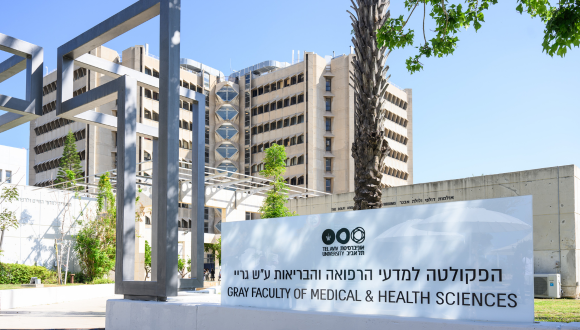
Tel Aviv University made history today with the naming of its new Gray Faculty of Medical & Health Sciences, Gray School of Medicine, and Gray School of Medical Sciences. The generous donation from the Gray Foundation – the largest ever to TAU – will significantly expand capacity at the Faculty of Medical and Health Sciences, improve access for students and elevate the quality of education, training and research.

At the festive ceremony held on campus in the presence of President of Israel Isaac Herzog and First Lady Michal Herzog, Gray Foundation co-founders Jon and Mindy Gray said: “We know that there has always been so much promise in this Promised Land, despite – or maybe because of – its greatest challenges. We could think of no better place to start planting a few seeds of promise than the amazing medical faculty here at Tel Aviv University.”

A TAU alumnus himself, together with his wife, Michal, President Herzog said to the Grays that at this “critical point in Israel’s 77-year-old history …  you chose to reach out and have our backs. What a profound statement of solidarity and optimism.”

TAU President Prof. Ariel Porat told the audience: “The Gray donation is a vote of confidence in Tel Aviv University, in Israeli academia, in Israeli science–in fact, in the State of Israel and its future.”

Also participating in the ceremony were Mrs. Dafna Meitar-Nechmad, Chairwoman of the TAU Board of Governors; Prof. Mark Shtaif, TAU Rector; Prof. Karen B. Avraham, Dean of the Gray Faculty of Medical & Health Sciences; other TAU academic leaders and TAU Governors and friends.

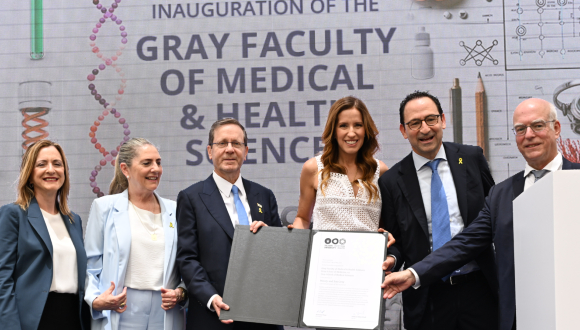
Presenting the TAU certificate of appreciation to Jon and Mindy Gray. (Photo credit: Yuval Yosef)

A quantum leap in education and research

The Grays’ transformative gift, the third largest to any Israeli academic institution, includes funding for: 

–    A new 600-bed dormitory, with preference given to underprivileged students
–    New advanced teaching and research facilities
–    Modernization of the Schools of Medicine and Dentistry
–    Scholarships for underrepresented groups 
–    Support for faculty recruitment and retention
–    BRCA research and collaboration
–    Creation of a memorial for the victims of October 7th 

Prof. Ariel Porat: “The Gray family’s generous gift will enable us to make a true ‘quantum leap’  in both medical education and research. In honor of this gift, the Faculty will be named the Gray Faculty of Medical and Health Sciences. I believe and hope this gift will inspire many others to follow their example.”

Mindy and Jon Gray: “We’ve been searching for a way to make a meaningful impact in Israel since the tragic events of October 7th. We can think of no better way to accelerate healing than by supporting an institution that touches the lives of so many. This gift will expand Tel Aviv University’s capacity to educate new healthcare professionals, including underrepresented students, and create state-of-the-art research facilities, building on our longtime support for medical research and access to higher education.”

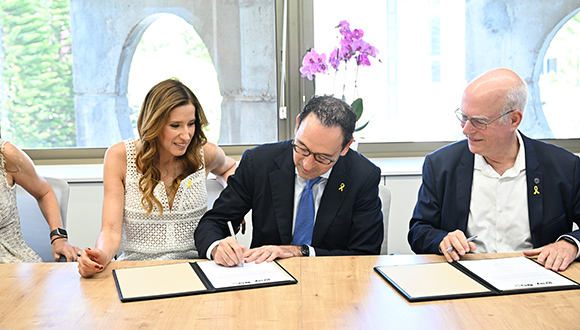
The signing ceremony. (Photo credit: Yuval Yosef)

Dean Karen Avraham: “Thanks to the remarkable support of Mindy and Jon Gray and the Gray Foundation, we will take our medical training and research complex to a new level of excellence, enabling Tel Aviv University to train future clinicians and researchers to lead Israeli healthcare and global science. We will foster the next generation of medical innovators in rapidly evolving fields – from diagnostics and personalized treatment to healthcare delivery and biomedical research.”

Addressing Israel’s acute doctor shortage

Recent reports show that the number of doctors and medical school graduates in Israel is well below the average for OECD nations. The country faces additional pressure from looming retirements, with 25% of current doctors over the age of 67 and nearly half over 55. Israel’s Ministry of Health has prioritized increasing enrollment in medical schools, with a strategic plan to reach 2,000 new incoming students per year by 2030. 

This gift allows TAU – the largest training institution for doctors in Israel – to increase the number of new medical students by approximately 25%. In addition to doctors, TAU will also aim to increase the number of students in the overall Faculty of Medical and Health Sciences by approximately 20%, training thousands of nurses, therapists, dentists, and other healthcare professionals.

TAU plays a central role in Israel’s healthcare system through its partnership with 18 hospitals and alumni working across most hospitals in the country.

Access to medical education

To dramatically improve access for students, the Grays’ gift will help create a new 600-bed dormitory and additional scholarship opportunities. This will include targeted support and recruiting efforts for underrepresented groups at TAU who have faced challenges with housing costs and access. 

Further expanding the pool of medical students, while elevating the quality of training for all in the Faculty of Medical and Health Sciences, will ultimately improve care for communities across Israel.

Boosting innovation and discoveries

This gift will enable a comprehensive renovation of existing medical and health sciences facilities, along with the creation of new world-class research laboratories. It also provides for strategic investment to attract and retain leading biomedical scientists from around the world. 

One area of focus will be TAU’s work in BRCA-related cancers, which disproportionately impact the Ashkenazi Jewish community, nearly one-third of the Israeli population. 

(photo credit: Yuval Yosef)

Gray Foundation’s support 

The Gray Foundation has a dual mission of accelerating research, awareness, and treatment for individuals and families who have inherited BRCA mutations, as well as expanding access to education, healthcare, and opportunity for low-income youth in New York City. 

In 2012, the Grays created the Basser Center at Penn Medicine’s Abramson Cancer Center, the first center in the world exclusively focused on BRCA cancers. The Foundation has also supported programs focused on careers in medicine at CUNY School of Medicine, Montefiore Einstein, Mount Sinai, Memorial Sloan Kettering, among others.

In 2024, the Foundation helped launch a holocaust education program for students at the Museum of Jewish Heritage in New York, and the Grays have been long-time supporters of UJA and other Jewish organizations.

Letter from the University President Honoring the Gray Family’s Gift to the Faculty of Medicine and Health Sciences

The Gray family has generously donated $125 million to advance and develop the Faculty.

Dear Tel Aviv University community – faculty, staff, students, Governors, and Friends of the TAU in Israel and worldwide,

Today, a special event took place at the University: the naming of the Faculty of Medical & Health Sciences, as well as of the School of Medicine and School of Medical Sciences, after the Gray family. The Gray Foundation has made a major gift of $125 million to the University for the development and advancement of the Faculty. This is the largest donation ever received by Tel Aviv University and one of the largest ever made to an academic institution in Israel.

About half a year ago, I met for the first time in New York with Jon Gray, President of Blackstone, and presented him with Tel Aviv University and its needs. It did not take long for Jon and his wife, Mindy, to visit the University, be impressed by our Faculty of Medicine & Health Sciences, and decide to support it.

The Gray family’s generous gift will enable us to make a true “quantum leap” in both medical education and research. It will allow us to increase the number of medical students, including those from minority groups in Israel; bolster the high-quality research taking place at the University in medicine and related fields; and deepen our collaborations with 18 affiliated hospitals. Since our Faculty of Medical & Health Sciences is the largest of its kind in Israel, the Gray family’s contribution will directly strengthen the national healthcare system and advance biomedical research throughout the country.

Mindy and Jon Gray’s philanthropic efforts did not begin today. Through their family foundation, they provide access to education and health services for underprivileged children in New York, thereby promoting equal opportunities. They are also active in advancing research, treatment and prevention of breast and ovarian cancer associated with genetic mutations. Mindy and Jon are not only generous individuals, they are also humble, compassionate, and captivating in their personal charm. Their love for the State of Israel and the Jewish people is what motivates their support of the University, and their aim is to help Israeli society heal in the aftermath of the October 7th tragedy.

I would like to recognize the exceptional teamwork that brought this donation to fruition. I extend thanks to Professor Karen Avraham, Dean of the Gray Faculty of Medical & Health Sciences, to the Faculty’s leadership and heads of schools, and to the faculty members and students who met with the Grays and made a great impression on them. Thanks to my deputy, Amos Elad, and to the University’s CEO, Gady Frank, and their dedicated teams. Thanks to Julie Lipsett-Singer from American Friends of Tel Aviv University; to Danny Gillerman, a TAU Governor; and to Yifat Oron, President of the Israeli Friends of TAU, for their support and guidance. A special thank-you goes to the President of Israel, Mr. Isaac Herzog, and to his wife, Mrs. Michal Herzog – both alumni of the University – for honoring us with their presence at today’s inauguration ceremony and for their unwavering support of the University and Israeli academia as a whole.

Since October 7th, we have all swung between hope and despair. Today is a day of hope. The Grays’ decision to support us with such generosity moves us deeply. I believe that their act, which expresses great confidence in Tel Aviv University, will inspire other philanthropists in Israel and around the world to support Israeli academia, recognizing it as an essential pillar of the State of Israel and a cornerstone of its continued survival and prosperity.

Today, we gained precious partners – the Gray family – we are profoundly grateful for the trust they have placed in us.

Sincerely,

Prof. Ariel Porat

President of Tel Aviv University

Sustainability Without Borders

TAU’s Sustainable Development Alumni Share Global Career Stories

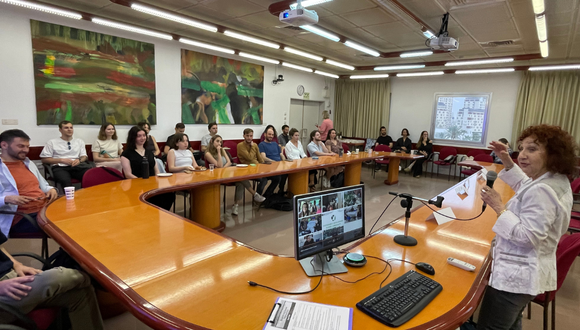
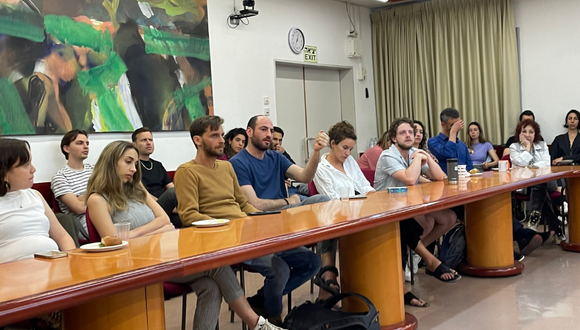
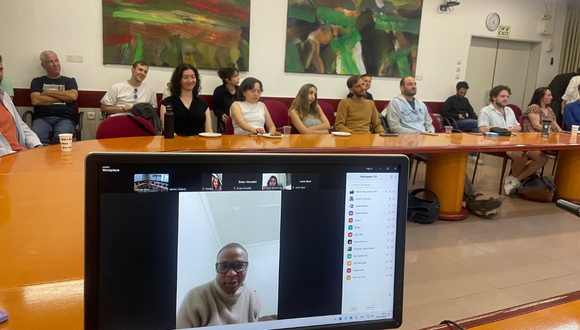
This April, graduates of the MA in Sustainable Development and Nitsan Sustainable Development Lab got together on Tel Aviv University campus for the first official alumni meet-up—with more alumni tuning in from abroad—from Kenya, South Africa, India, France, and beyond.

A Network Rooted in Action

Now in its fifth cohort, the Sustainable Development program, run by TAU’s Faculty of Social Studies, is designed to educate professionals who understand the complexities of sustainable development, technology, socio-cultural issues, and policy, and who can translate their knowledge into real-world solutions. 

The Nitsan Lab plays a key role in this, placing students in field projects across Africa and Asia, where they work closely with governments, NGOs, and grassroots organizations on clean water, agriculture, and education projects.

The first meetup of Sustainable Development MA and Nitsan Sustainable Development Lab students and alumni.

In the front row: Ana Goldstein (the Student and Academic Coordinator of the MA program), Prof. Ram Fishman, Prof. Tammie Ronen, Ayelet Fishman (Administrative Director of the International Graduate School of Social Sciences), Amit Kalisker, program alum and current PhD student, and Nicole Kuttler.

Nitsan Lab’s Project Coordinator Nicole Kuttler noted opening the event that “this alumni network is not just growing in size—it’s growing in strength.” There are currently close to 300 program and lab alumni. Many of them are thriving in diverse international locations, including India, South Africa, Kenya, Russia, Germany, the Netherlands, Brazil, Argentina. They are successfully employed across various sectors—private industry, public service, NGOs, and academia. 

Words of Wisdom from Leaders and Mentors

Welcoming the participants, Prof. Guy Mundlak, who has recently became the Head of the School of Social and Policy Studies, was full of admiration:

“Your projects are exciting. I’m a real fan of the program, and it’s amazing to see what you’ve done over the years.”

Program Head, Prof. Tammie Ronen, encouraged students and graduates to think beyond traditional boundaries: “You have to take challenges—no matter your background—and turn them into new perspectives.”

Program Head, Prof. Tammie Ronen: “If you don’t have a dream, you can’t expect a dream to come true.”

Nitsan Lab Head,  Prof. Ram Fishman spoke about the joy of seeing alumni from all eight past cohorts gathered together. “It’s very moving,” he said, before jokingly apologizing for the tough academic journey. “But you made it through—and that’s what makes you such strong problem solvers.”

From TAU to the Global Stage

Keynote speaker Ayelet Levin-Karp shared her unconventional path—from biology to public policy, to working in Ghana with Israel’s Ministry of Economy, and now leading initiatives at SID Israel (Society for International Development). 

Ayelet Levin-Karp, SID Israel

Her advice to the next generation: “Find something meaningful, always stay interested and keep growing.”

Talking about the work of the Society for International Development (SID Israel), Levin-Karp highlighted the role of Israeli soft power in the global arena and the importance of local ownership in sustainable solutions—especially in post-USAID context, citing the example of Ghana where the government stepped in to finance the development programs.

“There are a lot of opportunities in the developing countries that can benefit from Israeli tech.”—Ayelet Levin-Karp, SID

Levin’s story wasn’t unique in the room. An alumni panel showcased other powerful trajectories.

Oren Kaplun, Nitsan Lab’19, CEO of ENVA Responsible Investments, credits the Sustainable Development MA with giving him the intercultural skills to launch a startup that’s now building sustainable finance solutions.

“Know what your passion is and where you want to end up. Build your reputation in an industry that is slow at the moment—it’s going to explode.”—Oren Kaplun, Nitsan Lab’19

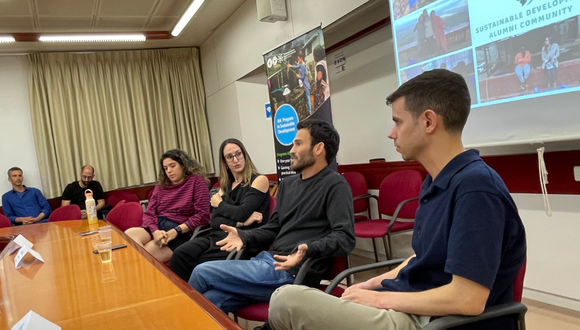
The alumni panel at the meetup (from left to right): Yuval Barda, Selda Idris, Tal Kazas, Oren Kaplun

Tal Kazaz, MA Class of 2020 and Director of Malawi Operations at Innovation Africa, leads a team delivering clean water to over 5 million people. “The MA program facilitated my entry into this new field,” he shared. 

“Know that things take time. Stay positive, always keep learning, and keep growing to stay at the cutting edge.”—Tal Kazaz, MA Class of 2020

Selda Edris (Nitsan Lab’19), Head of Water, Sanitation, and Hygiene at IsraAid, has always dreamt of working in Africa. Initially interested in mechanical engineering, she switched to sustainability for her master’s, which then led to her current position.

“Every challenge is an opportunity to look at things from a different perspective.”—Selda Edris, Nitsan Lab’19

Yuval Barda (MA Class of 2020), former General Director at Project TEN and now with Engineers Without Borders, spoke of her hands-on research in Tanzania, which directly led to her first role. 

“Without fieldwork, without doing community-based research, I couldn’t say that I work in sustainable development. The program really contributed to my career.”—Yuval Barda, MA Class of 2020

Other alumni joined online from Kenya, South Africa, India, and France—including Shir Goldovsky, who is about to join the OECD as an environmental lobbyist. Many noted that their career paths started with a connection made during the program—whether through Nitsan Lab, a field partner, or a simple message on SID’s WhatsApp group.

Training Tomorrow’s Sustainability Leaders

The MA in Sustainable Development stands out not only with its global network, but also with the diversity of the student body: 25% of alumni are international students, and 38% come from minority communities. It welcomes students from a wide range of backgrounds, attracting engineers, architects, social scientists, public health professionals, and environmental activists—all united by a desire to drive meaningful change.

Prof. Ronen with MA and lab alums

Students take part in coursework that spans climate science, development economics, project design, and environmental law, and many pursue thesis or internship work in the field in Africa or Asia. Partners have included USAID, UNDP, Engineers Without Borders, SID Israel, the Ministry of Environmental Protection, and a wide range of grassroots NGOs.

As Prof. Ronen summarized it: “You are doers. You take ideas and turn them into reality.”


To learn more about the MA in Sustainable Development and the Nitsan Sustainable Development Lab, or to explore ways to get involved, visit:

MA in Sustainable Development at TAU

Nitsan Sustainable Development Lab

“Human language has not invented the words that can tell of Treblinka” – Yehudit Hendel

Holocaust Remembrance Day Ceremony at TAU

 
Yitzhak Wolster, his granddaughter, Noga Shahar and Iris Ben Moshe, a sign language interpreter, at the Holocaust Remembrance Day 2025.

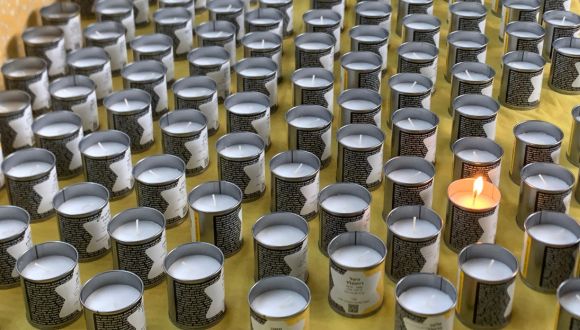
The Bar Shira Hall was filled to capacity for the Holocaust and Heroism Remembrance Day ceremony, honoring Holocaust survivors and commemorating the victims, held on campus in the presence of a large audience, including students, administrative and academic staff, and other guests. The feeling this year is that, as Holocaust survivors live among us, with their grandchildren still held hostage in Gaza, it is crucial to tell and commemorate what happened to our brothers and sisters.

“one third of the Jewish people were exterminated by the machine of evil. They were murdered solely because they were Jews”.

Prof. Mark Steif, Rector of the University, called to continue and strengthen the State of Israel as a democracy and cultivate a cultural and inclusive society. “Since October 7, the Holocaust Memorial Day has taken on an additional dimension of pain, in the shadow of the war we have been in since that horrific day, during which Jews were slaughtered in a manner and scale not seen since the Holocaust. The call ‘Never Again’ reverberates as the foundation of our existence here, on this land, uniting us in a common fate that will never be erased. Here we stand, grieving, sad, yearning, but still upright and proud, continuing to say ‘Never Again'”.

“As we face the challenges lying ahead for the State of Israel, we must continue to build and establish a democratic society and a rich culture here. This is how we will ensure that here, in the thriving legacy in our ancestral land, the Jewish people will receive protection and security, and continue to grow, develop, and serve as a model for the nations of the world”.

פרופ' מרק שטייף

Prof. Steif.

“And when I tell my father’s story in the first person, I feel close to him, and you, the audience, feel close to his story”.

Zikaron BaSalon Across the University

During the event, we were fortunate to hear the stories of four survivors, three of them from the perspective of their daughters and grandchildren, and one from the survivor himself.

Shirley Yechilevitz, a master’s student in the Conflict Management and Mediation program and an activist with the organization “Rememberance Ambassadors In First Person”, shared on behalf of herself and her sister Orly Avishar, head of the academic staff division at the university, a part of her father’s survival story, Meir Zaltzman z”l.


שירלי יחילביץ

Shirley Yechilevitz.

Shay Atos, Chair of the Student Union Governing Board, shared the story of his dear grandfather, Menachem Teitelbaum z”l.

Dudi Ronen, founder of the “First-Person Memory Ambassadors” organization, shared a part of his father Pinchas Ronen’s story.

Yitzhak Wolster, 94, a native of Hungary and a survivor of the Theresienstadt concentration camp, took the stage accompanied by his granddaughter, Noga Shahar, from the university’s spokesperson team.

Memory and Testaments in Danger

Prof. Chavi Dreyfus from the Department of Jewish History spoke about the struggle for Holocaust memory in the age of accelerated memory, and the importance of listening to the voices of the victims themselves—through their last wills, written moments before their death—as a way to preserve the humanity, complexity, and historical facts of the Holocaust, against the dangers of trivialization, distortion, and political use of its memory. Her words ranged from a chilling description of inscriptions left by Jews of the Kobyl community on the walls of the synagogue just before their destruction, to a deep exploration of memory, testimony, history, and ethics, with a clear call to preserve the research and moral responsibility for the story of the Holocaust.

פרופ' חוי דרייפוס

Prof. Dreyfus.

Even during the Holocaust and Heroism Remembrance Day ceremony, it is important to remember and remind everyone that we are still yearning and waiting for the return of the hostages from Gaza. During the ceremony, the names of 59 hostages who have not yet returned home were read aloud.

The “First-Person” organization has trained around 800 First-Person Memory Ambassadors across the country, who tell the story of a Holocaust hero in the first person.

Can AI Help Doctors Make Better Diagnoses?

A new TAU study explores how accurate AI can be when assisting with diagnoses in virtual urgent care.

AI vs. Physicians in Virtual Care

Prof. Zeltzer explains: “Cedars-Sinai operates a virtual urgent care clinic offering telemedical consultations with physicians specializing in family and emergency care. Recently, an AI system was integrated into the clinic—an algorithm based on machine learning that conducts initial intake through a dedicated chat incorporates data from the patient’s medical record and provides the attending physician with detailed diagnostic and treatment suggestions at the start of the visit -including prescriptions, tests, and referrals. After interacting with the algorithm, patients proceed to a video visit with a physician who ultimately determines the diagnosis and treatment. To ensure reliable AI recommendations, the algorithm—trained on medical records from millions of cases—only offers suggestions when its confidence level is high, not recommending about one out of five cases. In this study, we compared the quality of the AI system’s recommendations with the physicians’ actual decisions in the clinic”.

Prof. Dan Zeltzer (Photo courtesy of Richard Haldis).

The researchers examined a sample of 461 online clinic visits over one month during the summer of 2024. The study focused on adult patients with relatively common symptoms—respiratory, urinary, eye, vaginal and dental. In all visits reviewed, patients were initially assessed by the algorithm, which provided recommendations, and then treated by a physician in a video consultation. Afterward, all recommendations—from both the algorithm and the physicians—were evaluated by a panel of four doctors with at least ten years of clinical experience, who rated each recommendation on a four-point scale: optimal, reasonable, inadequate, or potentially harmful. The evaluators assessed the recommendations based on the patient’s medical history, the information collected during the visit, and transcripts of the video consultations.

AI Proves More Accurate Than Physicians in Study

The compiled ratings led to interesting conclusions: AI recommendations were rated as optimal in 77% of cases, compared to only 67% of the physicians’ decisions; at the other end of the scale, AI recommendations were rated as potentially harmful in a smaller portion of cases than physicians’ decisions (2.8% of AI recommendations versus 4.6% of physicians’ decisions).  In 68% of the cases, the AI and the physician received the same score; in 21% of cases, the algorithm scored higher than the physician; and in 11% of cases, the physician’s decision was considered better.

The explanations provided by the evaluators for the differences in ratings highlight several advantages of the AI system over human physicians: First, the AI more strictly adheres to medical association guidelines—for example, not prescribing antibiotics for a viral infection; second, AI more comprehensively identifies relevant information in the medical record—such as recurrent cases of a similar infection that may influence the appropriate course of treatment; and third, AI more precisely identifies symptoms that could indicate a more serious condition, such as eye pain reported by a contact lens wearer, which could signal an infection. Physicians, on the other hand, are more flexible than the algorithm and have an advantage in assessing the patient’s actual condition. For example, if a COVID-19 patient reports shortness of breath, a doctor may recognize it as relatively mild respiratory congestion, whereas the AI, based solely on the patient’s answers, might refer them unnecessarily to the emergency room.

A Step Closer to Supporting Doctors

Prof. Zeltzer concludes: “In this study, we found that AI, based on a targeted intake process, can provide diagnostic and treatment recommendations that are, in many cases, more accurate than those made by physicians. One limitation of the study is that we do not know which physicians reviewed the AI’s recommendations in the available chart, or to what extent they relied on the recommendations. Thus, the study only measured the accuracy of the algorithm’s recommendations and not their impact on the physicians. The study’s uniqueness lies in the fact that it tested the algorithm in a real-world setting with actual cases, while most studies focus on examples from certification exams or textbooks. The relatively common conditions included in our study represent about two-thirds of the clinic’s case volume, thus the findings can be meaningful for assessing AI’s readiness to serve as a decision-support tool in medical practice. We can envision a near future in which algorithms assist in an increasing portion of medical decisions, bringing certain data to the doctor’s attention, and facilitating faster decisions with fewer human errors. Of course, many questions remain about the best way to implement AI in the diagnostic and treatment process, as well as the optimal integration between human expertise and artificial intelligence in medicine”.

Other authors involved in the study include Zehavi Kugler, MD; Lior Hayat, MD; Tamar Brufman, MD; Ran Ilan Ber, PhD; Keren Leibovich, PhD; Tom Beer, MSc; and Ilan Frank, MSc. Caroline Goldzweig, MD MSHS, and Joshua Pevnick, MD, MSHS.

Victoria

Phone: +61 3 9296 2065
Email: office@aftau.asn.au

New South Wales

Phone: +61 02 7241 8711
Email: admin@aftau.org.au

Western Australia

Phone: :+61 0418 46 5556
Email: davidsolomon@aftau.org.au