Turtles and the Origins of the Visual Brain

TAU Study Reveals Advanced Visual Processing Evolved Hundreds of Millions of Years Ago

A new study from the School of Neurobiology, Biochemistry, and Biophysics reveals a surprising insight into the operation of the ancestral brain: the visual cortex of turtles is capable of detecting unexpected visual stimuli in a way that is independent of their position on the retina, a property that, until now, was thought to exist only in the highly developed cortices of mammals, including humans. In light of these findings, the research team assesses that advanced brain mechanisms previously thought to be unique to mammals were already present hundreds of millions of years ago.

The study was led by Milan Becker, Nimrod Leberstein, and Dr. Mark Shein-Idelson, researchers in the Department of Neurobiology and the Sagol School of Neuroscience at Tel Aviv University. The study was published in the prestigious journal Science Advances.

A Shared Ancestry

The researchers explain that reptiles and mammals diverged from a common ancestor approximately 320 million years ago. Since that time, the mammalian brain and the cerebral cortex in particular — has undergone dramatic development, becoming complex, large, and folded. The reptile brain, by contrast, is regarded as simpler and more like the common ancestor of reptiles and mammals. Therefore, when a sophisticated computational mechanism in mammals is discovered also in the brain of a turtle, it suggests that this mechanism already existed in the brains of the ancestral amniotes – the first animals that completed the move onto land.

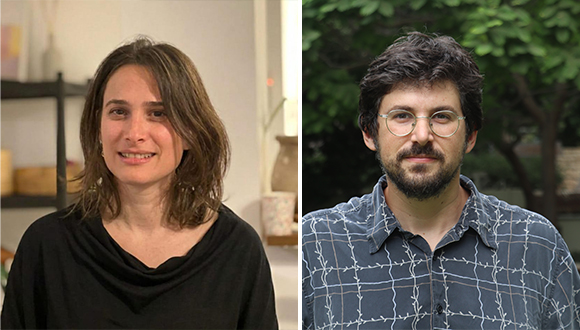
Research team (Left to right): Milan Becker, Nimrod Leberstein & Dr. Mark Shein-Idelson.

How the Turtle Brain Sees

In the study, the researchers focused on the turtle’s dorsal cortex, a region considered an evolutionary homolog of the mammalian cerebral cortex. Using neural recordings in awake animals, along with eye-movement tracking, the researchers examined how the turtle brain responds to repeatedly presented visual stimuli compared with “deviant” stimuli that appear in unexpected locations in the visual field.

Dr. Shein-Idelson: “The truly surprising result emerged when we examined what happens when the turtle moved its head or eyes. Such movements shift the image on the retina and can create ‘confusion’ in the visual system. Yet in turtles, the response to both the deviant and the regular stimulus remained consistent, despite frequent changes in the viewing angle. In simple terms, the turtle’s brain ‘understands’ that something new has occurred in the environment, even if the image is seen from a different angle and no longer falls on the exact same spot on the eye.”

The researchers also found that the turtle’s self-generated movements, such as shifts of the head or eyes, hardly elicit any brain response, even though they substantially alter the image received by the eye. In contrast, a small but unexpected change in the external environment strongly activates the brain. This indicates an ability to distinguish between stimuli resulting from self-motion and new information that requires attention.

Rethinking Brain Evolution

According to the researchers, these findings change the way we understand brain evolution. Until now, it was believed that view invariance is hierarchically computed as information travels from low to high visual areas as observed in monkeys and humans. The new study presents a different picture: even in the brain of early terrestrial vertebrates with a simple cortex, like those of the turtle’s ancestors, there already existed an ability to detect important events in the environment invariantly of viewing angle.

The researchers believe that this ability helped animals understand their spatial environment, learn, and survive complex terrestrial environments. Remarkably, even without a large and folded cerebral cortex, turtles possess a smart system capable of recognizing when something truly important is happening around them.

Dr. Shein-Idelson concludes: “This study demonstrates how the brains of turtles offer a unique window into the evolutionary past. Because turtles and mammals diverged from a common ancestor hundreds of millions of years ago, the discovery of advanced brain mechanisms in turtles suggests that these abilities either evolved hundreds of millions of years ago or convergently evolved due to similar environmental pressures in both lineages. The findings suggest that the ability to detect new and important occurrences in the environment, without being influenced by self-generated head and eye movements, is one of the cornerstones upon which the cortex evolved and points to the importance of this essential computation.”


Meeting the Needs of Every Student

The TAU Student Success Center is ensuring that students of all abilities have access to higher education

Each student has unique needs on their path to success. This is a simple principle, but meeting different needs of thousands of students requires a deep commitment to educational equity. At Tel Aviv University, the Student Success Center (SSC) is growing its resources for one of the most underrepresented populations in higher education: disabled students. 

Easing the Individual Burden 

About 35% of Israelis hold academic degrees, compared to just 16% among people with disabilities. This is largely due to a lack of accessibility resources, or to a lack of awareness about available assistance. Even before applying to university, potential students may have no way of knowing what accommodations are available, and often must spend time and energy advocating for services to which they are entitled. Upon beginning their studies, this problem does not go away as they must now self-advocate before professors and administrative staff. 

In recent years, however, there has been a welcome increase in the number of students with disabilities enrolled in higher education in Israel. At TAU, to ensure equal access to success, the SSC has made accessibility a top priority. This includes physical accessibility of campus spaces, digital accessibility of learning materials and online platforms, and faculty and staff training for disability inclusion.  

Current initiatives include:  

  • Tzavta, an alternative admissions pathway for students with disabilities, which also helps them integrate into the University  
  • An employment-oriented college program for young adults with disabilities, designed to support academic learning alongside vocational preparation  
  • Yahalom, which provides a tailored admissions route and ongoing support for students on the autism spectrum 
  • The Mia and Mile Pinkas Accessible Learning Center at the Sourasky Central Library, which provides a space for disabled students to meet and get academic support, as well as equipment such as reading assistors for the visually impaired 
  • Personalized tutoring and peer support for those with impairments and disabilities of all kinds 
     

The University is also in the process of establishing a student-led activist group which brings together students with and without disabilities, aimed at advancing awareness, advocacy, and inclusive change on campus. The group is established in partnership with Link20, an organization advocating for disability inclusion.  

TAU Diversity VP Prof. Neta Ziv presents on the many accessibility efforts on campus, present and future.

Gathering to Learn 

As part of this partnership, a conference was held recently on the TAU campus. Representatives from several academic institutions all committed to a shared objective: gaining a deeper understanding of the needs of students with disabilities and using those insights to create a more organized, accessible University experience. Importantly, disabled students themselves presented at the conference on their own unique challenges and barriers.  

The conference was also initiated in collaboration with Academi-Link, a student-led network of students with disabilities in higher education; the National Union of Israeli Students; Rothschild Partnerships; and Tel Aviv University’s Office for Equality, Diversity, and Community. 

Says Prof. Neta Ziv, Vice President for Diversity, Equality and Community: “In the wake of the war, we are already seeing, and expect to continue seeing, an increase in the number of students with disabilities entering higher education. This reality underscores the urgent need to strengthen accessibility, support structures, and inclusive policies across the university. Our commitment is not only to respond to individual needs, but to ensure that the academic environment as a whole is prepared to enable these students to thrive and succeed.” 

Spotlight on a Student: 

Tova is a second-degree law (LLM) student at the Buchmann Faculty of Law. She is already working full-time as a lawyer in a boutique firm and is pursuing this advanced degree in her very limited free time. “I felt a calling to law,” she says. “I have needed lawyers to help me advocate for myself in the past, and those experiences made me want to help others in the same way.” 

Tova’s impairment is physical, and she is able to participate in classes thanks to the accommodations offered by the Student Success Center through the Pinkas Center and the Faculty. “I need a footrest and a pillow for my back during my studies, which help me physically sit in class with all the other students.” 

Read other success stories here and here

Want to lose weight? Start strength training

A new TAU study shows that strength training is the most effective way to lose weight while preserving muscle mass for both women and men.

A new study conducted at the Gray Faculty of Medical and Health Sciences and the Sylvan Adams Sports Science Institute at Tel Aviv University reveals a clear conclusion: strength (resistance) training is the most effective tool for achieving “high-quality” weight loss, reducing body fat while preserving, and even increasing, muscle mass.

Comparing Weight Loss Methods

The study was led by Prof. Yftach Gepner, together with Yair Lahav and Roi Yavetz, and was published in the scientific journal Frontiers in Endocrinology. The researchers analyzed data from hundreds of women and men aged 20–75 who participated in a structured weight-loss program. All participants adhered to a low-calorie diet with a controlled energy deficit, but were divided into three groups based on their chosen activity: no physical exercise, aerobic exercise, or resistance training.

Why Muscle Matters

The findings show that while total weight loss was similar across all groups, a significant difference was found in the composition of the weight loss. Participants who performed strength training lost more fat than those in the other groups, and at the same time were the only ones who succeeded in preserving  and even increasing their muscle mass. In contrast, participants who did not exercise, as well as those who engaged in aerobic activity alone, lost a substantial portion of their muscle mass as part of the weight-loss process.

The research team explains: “Although total weight loss was similar among all participants, the key difference lay in the composition and quality of that loss. While weight loss without strength training, and even with aerobic activity alone, was accompanied by loss of muscle mass, strength training led to weight loss based primarily on loss of fat, while preserving and even increasing muscle mass. This means that weight loss achieved through strength training is not just a decrease on the scale, but a healthier, more stable, and more effective long-term process.”

The research team (Left to right): Yair Lahav, Roy Yavetz & Prof. Yftach Gepner.

The Metabolic Advantage

Muscle mass plays a central role in health and metabolism. Muscle constitutes about 40% of body weight and is responsible for a significant portion of daily energy expenditure, even at rest. When muscle mass declines, metabolic rate decreases, weight loss becomes more difficult, and the likelihood of regaining weight after dieting increases. Therefore, weight loss that does not preserve muscle may be less sustainable and potentially harmful in the long term.

Beyond that, maintaining muscle mass is essential for everyday functioning, strength, stability, and balance. Loss of muscle can impair physical ability, increase the risk of injuries and falls, and may even accelerate the development of sarcopenia age-related muscle degeneration that can also affect relatively young individuals during unbalanced dieting.

The study also demonstrated a clear advantage of strength training in reducing waist circumference  a key indicator of abdominal obesity and cardiometabolic risk. The greatest reductions in waist circumference were observed among the participants who engaged in strength training and were found to be strongly associated with fat loss, highlighting this type of exercise’s contribution to heart and metabolic health.

A Shift in How We Measure Weight Loss

According to the researchers, the findings underscore that not all weight loss is equal in quality. “Good” weight loss reduces body fat, preserves muscle, and supports health and long-term weight maintenance. The study’s conclusion is clear: incorporating strength training into weight-loss programs is not a luxury, but an essential component of healthy, effective, and sustainable weight loss for both women and men.

Prof. Gepner concludes: “Our study shows that weight loss should not be measured only by how many kilograms we lose, but by the quality of that loss. When appropriate nutrition is combined with strength training, it is possible to reduce fat effectively while preserving and even improving muscle mass, a critical factor for metabolic health, daily functioning, and long-term weight maintenance. Our findings make it clear that strength training is not just for athletes, but a vital tool for anyone who wants to lose weight in a healthy, safe, and sustainable way, women and men alike.”

Rising Stars in Cancer Research: Meet Three Inspiring Women Scientists at Tel Aviv University

Groundbreaking discoveries, big dreams, and the joy of life in the lab from TAU’s next generation of cancer experts.

On the International Day of Women and Girls in Science, we spoke with three outstanding female cancer researchers at Tel Aviv University’s Gray School of Medical Sciences. They shared insights into their groundbreaking work, what they love most about scientific discovery, and how they balance ambitious careers with family life and other priorities. Their answers were honest, motivating, and full of passion. One thing was especially clear: these women don’t just do science — they genuinely love it.

A Female Powerhouse in Medical Science

The Gray Faculty of Medical and Health Sciences at Tel Aviv University is a true hub of female leadership in medicine and research. Led by Dean Prof. Karen Avraham, the Faculty is committed to fostering an inclusive and welcoming home for scientists and students of all backgrounds.

The Gray School of Medical Sciences is headed by Prof. Ronit Satchi-Fainaro, a TAU cancer research “superstar” and a leading figure in the field for over a decade. The Faculty is also home to prominent researchers such as Prof. Carmit Levy, who studies skin cancer, Prof. Lihi Adler-Abramovich, who investigates novel bio-inspired materials, and many more.

And now, a new generation of trailblazing women scientists is making its mark.

Dr. Yaara Oren: Targeting Cancer’s “Persister” Cells

Dr. Yaara Oren studies one of the most challenging mysteries in cancer treatment: why some cancer cells survive therapy unharmed.

After earning her Ph.D. at TAU and completing postdoctoral training at Harvard University and the Broad Institute, she now leads a lab focused on rare “persister” cells — cancer cells that withstand treatment and may later cause the disease to return.

Her research aims to understand these stubborn survivors better and develop new strategies to eliminate them.

“I love what I do because I get to travel all over the world, meet scientists with brilliant minds, and brainstorm about how to make the world a better place,” she says.

A mother of three, Dr. Oren also speaks candidly about balancing science and family: “Do not give up on your hopes. You can be an amazing scientist and a wonderful mother!”

Dr. Inbal Wortzel: Decoding Cancer Metastasis and Immune Defense

Next is Dr. Inbal Wortzel, a new faculty recruit at the Gray School of Medical Sciences and a mother of four.

Dr. Wortzel studies metastasis, the process by which cancer spreads throughout the body. Her work focuses on the hidden communication systems that influence how tumors travel and how the immune system responds.

“By understanding this communication, we hope to learn how the body naturally protects itself from cancer — and how we can boost that protection,” she explains.

Her research could lead to new approaches to strengthen immune-based therapies and prevent cancer from spreading.

Dr. Wortzel describes science as a thrilling race to discovery: “Never lose hope in yourself. Always believe in yourself, even when somebody tells you that you cannot. You probably can, and you will.”

Dr. Merav Cohen: Mapping Cell Communication Inside Tumors

Our third rising star is Dr. Merav Cohen, whose lab explores how immune cells “talk” with the cells inside tumors.

This cellular communication plays a major role in how tumors grow, and how the body fights back. “The goal is to uncover molecular signals that could become new targets for immunotherapy, disrupting harmful cell-to-cell interactions in cancer,” Cohen explains.

Also a mother of four, Dr. Cohen finds joy in the creativity of research: “You can dream about something during the night and then come to the lab the next day and actually do it.”

Her advice to young women: “Just do the best that you can at any stage of your life. Even if you don’t know today what you’ll be in the future, be the best you can.”

Celebrating Women and Girls in Science

These three scientists and their peers at the Gray Faculty represent the future of cancer research, and the growing impact of women in STEM at Tel Aviv University and beyond.

Their work is advancing the fight against cancer, while their stories are inspiring the next generation of girls to believe in their potential and pursue scientific discovery.

Dr. Wortzel’s lab: all-female!

Happy International Day of Women and Girls in Science!


Can Traumatic Memories Be Rewritten?

Preliminary TAU findings suggest noninvasive brain stimulation may reduce intrusive PTSD symptoms

A new study conducted at Tel Aviv University introduces an innovative approach to treating post-traumatic stress disorder (PTSD), generating particular interest in light of the sharp rise in the number of individuals coping with the condition following the events of October 7 and the Iron Swords War. According to the study’s preliminary findings, treatment using noninvasive brain stimulation succeeded in significantly reducing intrusive memories, such as flashbacks and intrusive thoughts, which are considered among the most severe and treatment-resistant symptoms of PTSD.

The study was conducted in the laboratories of Prof. Nitzan Censor and Yair Bar-Haim from the School of Psychological Sciences and the Sagol School of Neuroscience at Tel Aviv University. It was led by doctoral students Or Dezachyo and Noga Yair, in collaboration with the laboratory of Prof. Ido Tavor. The research team included Noga Mendelovitch, Dr. Niv Tik, Dr. Haggai Sharon of Tel Aviv Sourasky Medical Center (Ichilov), and Prof. Daniel Pine of the National Institute of Mental Health (NIMH) in the United States. The study was published in the scientific journal Brain Stimulation.

Research team (Left to right): Prof. Yair Bar-Haim, Noga Yair, Or Dezachyo and Prof. Nitzan Censor

A New Approach to PTSD Treatment

PTSD affects millions of people worldwide, including soldiers and survivors of terrorist attacks, traffic accidents, and violence. Despite advances in psychological and pharmacological treatments, only about 50% of patients respond well to existing therapies, and intrusive memories continue to burden many of them years after the traumatic event. These memories are not just distressing thoughts; they are vivid, tangible experiences that reactivate the body and emotions as though the trauma were happening all over again.

The researchers focused on the hippocampus — a deep brain structure responsible for the processing, storage, and retrieval of memories. Because direct stimulation of deep brain regions requires invasive intervention, the team employed an indirect and sophisticated method: they identified superficial brain regions that are functionally connected to the hippocampus and stimulated them using transcranial magnetic stimulation (TMS). The precise stimulation site was determined individually for each participant based on fMRI scans, allowing for a personalized treatment approach.

Promising Early Results

Ten adults with PTSD participated in the initial study, undergoing five weekly treatment sessions. During each session, the traumatic memory was first deliberately reactivated, after which brain stimulation was applied — precisely at the stage when the memory is in a “flexible” state and more open to change, within a process known as reconsolidation. The researchers’ aim was to influence the way the memory is re-stored in the brain, thereby alleviating post-traumatic symptoms.

The results showed a sharp reduction in the severity of post-traumatic symptoms, particularly in the frequency and intensity of intrusive memories, with participants demonstrating consistent improvement. At the same time, brain imaging revealed reduced connectivity between the hippocampus and the stimulation regions — evidence that the effects were not merely subjective but reflected a real change in brain activity.

Illustration of the experimental setup

Special significance in the aftermath of October 7

These findings carry particular importance for IDF soldiers, members of the security forces, civilians exposed to the terror attacks of October 7, survivors of the massacre, and victims of shootings and abductions — Israeli populations in which the prevalence of PTSD is expected to be especially high. Many of them report experiencing intense intrusive memories months after the events. The potential development of a short, noninvasive treatment that directly targets the mechanisms underlying traumatic memories could become a valuable component of the national rehabilitation effort.

What Comes Next

According to the researchers, although this was a preliminary study conducted in a small group and did not include a control group, it provides clear proof of feasibility. Larger, controlled clinical trial is already underway at Tel Aviv University, and is required to assess the method’s effectiveness and long-term impact. If the findings are confirmed, this may represent a fundamental shift in the way traumatic memories are treated — addressing not only its emotional consequences, but the underlying neural root itself.

Prof. Nitzan Censor concludes: “These preliminary findings point to a conceptual shift in how we can approach the treatment of PTSD. We are attempting to intervene, in a targeted manner, in the brain mechanism of memory itself — at the moment when it ‘reopens’ and becomes amenable to change. The fact that we observed a consistent reduction in intrusive memories, alongside a measurable change in brain activity, is encouraging. It is important to emphasize that these are still very early results. Nevertheless, especially in light of the current reality in Israel, we hope that continued, comprehensive clinical research will eventually make it possible to develop a noninvasive and accessible treatment that will help many soldiers and civilians return to functional lives, free from the constant intrusion of traumatic memories.”


Dreaming Big: Thousands of Prospective Students Attend TAU Open Day

Thank you to everyone who has started thinking big about their future

Tel Aviv University’s campus was filled today, Thursday, February 5, with thousands of prospective students who arrived for the university’s traditional Open Day. Under the message “Start thinking big about your future,” students were placed at the heart of the experience — from a live podcast station to an impressive exhibition of groundbreaking student projects.

Prospective students met academic faculty members and current students across the various faculty buildings and took part in workshops and panels that provided all the tools needed to begin their academic journey. The festive atmosphere made an impact: already during the day, hundreds of new students registered on campus, choosing to secure their place in next year’s incoming class.

Students at the Front

This year, special emphasis was placed on student-led initiatives. Across the different areas of campus, visitors were introduced to outstanding projects led by students during their studies — ranging from technological developments to innovative social initiatives. In addition, a special podcast was recorded throughout the day (working title: “Live from Campus”), featuring students and alumni sharing their degree experiences and career tips.

“This year, we chose to put our students at the front, because they are living proof that here, you can — and should — start thinking big,” says Sharon Ariel, Marketing Director of Tel Aviv University. “We see our students as full partners in the creation of knowledge and in shaping reality. Our goal is to give them the strongest possible support, so that their future can begin here — in the most powerful way.”

The Freedom to Choose and Combine

Throughout the day, prospective students were able to explore the wide range of program combinations offered by the university.

“The university offers more than 200 study programs, and we encourage students to choose interdisciplinary combinations that express their individuality,” adds Ariel. “Whether it’s combining Computer Science with Art or Biology with Government, we believe that unconventional combinations are precisely what give our graduates a meaningful advantage in today’s dynamic job market.”

The excitement on campus was also reflected in high registration numbers: the first 200 students to register during Open Day received a special surprise — a free pair of Saucony sneakers — to begin their studies with confidence and style.

Visitors took part in immersive tours across faculty buildings and departments, offering a taste of different fields of study and a glimpse into the university’s labs. Among the most popular sessions were introductions to Tel Aviv University’s innovative teaching methods, including hands-on virtual reality experiences, as well as workshops on choosing a field of study led by the Career and Academic Counseling Center at the Dean of Student Success.

In addition, prospective students learned how they can spend a full semester at leading universities abroad through TAU’s student exchange program and participated in a workshop at the Campus Entrepreneurship Center, where they discovered how to start advancing a startup dream already during their degree.

Have We Reached a Point of No Return in Sea Urchin Extinction?

Researchers warn that patterns seen in the Canary Islands may emerge in other regions worldwide.

A global study by an international research team, including Prof. Omri Bronstein of the School of Zoology, Wise Faculty of Life Sciences and the Steinhardt Museum of Natural History at Tel Aviv University – who is leading global efforts to study the wave of sea urchins mass mortalities around the world, presents new and particularly alarming findings: for the first time, evidence of apparent local sea urchin extinction has been found in the Canary Islands.

The study revealed that the genus Diadema (the long-spined black sea urchins many of us are familiar with) is no longer able to produce offspring at this site — a finding that likely indicates local extinction.

The study was carried out by an international consortium including Tel Aviv University scientists in collaboration with researchers from Spain and the Canary Islands. The findings were published in the journal Frontiers in Marine Science.

From Local Die-Offs to Global Spread

Prof. Bronstein describes the sequence of events over recent decades: “In 1983–84, a mass mortality event of Diadema sea urchins was recorded in the Caribbean islands in the western Atlantic Ocean. This die-off triggered a dramatic ecological shift in the region: with the sea urchins — the habitat’s primary algae grazers — gone, vast algal fields spread, blocking sunlight and causing severe, irreversible damage to coral reefs in the region. In 2022, another mortality event struck the Caribbean, and for the first time the pathogen responsible for the lethal disease was identified. This epidemic spread to the Red Sea by 2023, and by 2024 it was also detected in the Western Indian Ocean, off the coast of Reunion.”

The Canary Islands: A Missing Link

In the current study, a formerly undetected mass mortality event was identified in the Canary Islands, off the coast of Morocco in the eastern Atlantic Ocean, which in fact occurred as early as mid-2022. According to the researchers, this event represents the “missing link” in the disease’s geographic spread. The study also revealed a particularly troubling finding, which likely points to the potential local extinction of the species in the Canary Islands. The study was based on extensive observational data collected through local citizen science, alongside scientific surveys, satellite data analysis (remote sensing), and the collection of samples from the seafloor by the research team.

Prof. Bronstein explains: “Sea urchins reproduce by releasing sperm and eggs into the seawater, where fertilization produces millions of embryos that drift as plankton in the water column. After several days to weeks (depending on the species), the larvae settle on the seabed and develop into juvenile urchins — a process known as ‘recruitment.’ In this study, we discovered that for the first time in history, there are no new juvenile urchins being recruited across several Canary Islands, indicating that the recruitment process has halted since the extensive mortality event that took place there. In other words, the die-off of the adult urchins has been so widespread that the species is no longer able to produce a next generation, if no recruitment occurs, the species may disappear from the region’s ecosystem.”

 Prof. Omri Bronstein

A Warning for Other Marine Ecosystems

The researchers note that sea urchin populations are typically characterized by fluctuations — they often decline and later recover. This time, however, the situation is far more severe and appears to be an extinction event rather than a transitional phase. The researchers warn that the pattern observed in the Canary Islands may also unfold in other regions around the world where unprecedented sea urchin mass mortality events have been recorded in recent years — including the Red Sea coast and the coral reef of the Gulf of Eilat.

Prof. Bronstein concludes: “In this study, we identified a mass mortality event of sea urchins that occurred in mid-2022 in the Canary Islands. In its aftermath, it became clear that the affected species is no longer capable of successfully reproducing in this area — a finding that may lead to local extinction, which is expected to have severe ecological consequences. A likely outcome would be the uncontrolled proliferation of algae, which would affect the entire ecosystem — although at this stage, it is difficult to predict exactly in what way.

Holocaust Memory Today: A Focus on the Righteous

TAU’s “For a Righteous Cause” report explores a global trend in Holocaust commemoration centered on the Righteous Among the Nations.

Ahead of International Holocaust Remembrance Day, the Center for the Study of Contemporary European Jewry at Tel Aviv University is publishing, for the fifth year, the “For a Righteous Cause” Report, which examines initiatives and activities around the world to preserve Jewish heritage, commemorate the memory of the Holocaust, and combat racism and antisemitism. The report, comprising 104 pages, has received broad international attention.

A Central Trend: Remembering the Righteous Among the Nations

A central article in the Report determines that the most prominent trend in Holocaust commemoration worldwide over the past two decades, which strengthened in the past year, is the establishment of museums and exhibitions dealing with the stories of the Righteous Among the Nations—heroes who risked their lives and the lives of their families to save Jews from extermination; some of them saved hundreds, and tens of thousands of Jews living among us today owe them their lives. According to the article, this is the case in Japan, where the two main Holocaust remembrance museums deal with the figure of Chiune Sugihara, the Japanese diplomat who saved hundreds of Jews; in Latvia, where the main Holocaust commemoration museum focuses on the figure of the Righteous Among the Nations Jānis Lipke, who exploited his work in the German air force to save hundreds of Jews and hid Jews in a bunker he built under his home at the risk of his life; and in Czechia, where in May 2025 the “Museum of the Survivors” opened on the ruins of the factory in which Oskar Schindler employed about 1,200 Jews and brought about their rescue. Alongside an exhibition about Schindler, the museum presents testimonies of Holocaust survivors.

Chiune Sugihara display at the Holocaust Education Center in Fukuyama, Japan, September 2025

Additional examples include museums and exhibitions in Tennessee in the United States, in Bulgaria, in China, and in the United Arab Emirates. In Tennessee, a new exhibit at the local university deals with the legacy of the American prisoner of war Roddie Edmonds, who refused a Nazi order to identify and separate Jewish prisoners of war from the rest of the soldiers. In Shanghai, an exhibit at the “Jewish Refugees Museum” focuses on the work of the Chinese diplomat Feng Shan Ho, who issued life-saving visas to Jews. In Bulgaria, the reconstructed home of the former deputy speaker of parliament, Dimitar Peshev, is open to the public, and visitors learn about the actions he took to prevent the deportation of 48,000 Jews in Bulgaria in March 1943.

According to Prof. Uriya Shavit, Head of the Center, “The spotlight turned toward the Righteous Among the Nations is welcome—as a lesson in humanity, in humanism, and in the ability of individuals to rebel against tyranny and do good. But it is important that the story of the Righteous Among the Nations be learned in context, and not as a blurring of the past. Rescuers of Jews were the very rare exception during the Holocaust.”

Alfred Dreyfus exhibition at the Musée d’Art et d’Histoire du Judaïsme, Paris, France, August 2025

Dr. Carl Yonker, the author of the article and the Project Manager of the Center for the Study of Contemporary European Jewry, said: “Educators need to ensure that students arrive at museums and exhibitions that focus on the Righteous Among the Nations only after they have received significant guidance on the history of antisemitism, of Nazism, and of the Holocaust. It is more convenient for educators to deal with the good rather than the bad, but there is a real concern that the focus on rescuers will blur the harsh historical reality.”

In the policy recommendations in the article’s conclusion, the Center calls on the Israeli education system to determine that in every classroom in Israel, time will be devoted, ahead of Holocaust Remembrance Day, to studying the story of one Righteous Among the Nations, “as an expression of gratitude and of the power of individuals to repair the world.”

The report also analyses in a lengthy article France’s recent and little noticed decision to establish a national day of commemoration in honor of Captain Alfred Dreyfus each July 12, marking the 1906 Court of Cassation decision that annulled his treason conviction. Standing alongside France’s four other main civic and military national holidays, French President Emmanuel Macron declared the new national day to be “a victory of justice and truth against hatred and antisemitism,” and urged that today, more than ever, people must be vigilant and persevere “against these old antisemitic demons.” The report explains why such a victory is debatable, and stresses that the Dreyfus Affair is still a source  for great public interest because it reflects the ongoing controversy about its identity and direction.

Other articles in the “For a Righteous Cause” Report deal with King Charles III’s relationship to Judaism, and with the flourishing of Judaica philately. An extensive roundtable discusses Stefan Zweig’s relationship to Judaism and Zionism and the reasons for his literary renaissance in contemporary Israel. The central article in the booklet, pointing out that Muslim immigration is not a primary factor in anti-Israel sentiment in Europe, was published about a month ago in an early publication and stirred lively public debate.

Read the full report >>

Israeli Breakthrough: The Brain Can Boost Vaccine Effectiveness

New research reveals that activating the brain’s reward system through positive anticipation strengthens the immune response and increases antibody production

Can positive anticipation that activates the brain’s reward system strengthen the body’s immune defenses? A new study by Tel Aviv University, the Technion, and Tel Aviv Medical Center (Ichilov), published in the prestigious journal Nature Medicine, provides the first evidence in humans that brain activity associated with the expectation of reward has a measurable effect on the body’s response to a specific vaccine.

Training the Brain’s Reward SystemThe study was conducted through a collaboration between two research groups: the laboratory of Prof. Talma Hendler, from the School of Psychological Sciences and the Gray Faculty of Medical and Health Sciences, together with her former PhD student Dr. Nitzan Lubianiker, at Tel Aviv University and the Sagol Brain Institute at Tel Aviv Medical Center (Ichilov); and the laboratory of Prof. Asya Rolls from The George S. Wise Faculty of Life Sciences, together with her former student Dr. Tamar Koren of the Technion and the Department of Pathology at Tel Aviv Medical Center (Ichilov).

Eighty-five healthy volunteers participated in the experiment. Some underwent special brain training using fMRI neurofeedback technology — a method that enables individuals to learn, in real time, to regulate activity in specific brain regions through reinforcing learning. The aim of the brain training was to increase activity in a key region of the brain’s reward system including  the Ventral Tegmental Area (VTA), which is responsible for dopamine release in the context of mental activity related to the expectation of positive outcomes and motivation to obtain rewards. Participants were instructed to modulate their brain activity using various mental strategies (e.g. thoughts feelings memories) while monitoring positive feedback about the strategy that was saucerful in regulating their brain.

From Brain Activation to Antibodies

Immediately after completing the brain training, all participants received a hepatitis B vaccine. The researchers then tracked the immune response through a series of blood tests, measuring levels of specific antibodies produced following the vaccination.

The results showed that participants who succeeded in significantly increasing activity in the brain’s reward region also demonstrated a greater increase in antibody levels after vaccination. The association was specific to the VTA and was not observed in other brain regions used for control purposes (such as the hippocampus), nor in other reward-system areas linked to different reward-related experiences such as pleasure and satisfaction. In other words, the effect was both anatomically and mentally specific.

Dr. Nitzan Lubianiker, photo credit: Sameer Khan/Fotobuddy

The Role of Positive Anticipation

Furthermore, an in-depth analysis of the mental strategies participants used during training of the VTA (and not other regions) revealed that those who focused on positive anticipation — feelings of excitement, belief in a good outcome, or the expectation of something positive about to happen (such as a favorite food or a long-awaited meeting) — were able to maintain higher VTA brain activity over time, which was also associated with a better immune response. In other words, the researchers identified a link between reward-system brain activity, a mental state of positive anticipation, and the body’s response to an immune challenge.

According to the research team, this is not “positive thinking” in the popular sense or a New Age slogan, but a measurable neurobiological mechanism — related, among other things, to the well-known placebo effect in medicine (a therapeutic response beyond a specific medical intervention). “We show that mental states have a clear brain signature, and that this signature can influence physiological systems such as the immune system,” explain the researchers.

While the study does not propose a substitute for vaccines or medical treatment, it opens the door to new, noninvasive approaches that may one day strengthen immune responses, improve the effectiveness of medical treatments, and even contribute to fields such as immunotherapy and the treatment of chronic immune pathologies. The researchers note that the study’s findings underscore a broader message: the mind–body connection is not merely a theoretical concept, but a real biological process that can be measured, trained, and potentially harnessed to promote better health.

 Prof. Talma Hendler, Photo creditTel Aviv Medical Center (Ichilov).

Implications for Medicine and Health

The research team adds that the findings highlight the potential inherent in integrating neuroscience, psychology, and medicine. “Our study shows that the brain is not only a system that responds to the body’s state of health, but also an active player that influences it,” say Prof. Talma Hendler, Prof. Asya Rolls, Dr. Nitzan Lubianiker, and Dr. Tamar Koren. “The ability to consciously activate brain mechanisms associated with positive anticipation opens a new avenue for research and future treatments — as a complement to existing medicine, not as a replacement. In the future, it may be possible to develop simple, noninvasive tools to help strengthen immune responses and enhance the effectiveness of medical treatments by relying on the brain’s natural capacity to influence the body. However, it is important to emphasize that activation of the reward system and its effect on immune response vary between individuals. Therefore, this approach cannot replace existing medical treatments, but may well serve as an additional supportive component.”

Tel Aviv University Launches an International MA in Jewish Studies

An English-taught, interdisciplinary program exploring Jewish civilization from antiquity to the present

Tel Aviv University (TAU) invites students from around the world to apply to its International MA in Jewish Studies, a dynamic program in English offering an in-depth exploration of Jewish civilization from antiquity to the present.

Hosted within the framework of TAU’s Faculty of Humanities and in collaboration with the Lowy International School and the Koret Center for Jewish Civilization the program offers a broad, interdisciplinary curriculum encompassing Biblical studies, Jewish and Semitic languages, and Jewish history as well as Jewish culture, literature and thought.

Classes are taught in English by internationally renowned scholars and are offered on TAU’s vibrant campus, with select hybrid and Zoom-based options.

A distinctive feature of the program is its academic partnership with Goethe University Frankfurt, one of Europe’s leading centers for religious studies and Jewish history, culture, and thought. Through this collaborative partnership, students can enroll in English-language courses offered by the Jewish Studies program and the religious studies program at Goethe University, further enhancing the program’s international scope.

Current courses include:

The Dialogical Turn in Modern Jewish Philosophy — Prof. Christian Wiese & Prof. Menachem Fisch

The Theology of the Hebrew Bible — Prof. Dalit Rom-Shiloni

The Dead Sea Scrolls and the Hebrew Bible: Transmission, Interpretation, and Ideology — Prof. Eshbal Ratzon

The Jewish Magical Tradition: An Introduction — Prof. Gideon Bohak

Early Modern Ashkenaz: Jewish Thought and Culture in the German Lands – Prof. Maoz Kahana & Prof. Rebekka Voss

Modern Jewish Politics: Between Power and Powerlessness — Prof. Scott Ury

Sephardi and Mizrahi Jews in Cross-Cultural Settings: Past and Present — Dr. Noah Gerber

“Through a wide range of courses on various aspects of Jewish studies, TAU’s MA program in Jewish Studies offers students the opportunity to study with leading scholars from TAU and Goethe University Frankfurt alongside a dynamic cohort of international students from Israel, Germany, and a number of other countries.”

Prof. Scott Ury, Academic Director, International MA in Jewish Studies, Dept. of Jewish History, TAU.

In addition to academic studies, students may enroll in intensive Hebrew language courses, participate in TAU’s Yiddish Summer Program, and take a wide range of additional courses on TAU’s campus offered in English and, for those with sufficient proficiency, in Hebrew.

TAU’s International MA in Jewish Studies provides students with a unique opportunity to engage directly with Israeli society, gaining critical insight into the historical, cultural, and political background of Israel as well as the crises currently facing the broader region.

As Alena R., a visiting MA Student from Goethe University notes:

“Studying in Tel Aviv is a great opportunity, because it allows for multiple ways of personal and academic growth: Experiencing living Israeli and Jewish culture, learning Hebrew, attending English seminars and getting research insights to current research by attending colloquia. The classes are diverse and interesting, and the teachers are dedicated, open, and supportive.

The program is open to students holding a BA in the Humanities, and in certain cases BA degrees in the Social Sciences or other fields. It is well-suited for those planning to pursue doctoral studies in related fields, careers in education, journalism or politics, or those who wish to work in non-profit or cultural organizations.

The MA can be completed in three to four semesters. Students can integrate some Zoom-based courses and intensive summer courses at TAU as well as several Zoom courses through Goethe University Frankfurt into their program of study. TAU also offers opportunities for student exchange with Goethe University that allow students to spend a semester at our partner university in Frankfurt.

A limited number of scholarships are available for students enrolling in the Spring Semester, March 15, 2026-June 30, 2026.

For more information about the program, admissions and the application process, please visit the Jewish Studies program website or contact: majs@tauex.tau.ac.il.


Victoria

Phone: +61 3 9296 2065
Email: office@aftau.asn.au

New South Wales

Phone: +61 02 7241 8711
Email: admin@aftau.org.au

Western Australia

Phone: :+61 0418 46 5556
Email: davidsolomon@aftau.org.au