How Corals Pulse in Perfect Sync Without a Brain?

A TAU–University of Haifa study solves a long-standing mystery about rhythmic movement in nature

A joint study by Tel Aviv University and the University of Haifa set out to solve a scientific mystery: how a soft coral is able to perform the rhythmic, pulsating movements of its tentacles without a central nervous system. The study’s findings are striking, and may even change the way we understand movement in the animal kingdom in general, and in the corals studied in particular.

The study was led by Elinor Nadir, a PhD student at Tel Aviv University, under the joint supervision of Prof. Yehuda Benayahu of the School of Zoology at Tel Aviv University and Prof. Tamar Lotan of the Department of Marine Biology at the Leon H. Charney School of Marine Sciences at the University of Haifa. The findings were published in the prestigious scientific journal PNAS.

An Orchestra Without a Conductor

The research team discovered that the soft coral Xenia umbellata — one of the most spectacular corals on Red Sea reefs — drives the rhythmic movements of its eight polyp tentacles through a decentralized neural pacemaker system. Rather than relying on a central control center, a network of neurons distributed along the coral’s tentacle enables each one to perform the movement independently, while still achieving precise, collective synchronization.

“It’s a bit like an orchestra without a conductor,” explains Prof. Tamar Lotan of the School of Marine Sciences at the University of Haifa. “Each tentacle acts independently, but they are somehow able to ‘listen’ to each other and move in that perfect harmony that so captivates observers. This is a completely different model from how we understand rhythmic movement in other animals.”

Testing the Limits of Coordination

Corals of the Xeniidae family are known for their hypnotic movements — the cyclic opening and closing of their tentacles. Until now, however, it was unclear how they perform this. To investigate, the researchers conducted cutting experiments on the coral’s tentacles and examined how they regenerated and restored their rhythmic motion. To their surprise, even when the tentacles were cut off and separated from the coral — and even when further divided into smaller fragments — each piece retained its ability to pulse independently.

Ancient Genes, Modern Insights

Subsequently, the researchers conducted advanced genetic analyses and examined gene expression at different stages of tentacle regeneration after separation from the coral. They found that the coral uses the same genes and proteins involved in neural signal transmission in far more complex animals, including acetylcholine receptors and ion channels that regulate rhythmic activity. According to the researchers, this discovery suggests that the origin of rhythmic movements — familiar to us from those underlying breathing, heartbeat, or walking — is far more ancient than previously thought. The corals studied demonstrate how coordinated movement can emerge from a simple, distributed system, long before sophisticated control centers evolved in the brains of advanced animals.

Prof. Benayahu adds: “It is fascinating to reach the conclusion that the same molecular components that activate the pacemaker of the human heart are also at work in a coral that appeared in the oceans hundreds of millions of years ago. The coral we studied allows us to look back in time, to the dawn of the evolution of the nervous system in the animal kingdom. It shows that rhythmic and harmonious movement can be generated even without a brain — through remarkable communication among nerve cells acting together as a smart network. There is no doubt that this study adds an important layer to our understanding of the wonders of the coral reef animal world in general, and of corals in particular, and underscores the paramount need to preserve these extraordinary natural ecosystems.”


When Your Face Decides Before You Do

New TAU study shows facial mimicry is part of how we make choices

Imagine sitting across from someone describing two movies to you. You listen attentively, trying to decide which one interests you more — but during that time, without noticing, your face already reveals what you prefer. You smile slightly when they smile, raise your eyebrows when they surprise you, and tense your muscles when they emphasize something. This phenomenon is called facial mimicry — and it turns out to be a better predictor of your choice than anything else.

This is the central finding of a new study from the School of Psychological Sciences at Tel Aviv University, led by doctoral student Liron Amihai in the lab of Prof. Yaara Yeshurun (together with Elinor Sharvit and Hila Man), in collaboration with Prof. Yael Hanein of TAU’s Fleischman Faculty of Engineering. The study was published in Communications Psychology.

Tracking the Smallest Facial Movements

The study was conducted with dozens of pairs in which one person described two different films to their partner, after which the participants had to choose which film they preferred to watch. Using unique technology, the research team was able to track micro-movements of the face that are not visible to the naked eye.

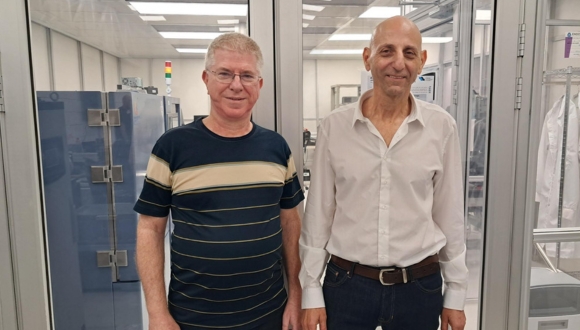
Research team – Left to right – Prof. Yaara Yeshurun & Liron Amihai

The findings showed that participants consistently preferred the option during which they showed more mimicry of the speaker’s positive expressions . They did so even when they were explicitly instructed to choose according to their personal taste and not according to the speaker.

This finding is particularly interesting given that the listeners’ own facial expressions (for example, how much they smiled in general) did not predict their choice, but rather the degree to which they mimicked the speaker.

Even Without Seeing a Face

In another phase of the experiment, participants listened to an actress reading the movie summaries using audio only, without any video. Even though they could not see her face, the researchers found that the participants mimicked her “smile in the voice” and this mimicry again predicted their choice.

The research team: “The study indicates that facial mimicry is not only a social mechanism that helps us connect with other people. It likely also serves as an ‘internal signal’ to the brain that is indexing agreement.”

Illustration of a participant in the study with an EMG electrode measuring her facial expressions activation

More Than Politeness

Liron Amihai explains: “The study showed that we are not just listening to a story — we are actually being ‘swept’ toward the speaker with our facial expressions’ mimicry, and this muscular feedback might influence our decisions. This mimicry often happens automatically, and it can predict which option we will prefer long before we think about it in words. Facial mimicry, therefore, is not merely a polite gesture, but also a part of the decision-making system.”

Liron concludes: “With the help of this technology and these findings, we may be able in the future to build systems that identify emotional preferences naturally — without asking a single question.
In conclusion, the study illustrates that decision-making is not only a matter of thought — but also of feeling, bodily response, and unconscious communication. Facial mimicry emerged as a significant predictor of our preferences. This is a meaningful step toward understanding how we choose, feel, and empathize with others, and it has many implications for the worlds of advertising, marketing, and decision-making processes.”

Breast Cancer and the Brain: A Breakthrough in Understanding Metastasis

For the first time, researchers uncover the biological mechanism that enables breast cancer to spread to the brain, opening new paths for treatment and early detection

A large-scale international study, led by researchers from the Gray Faculty of Medical and Health Sciences at Tel Aviv University, has uncovered a mechanism that allows breast cancer to send metastases to the brain — a highly lethal occurrence for which there is currently no effective treatment. The findings could enable the development of new drugs and personalized monitoring for early detection and treatment of brain metastases.

The groundbreaking study was led by Prof. Uri Ben-David and Prof. Ronit Satchi-Fainaro, along with researchers Dr. Kathrin Laue and Dr. Sabina Pozzi from their laboratories at the Gray Faculty of Medical and Health Sciences at Tel Aviv University, in collaboration with dozens of researchers from 14 laboratories in 6 countries (Israel, the United States, Italy, Germany, Poland, and Australia). The article was published in the journal Nature Genetics.

Why Do Some Cancers Spread to the Brain?

Prof. Satchi-Fainaro explains: “Most cancer-related deaths are not caused by the primary tumor but by its metastases to vital organs. Among these, brain metastases are some of the deadliest and most difficult to treat. One of the key unresolved questions in cancer research is why certain tumors metastasize to specific organs and not others. Despite the importance of this phenomenon, very little is known about the factors and mechanisms that enable it. In this study, we joined forces to deepen our understanding and seek answers.”

Left to right: Prof. Satchi-Fainaro & Prof. Uri Ben-David.

Combining Genetics and the Tumor Microenvironment

The current study combined two distinct approaches to cancer research: Prof. Satchi-Fainaro’s lab, which studies the interactions between cancer cells and their surrounding environment (the tumor microenvironment), and Prof. Ben-David’s lab, which investigates chromosomal changes that characterize cancer cells. The complex study involved numerous scientific methods and technologies, including clinical and genomic data analysis of tumors from breast cancer patients, genetic, biochemical, metabolic, and pharmacological experiments in cultured cancer cells, and functional experiments in mice.

The researchers first identified a specific chromosomal alteration in breast cancer cells that predicts a high likelihood of brain metastases. Prof. Ben-David explains: “We found that when chromosome 17 in a cancer cell loses a copy of its short arm, the chances of the cell sending metastases to the brain greatly increase. We also discovered that the reason for this is the loss of an important gene located on this arm. This gene is p53, often referred to as ‘the guardian of the genome,’ and it plays a crucial role in regulating cell growth and division. We discovered that the absence of a functional p53 is essential for the formation and proliferation of cancerous brain metastases. When we injected mice brains with cancer cells with or without functional p53, we found that cells with disrupted p53 activity thrived much more. We sought to understand the mechanism causing this.”

How Cancer Cells Adapt to the Brain Environment

Prof. Satchi-Fainaro adds: “The brain’s environment is fundamentally different from that of the breast, where the primary tumor develops, and the question is how a breast cancer cell, adapted to its original environment, can adjust to this foreign one. According to our findings, this adaptation is closely linked to the impairment of the p53 gene. We found that p53 regulates the synthesis of fatty acids, a metabolic process particularly vital in the brain environment. This means that cells with damaged p53, or without p53 at all, produce more fatty acids compared to normal cells, which in turn enables them to grow and divide more rapidly in the brain.”

Left to right: Dr. Kathrin Laue & Dr. Sabina Pozzi.

Hijacking Brain Cells to Fuel Tumor Growth

The next phase of the study focused on the components of the brain environment and the communication between brain cells and cancer cells. The researchers identified heightened interaction between cancer cells with damaged p53 and astrocytes — support cells in the brain that secrete substances aiding neurons. In the absence of p53, the cancer cells hijack the substances secreted by the astrocytes and use them to produce fatty acids. The researchers identified a specific enzyme named SCD1 — a key enzyme in fatty acid synthesis — whose expression and activity levels are significantly higher in cancer cells with impaired or missing p53.

Prof. Ben-David: “Once we identified the mechanism and its key players, we sought to use the findings to search for a potential drug for brain metastases. We chose to focus on the SCD1 enzyme and tested the effectiveness of several drugs that inhibit its activity and are currently under development. These drugs were originally indicated for other diseases, but we found that SCD1 inhibition in brain metastatic cells with impaired p53 was effective and significantly hindered the development and proliferation of cancerous metastases — both in mice and in samples from brain metastases of women with breast cancer.”

The researchers add that their findings may also assist doctors and patients in predicting disease progression: even at an early stage of breast cancer, it is possible to identify whether there is a p53 mutation (or deletion of the short arm of chromosome 17), which significantly increases the risk of brain metastases later on. For example, doctors could avoid prescribing aggressive biological treatments with severe side effects for patients not at high risk of brain metastases, while opting for aggressive treatment when the risk is elevated. In addition, physicians can tailor monitoring to the patient’s risk level — such as frequent brain MRI scans for patients at increased risk of brain metastases. This type of intensive monitoring would allow for early detection and treatment, significantly increasing the chances of recovery.

Looking Ahead

The researchers conclude: “In this study, we joined forces in an extensive international effort to address a highly important question: What is the mechanism that enables breast cancer to metastasize to the brain? We identified several characteristics of cancer cells causally linked to this deadly phenomenon, and the findings allowed us to propose new drug targets for brain metastases — a condition for which no effective treatment currently exists. Moreover, we tested drugs that inhibit a specific metabolic mechanism, SCD1 inhibitors, and found them to be effective against brain metastases. Additionally, our findings are expected to enhance oncologists’ ability to identify patients at elevated risk and prepare accordingly. While the road ahead is still long, the potential is immense.”

The project was supported by competitive research grants from the Israel Science Foundation (ISF), the Israel Cancer Research Fund (ICRF), and the Spanish bank Fundacion “La Caixa.” It is also part of broader research being conducted in Prof. Satchi-Fainaro’s lab, supported by an Advanced Grant from the European Research Council (ERC), ERC Proof of Concept (PoC), and the Kahn Foundation, as well as broader research being conducted in Prof. Ben-David’s lab, supported by an ERC Starting Grant.

Melanoma’s Hidden Defense Mechanism Revealed

TAU-led study uncovers how cancer cells disable the immune system

A new international study led by the Gray Faculty of Medical & Health Sciences at Tel Aviv University finds: melanoma cancer cells paralyze immune cells by secreting extracellular vesicles (EVs),

which are tiny, bubble-shaped containers secreted from a given cell. The research team believes that this discovery has far-reaching implications for possible treatments for the deadliest form of skin cancer.

How Melanoma Silences Immune Cells

This dramatic breakthrough led by Prof. Carmit Levy of the Department of Human Genetics and Biochemistry at TAU’s Gray Faculty of Medical & Health Sciences, in collaboration with research teams from Sheba Medical Center, the Weizmann Institute of Science, the University of Liège, the Technion, Tel Aviv Sourasky Medical Center, Wolfson Medical Center, Massachusetts General Hospital, Hadassah Medical Center, the Hebrew University of Jerusalem, Rabin Medical Center, Paris-Saclay University, and the University of Zurich. The study’s findings were published in the prestigious journal Cell.

Melanoma cells (green) are shown in co-culture with the patient’s own immune cells from Sheba Medical Center.

A New Role for Cancer-Secreted Vesicles

Melanoma is the deadliest type of skin tumor. In the first stage of the disease, melanocytic cells divide uncontrollably in the skin’s outer layer, the epidermis. In the second stage, the cancer cells invade the inner dermis layer and metastasize through the lymphatic and blood systems. In previous studies, Prof. Levy discovered that as they grow in the epidermis, melanoma cells secrete large extracellular vesicles (EVs) called melanosomes, which penetrate blood vessels and dermal cells, forming a favorable niche for the cancer cells to spread. The new study found that these vesicles also enable cancer cells to paralyze the immune cells that attack them.

“We began studying these vesicles,” says Prof. Levy, “and I noticed that on the vesicles membrane there was a ligand — a molecule that is supposed to bind to a receptor found only on immune cells called lymphocytes, specifically on lymphocytes that can kill cancer cells when coming into direct contact with them. I than hypothesis that this ligand latches onto lymphocytes that come to kill the melanoma. This was an innovative and odd idea and we start investigating it in the lab. When we got more and more evidence that this idea is correct, I spoke with colleagues around the world, and invited them to joined and contribute their expertise: from Harvard, from Sheba and from Ichilov’s pathology department, from the Weizmann Institute, from Zurich, Belgium and from Paris — all came together in a joint effort to decipher the cancer’s behavior. And the achievement is enormous: we discovered that the cancer essentially fires these vesicles at the immune cells that attack it, disrupting their activity and even killing them.”

Toward New Immunotherapy Strategies

Prof. Levy emphasizes that the remarkable discovery is promising however more work is require further in order to translate it into a new therapy. “We still have a great deal of work ahead of us, but it is already clear that this discovery can have far-reaching therapeutic implications,” says Prof. Levy. “It will enable us to strengthen immune cells so they can withstand the melanoma’s counterattack. In parallel we can block the molecules that enables vesicles to cling to immune cells, thereby exposing the cancer cells and making them more vulnerable. Either way, this study opens a new door to effective immunotherapeutic intervention.”


Undergraduate Studies at Tel Aviv University Boost Unicorn Founder Odds by 260%

New Stanford research places TAU among the world’s leading universities for entrepreneurial impact and the only one outside the U.S.

A study published by Prof. Ilya Strebulaev of Stanford University’s Graduate School of Business finds that undergraduate studies at Tel Aviv University increase the likelihood of becoming a founder of a unicorn company by 260% – the highest rate among all universities included in the study, which also examined leading U.S. institutions.

As part of the study published last week, Prof. Strebulaev, entrepreneurship researcher from Stanford University’s examined the impact of leading academic institutions on the success prospects of entrepreneurs who founded venture capital–backed companies.

The study is based on data from 2,781 founders of U.S. based unicorn companies, alongside 2,188 founders of venture capital–backed companies, randomly selected for comparison. The comparison group was matched by the year of the company’s first venture capital round, to enable an accurate comparison between the groups.

Alongside Tel Aviv University, the top tier of the index includes leading American universities. Undergraduate studies at the Massachusetts Institute of Technology (MIT) increase the odds of becoming a unicorn founder by 90%, while Stanford University and Yale University show an increase of 60%, and the University of California, Berkeley, and Cornell University show an increase of 30%. In terms of the absolute number of unicorn founders, Stanford University ranks first, with 139 founders, representing 5.0% of the total sample.

Tel Aviv University, the only institution outside the United States included in this index, ranks eighth among the world’s top ten universities in producing unicorn founders, immediately after Princeton University and ahead of the University of Washington, and stands out with the highest relative advantage of a 260% increase in its graduates’ likelihood of founding a successful unicorn.

The accompanying chart presents the top ten universities, ranked by the number of unicorn founders who earned their undergraduate degree at each institution.

Credit: Stanford University Graduate School of Business, Venture Capital Initiative

Prof. Moshe Zviran, TAU’s Chief Entrepreneurship and Innovation Officer at Tel Aviv University and former dean of the  Coller School of Management, said: “The new Stanford University study reinforces Tel Aviv University’s unique position as a leading institution that provides its graduates with a significant advantage in the world of entrepreneurship. The high increase in the likelihood of our students becoming unicorn founders reflects a combination of academic excellence, entrepreneurial spirit, and the strengthening connection between education, research, and innovation.”

The index was conducted with the support of the Venture Capital Initiative of Stanford University’s Graduate School of Business.

Why We Sometimes Avoid the Truth and Other Times Can’t Stop Looking for It

A new TAU study reveals the emotional logic behind how we choose what information to face and what to avoid

A new study by Prof. Yaniv Shani of the Coller School of Management at Tel Aviv University and Prof. Marcel Zeelenberg of the Tilburg School of Social and Behavioral Sciences reveals a surprising insight into how we deal with information. Contrary to the common view that “willful ignorance” is primarily a way to avoid moral responsibility toward others, the study offers a much broader explanation: at times we avoid information — and at times we deliberately seek painful information — to regulate our own emotions and manage psychological overload.

According to the findings, many people delay receiving important information because they fear its emotional consequences. For example, many prefer not to check their medical test results before a vacation, or avoid looking at their investment portfolio during a market downturn. This avoidance does not stem from indifference, but rather from a desire to postpone the moment of emotional confrontation.

Why We Sometimes Seek Painful Information

But alongside avoidance, the study points to an opposite behavior that serves the same emotional regulation mechanism: in situations of uncertainty, people actively seek painful information, even when it offers no benefit. For instance, consumers often check the prices of products they have already purchased, just to know whether they lost money — despite the fact that their initial decision cannot be undone. This phenomenon was especially evident after the October 7 attack in Israel, when many families sought to learn the fate of their loved ones, even when they knew the information might be devastating. In such cases, the pain of uncertainty seemingly outweighs the pain of knowing.

The study was published in the journal Current Opinion in Psychology. It presents a broad literature review in which the researchers examine recent empirical studies, alongside their own research on avoiding useful information and seeking information that serves no practical purpose. By comparing these patterns, they constructed a simple model based on two questions: Am I able to bear uncertainty? and Am I able to bear the truth? Their findings show that both behaviors — avoidance of information and information seeking — stem from the same emotional mechanism that attempts to regulate and balance between the fear of knowing and the pain of not knowing.

Moral Choices, Responsibility, and the Cost of Not Knowing

The researchers emphasize that this dynamic arises not only in social contexts, but also in moral situations in which individuals have to confront themselves. Sometimes people prefer “not to know” how their actions affect others, in order to avoid guilt. However, when avoiding information risks causing serious harm to others, it is the very inability to bear uncertainty that compels them to confront the truth.

The study offers a new way to understand the decisions people make in an information-saturated world: the desire to know and the desire not to know are not opposing forces, but two psychological tools intended to help us emotionally cope with threatening situations. For healthcare systems, public institutions, and organizations, this insight underscores the importance of how information is delivered — not only what is conveyed, but also how and when. We constantly navigate between the desire to know and the need to protect ourselves, weighing which option will hurt less: the truth or uncertainty. In an era where information is always within reach, the study highlights that what we know is not the only thing that matters — equally important is how we feel when we choose to know, or decide to remain in the dark.


How Tel Aviv University’s Psychedelic Research is Revolutionizing Trauma Care

Inside Israel’s first center dedicated to psychoactive medicine and brain-informed therapy

As Israel grapples with the aftermath of October 7th and the ensuing war, it is facing a mental health crisis of unprecedented proportions. The demand for treatment has quickly outpaced what traditional therapy can deliver and the need for innovation is urgent. At Tel Aviv University’s Institute for Psychedelic Research (IPR), scientists and clinicians are developing a bold alternative grounded in a simple premise: healing depends on restoring the connections that trauma erodes. 

“The loss of connection is the silent wound that lies at the core of trauma, depression and addiction. It is the feeling of being cut off from yourself, from others, from the world,” says Prof. Talma Hendler, Director of the Institute and a member jointly of TAU’s Gray Faculty of Medical & Health Sciences and the School of Psychological Sciences. “Our work is about helping people reconnect in a real, lasting way.”

Founded two years ago under the auspices of TAU’s Sagol School of Neuroscience, and embedded within Ichilov Hospital, the IPR is the first in Israel to explore the use of psychoactive medicine for treating post-traumatic stress disorder (PTSD), depression, chronic pain and other conditions at the intersection of neurology and psychiatry. The launch of the project was made possible by the generous contributions of TAU supporters Jeremy Coller, Dr. David B. Katzin, and Dr. Dmitry Repin. Moreover, a dedicated laboratory is being built for psychedelic research at the Miriam and Moshe Shuster Building for the Center for Traumatic Stress and Resilience, now nearing completion.

Closing the Gap Between Neuroscience and Therapy

Despite decades of research on how trauma affects the brain, most therapy still relies entirely on conversation and assessments based on subjective report and impressions. After two decades of neurobiological research on human stress and trauma, Prof. Talma Hendler’s team is trying to bridge the translation gap between neuroscience and therapy with an approach they call Brain-Informed Psychotherapy.

Using technologies such as Prism*, pioneered by Hendler’s lab, patients learn to regulate the deep emotional circuits involved in fear and stress. These sessions are paired with psychotherapy that helps them reinterpret traumatic memories, rebuild trust, and restore agency.

“There’s a moment when a patient realizes, ‘I can actually influence my own brain state,’” says Hendler. “That moment can change everything.”

Providing a Window for Change

Psychedelic compounds like psilocybin (hallucinogenic mushrooms), MDMA and ketamine are gaining attention worldwide because they can temporarily make the brain incredibly flexible, a state scientists call a “window for change.” 
“Think of the brain as a complex traffic system with multiple hubs. Each hub is a network of regions with its own role: one helps with control and regulation, another detects threat, yet another provides memory and context. In a healthy brain, traffic moves flexibly, and there are many open routes between the hubs.

In PTSD, these routes become rigid. When the alarm network activates as a response to a trauma trigger, the control and memory networks are blocked from sending information that the person is actually safe, so the alarm keeps escalating,” Hendler explains.
Psychedelic substances temporarily change this maladaptive flow. Over one to three weeks, new routes open and blocked networks begin exchanging information again. 
“In that window of renewed plasticity, psychotherapy can gently redirect the system — helping the brain relearn safety, rebuild balance, and reconnect with oneself and others in reality,” Hendler says. “The goal is to use that brief period of biological malleability to create a lasting, positive change in the neural underpins of mental health.”

To achieve this mission, the IPR team — an interdisciplinary mix of clinicians, neuroscientists, and psychologists — is developing a new model of mental health care, one that combines cutting-edge brain science with individual-centered, brain-informed psychotherapy. “The drug opens the door,” Hendler notes, “but lasting recovery depends on the steps that follow: patient involvement, brain-informed clinical approach and the supportive community that lead toward wholesome healing.” 

Early Results: Hope Returning 

One of the Institute’s first major successes came from a seven-day ketamine-assisted protocol for chronic PTSD, developed in partnership with Yale University. The early results were groundbreaking: out of 35 participants, 80 percent experienced a meaningful reduction in PTSD symptoms. “Out of the group that received Ketamine (vs control drugs), 40 percent no longer met diagnostic criteria for PTSD three months after the treatment”, says Dr Jacob Nimrod Keynan, the scientific manager of IPR. 

“For the first time in years, I felt like I could get better,” one participant said. “It gave me energy to keep fighting for myself.”

Psilocybin appears to offer an even longer and more powerful window for therapeutic change. IPR is the first research center in Israel to administer synthetic psilocybin to humans, and the Institute is now running Israel’s first clinical and imaging study of psilocybin-assisted short-term psychotherapy for PTSD. According to Dr Keynan, the first two patients — both combat veterans— experienced substantial symptom relief and no longer met PTSD diagnosis criteria following the 3-week treatment. Importantly, they further reported meaningful improvements in depression, emotional openness and day-to-day functioning, even after three months. 

One described a shift he didn’t expect: “The treatment helped me understand how to reconnect with my daughter — and why I hadn’t been able to before.”

Where Trauma Care Is Heading

The next frontier, IPR researchers say, is combining psilocybin therapy with other brain-informed therapies such as neurofeedback or magnetic stimulation to strengthen the brain circuits that sustain recovery. In the long term, the IPR team is exploring AI-supported tools, as well as music and virtual reality, to help patients track insights, organize their emotional work, and carry therapeutic momentum into daily life.

Professor Talma Hendler, speaking at the IPR inauguration during the 2023 TAU Board of Governors meeting. 

“We aim to redesign trauma care from the ground up,” says Hendler. “Precise, measurable, deeply personal, and focused on restoring neural and psychological connections.”

As Israel continues to confront profound psychological wounds, IRP’s work offers a rare mix of scientific rigor and hope. It suggests that even in times of immense pain, the brain can reopen, the mind can reorient, and people can find their way back to themselves.
“Trauma disconnects,” Hendler reflects. “Our job is to help people feel connected again — to their emotions, their relationships, their lives.”

—————————————————————————————————————–

*Prism is a brain-training therapy. It uses brain scans to help people see what’s happening in their brain in real time and learn how to change it.
The therapy focuses on different areas of the brain, such as the amygdala, a part of the brain that controls emotions like fear and stress. By getting live feedback from brain signals, people can practice calming or adjusting this brain activity. Over time, this can help improve emotional control.

This approach is being explored for treating conditions like PTSD and major depressive disorder. In 2023, the Hendler lab’s spinoff company, GrayMatters Health, received FDA approval for the technique.

TAU and Google Israel Launch New Three-Year Program to Advance Core AI Research

Google.org will provide $1 million to support foundational research, student scholarships, and new educational initiatives in AI and data science at Tel Aviv University

Google and Tel Aviv University (TAU) are continuing their collaboration, now launching a new three-year program to promote research in artificial intelligence (AI) and data science. The new program focuses on advancing foundational research in AI, including innovation in language models, AI for privacy, algorithmic efficiency, and more. The program will be led by the Center for AI & Data Science at Tel Aviv University (TAD), headed by Prof. Yishay Mansour from the Blavatnik School of Computer Science and AI. Google.org (Google’s philanthropic arm) announced it will provide $1 million in funding.

Supporting Research, Students, and Education in AI

The new program was launched at a festive event at Tel Aviv University (TAU), with the participation of TAU President, Prof. Ariel Porat, Google Vice President and Head of Google Research, Prof. Yossi Matias and Prof. Tova Milo, Dean of the Faculty of Exact Sciences. As part of the collaboration, Google will support research grants and scholarships for students in the core areas of AI. In addition, emphasis will be placed on new educational initiatives at the TAD Center: an honors program for graduate students in AI, as well as the BITS of AI program for teens from Israel’s social and geographic peripheries, in collaboration with TAU’s Youth University.

TAU President Prof. Ariel Porat said: “Our collaboration with Google began about five years ago, when Google supported interdisciplinary AI collaborations connecting researchers in Computer Science, Engineering, and Data Science, with those in the Life Sciences, Humanities, and Social Sciences. The newly launched program  focuses on core areas of AI and includes scholarships for PhD students. In addition, it enables scholarships for students from Israel’s periphery – thereby advancing the university’s strategy of supporting students who have not had the same opportunities as most of their peers.”

Advancing Science Through Academic–Industry Partnership

Prof. Yossi Matias, Google Vice President and Head of Google Research (the global research division): “Research and academic excellence are more important than ever. I believe in the benefits of mutual enrichment between outstanding academic research and the development of technological innovation —when researchers from different disciplines and different approaches come together meaningful advances emerge. Through our expanding partnership with academia, we are advancing science and technology in fields that are significant for humanity and the world.”

Prof. Yishay Mansour, Head of the TAU Center for AI & Data Science (TAD), thanked Google for their fruitful collaboration and continued support for research in AI.  “Promoting research in the core areas of AI is of utmost importance,” he said. “One of our central challenges is developing theories that explain AI’s meteoric success. A deep understanding of the processes involved in training large language models can open new directions and contribute to significant improvements in the algorithmic efficiency of learning processes. Moreover, many social challenges are linked to the advancement of AI, including the critical importance of safeguarding privacy.”

Building the Next Generation of Researchers

Prof. Avinatan Hassidim, Google Vice President and Head of the Research Group in Israel, Africa, and Australia: “Our longstanding relationship with TAU enables us to bring together resources and knowledge around research questions important to both sides. As part of the current collaboration, we will continue working together over the next three years to promote innovation and nurture Israel’s next generation of researchers and developers. Our joint work helps us contribute to the local ecosystem and strive for solutions to complex technological challenges.”

Dr. Shiri Stempler, Executive Director at the TAD Center, notes that the new program is a continuation of previous initiatives that focused on advancing AI research in sustainability, health, and education. These programs, jointly led by Dr. Stempler from TAU and Gal Weiss, Strategic Partnerships Development Manager at Google Research, included joint workshops of researchers from TAU and Google, and provided a platform to strengthen ties between academia and industry.

Additionally, over the past three years, Google has supported TAU’s ExactShe program led by Prof. Tova Milo, Dean of the Faculty of Exact Sciences, which aims to create a supportive community for women in research.

Two weeks of Life-Changing, Life-Saving Tech

8,500 people attended TAU’s annual AI, cybersecurity, and defense tech weeks

At Tel Aviv University, the first two weeks of December were dedicated to the many Israeli technologies now changing and saving lives. Three different conferences—AI WeekCyber Week, and DefenseTech Week—were held on the TAU campus, all run by TAU’s Blavatnik Interdisciplinary Cyber Research Center. A combined 8,500 innovators, stakeholders, and experts attended hundreds of talks, viewed dozens of startup stalls, and made countless lucrative professional connections. 

DefenseTech Week and HackTAU  

Israel’s reputation as a juggernaut of security and defense innovations has been earned through years of necessity. At DefenseTech Week, global leaders from the military, academia, and industry shared how Israel’s advancements are shaping today’s global defense landscape.  

With 2,000 attendees and over 80 speakers, as well as two exclusive events for investors, the conference contributed notably to the implementation of better defense systems all over the world.  

A HackTAU participant presents his group’s innovation at DefenseTech. (Photo: LEN Productions)

Even more exciting, the next generation of defense innovators were put to the test in the “HackTAU: Battlefield Challenges” hackathon at the TAU Entrepreneurship Center. Dozens of participants in 24 teams came together to find a solution to three real-world challenges that soldiers face in the field. These brilliant young people presented their ideas for industry professionals at DefenseWeek. 

The hackathon was held in memory of Sergeant Eden Alon Levi z”l, Sergeant Ibrahim Kharova z“l, and Israel Hacohen Yudkin z”l. DefenseTech Week is hosted by the Blavatnik Interdisciplinary Cyber Research Center and the Yuval Ne’eman Workshop, in collaboration with the Directorate of Defense, Research & Development (DDR&D), and Israel’s Ministry of Defense. 

AI Week 

Since 2019, the AI Week conference has been a leading international event showcasing cutting-edge AI research and its applications, in Israel and globally. This year’s gathering featured a variety of panels on the many different facets of AI usage, including the highly applicable “Creativity in the Age of AI”, and an entire day focused on the impact of AI on the health sector. 

One session on cancer research illustrated how AI is helping predict stage, response to treatment, growth rate and more. These crucial discoveries may lead to more precise, effective treatments going forward. Said Dr. Ofir Cohen: “Cancer research is really at the pinnacle of both experimental and computational technologies. There are many lessons that the health and AI fields can draw from oncology.” 

AI Week is hosted by the Blavatnik Interdisciplinary Cyber Research Center, the TAU Center for AI and Data Science (TAD), and the TAU Yuval Ne’eman Workshop for Science, Technology and Security, in collaboration with the Israel Innovation Authority.  

Cyber Week 

This year, Cyber Week marked its 15th year. The conference is known as one of the top cybersecurity events in the world, bringing in thousands of top players from across the industry. This year’s conference featured about 35 separate events, with high-profile speakers including former Prime Minister Naftali Bennett and former Shin Bet Director Ronen Bar.  

Thousands attended CyberWeek 2025. (Photo: Chen Galili)

Events included:  

  • A full-day track on combating disinformation, analyzing how we can safeguard public discourse and national stability in the age of AI and fake news 

  • A youth conference with hundreds of tomorrow’s cyber and tech leaders who got the opportunity to hear from and meet current industry leaders

  • A full-day track on quantum research, which may soon change security and the digital world as we know it 

  • Two full-day tracks on online fraud, online identity, and finance in the digital age 

  • Multiple exclusive closed-door sessions for policymakers and industry executives  

During these sessions and many more, the world’s top technological minds met and created fertile ground for collaborations that will further accelerate innovation in the future. 

Cyber Week is hosted by TAU’S Blavatnik Interdisciplinary Cyber Research Center, TAU’s Yuval Ne’eman Workshop, and The Israel National Cyber Directorate, in collaboration with the Ministry of Foreign Affairs, the City of Tel Aviv, the Foreign Trade Administration and the Israel Export Institute. 

Israel’s First India Chair Established at TAU During Ambassadorial Visit

Indian Ambassador J.P. Singh meets students and leadership and signs landmark cooperation agreement

During the visit, Ambassador J.P. Singh met with Indian students and researchers from across the university and held discussions with Tel Aviv University leadership. The visit culminated in the signing of an agreement to establish Israel’s first India Chair at TAU.

At the outset of his visit, Ambassador Singh expressed condolences following a recent terrorist attack in Australia and underscored the close relationship between India and Israel.

“Whenever there is a crisis, India and Israel stand together,” he said, adding that his visit marked an important event focused on strengthening academic cooperation.

Strategic Dialogue with University Leadership

Ambassador Singh met with Tel Aviv University President Prof. Ariel Porat, Vice President International Prof. Milette Shamir, Director of Asia Engagement Konstantin Platonov, and senior faculty representatives to discuss the university’s long-term academic engagement with India.

Left to right: Prof Nir Ohad, Vice Dean of the Faculty of Life Sciences; Prof Liora Sarfati, TAU Department of East Asian Studies; Prof. Noam Eliaz, Dean of the Faculty of Engineering; TAU President Prof. Ariel Porat; Ambassador J.P. Singh; Vice President International Prof. Milette Shamir; Director of Asia Engagement Konstantin Platonov, Sayali Narayan Mhetre, Director of the Indian Cultural Center in Israel (Photo credit: Chen Galili)

Welcoming the ambassador, Prof. Porat emphasized the strategic importance of India in TAU’s international outlook:

“Our ties with India are very important to us. I have been in India both as president and previously as a law professor, and I have seen firsthand the quality and potential of academic collaboration.”—Tel Aviv University President Prof. Porat

During the discussions, Prof. Porat proposed the establishment of a new Forum on Innovation and Education, envisioned as a platform for direct dialogue and collaboration between leading universities in Israel and India. The proposal received immediate support from Ambassador J.P. Singh.

TAU VP for International Affairs Prof. Milette Shamir during the meeting with the Ambassador of India to Israel. (Photo credit: Chen Galili)

Framing TAU’s broader vision, Prof. Shamir described the relationship as a two-way academic bridge:

“TAU’s mission is to serve as a gateway to Israeli science and academic expertise for Indian academic partners, and as a gateway to India for Israeli researchers and students in terms of cultural exchange and beyond,”—Vice President International Prof. Milette Shamir

She noted that TAU’s collaboration with India extends well beyond formal agreements. Over the past decade, TAU researchers have produced more than 1,000 joint publications with Indian colleagues, providing a strong foundation for expanded cooperation, including joint PhD and master’s programs and increased faculty mobility.

H.E. Mr. J.P. Singh, Ambassador of India to Israel, with Konstantin Platonov during a meeting with members of the Indian student community at Tel Aviv University. (Photo credit: Chen Galili)

Highlighting the campus dimension, Platonov pointed to the strength of the Indian research community at TAU.

“Indian research students are the second-largest cohort of foreign students at TAU and a thriving community. They feel comfortable and safe on our campus and build strong connections with our professors.”—Director of Asia Engagement Konstantin Platonov

From the faculty perspective, Prof. Nir Ohad, Vice Dean of the Faculty of Life Sciences and head of food security studies at TAU, focused on the long-term impact of sustained academic exchange.

“Our joint master’s program with Thapar University has created a clear pipeline of academic training. Students progress from graduate studies at TAU to PhDs, postdoctoral research, and faculty positions in India.”—Prof. Nir Ohad, Vice Dean of the Faculty of Life Sciences

Representing the engineering faculty, Prof. Noam Eliaz, Dean of the Faculty of Engineering, stressed that all graduate-level engineering programs at TAU are taught entirely in English, making them accessible to international scholars from India pursuing master’s, PhD, and postdoctoral training.

H.E. Mr. J.P. Singh, Ambassador of India to Israel, discusses academic cooperation with Tel Aviv University leadership and faculty members. (Photo credit: Chen Galili)

In the humanities, Prof. Liora Sarfati from the Department of East Asian Studies spoke about TAU’s contribution to education and cultural scholarship, citing the Faculty of Humanities’ extensive experience in education studies. She also noted that TAU is home to one of the world’s largest Sanskrit programs, whose graduates continue into advanced research and academic careers in Israel and abroad.

Ambassador J.P. Singh welcomed TAU’s multidimensional engagement with India and underscored the urgency of expanding academic cooperation.

“This is the right time to deepen collaboration in education through student and faculty exchange, joint research, and partnerships between universities, public and private.”—Ambassador J.P. Singh

Establishing the ICCR–TAU India Chair

A central highlight of the visit was the signing of an agreement establishing the ICCR–TAU India Chair, in cooperation with the Indian Council for Cultural Relations (ICCR). 

TAU President Prof. Porat and Ambassador J.P. Singh sign the ICCR–TAU agreement establishing the ICCR–TAU India Chair. (Photo credit: Chen Galili)

The first initiative of its kind in Israel, the ICCR-TAU India Chair will enable TAU to host leading Indian scholars annually across a range of academic fields, made possible through generous sponsorship from ICCR. 

“This chair will allow scholars of India to engage with Tel Aviv University on a regular basis.”—Ambassador J.P. Singh

“By inaugurating the ICCR–TAU India Chair at TAU and establishing the TAU India Hub in Delhi for permanent in-country representation, we are taking our engagement with Indian students, research partners, and other stakeholders to the next level,” commented Platonov. 

Meeting India’s Research Community at TAU

During his visit, Ambassador Singh also met with Indian students and postdoctoral researchers at TAU, representing disciplines including medicine, chemistry, life sciences, mechanical engineering, materials science, and plant sciences.

The meeting reflected the diversity of India’s academic presence on campus, with students originating from different regions across the country. “India is very well represented here,” said the ambassador.

Ambassador J.P. Singh (in the center) with Maureen Meyer Adiri, the Director of the Lowy International School, and Konstantin Platonov, Director of Asia Engagement (on the right). (Photo credit: Chen Galili)

He encouraged students to remain focused on their academic goals while making the most of their international experience: “You have come here for studies. When you achieve something, you will contribute to the development of India.”

At the same time, Ambassador J.P. Singh emphasized their broader role:

“You are our ambassadors. Through your daily interactions, your research, and your engagement with Israeli society, you help bring our two countries closer together.”

During the discussion, students highlighted the potential to build on Israel’s startup and innovation experience to help advance India’s growing startup ecosystem, pointing to potential collaboration between academia, industry, and entrepreneurs in both countries.

Future Directions in India–Israel Cooperation

The visit reflected a shared vision for the future of India–Israel academic cooperation, with education positioned as a key driver of innovation, cultural understanding, and long-term partnership.

Echoing Ambassador Singh’s remarks on expanding exchange programs, strengthening joint research, and exploring new models of institutional presence in India, Tel Aviv University continues to deepen its engagement through initiatives such as the ICCR–TAU India Chair and expanded research collaboration, reinforcing its role as a global hub for academic excellence and international exchange.

Victoria

Phone: +61 3 9296 2065
Email: office@aftau.asn.au

New South Wales

Phone: +61 02 7241 8711
Email: admin@aftau.org.au

Western Australia

Phone: :+61 0418 46 5556
Email: davidsolomon@aftau.org.au