Two out of every three Arab citizens support political partnership between Arabs and Jews

New study by the Moshe Dayan Center at Tel Aviv University examines the views of Arab citizens in Israel – after the war with Iran

A new study by the Konrad Adenauer Program for Jewish-Arab Cooperation at TAU’s Moshe Dayan Center finds that a large majority (73.2%) of Israel’s Arab citizens support the inclusion of an Arab party in the government that will be formed after the next elections. In addition, the turnout of Arab voters is expected to increase.

The study’s main findings:

A large majority (73.2%) support the participation of an Arab party in the next government: 41.8% support joining any government formed, and 31.4% support joining a center-left government. If elections for the Knesset were held today, the expected voter turnout in Arab society would be 57%, slightly higher than the 53.2% turnout in the 25th Knesset elections held in November 2022.

The war between Israel and Iran did not change the priorities of Arab citizens regarding fundamental political issues such as joining the government or support for Arab-Jewish political partnership. However, some impact is evident in the definition of personal identity.

Most of the Arab public (66% of respondents) believe in political cooperation between Arabs and Jews in Israel, but only 40.2% believe that the Jewish public actually supports such cooperation.

A large majority of the Arab public (75.4%) report a low sense of personal security. The two main factors negatively affecting their mood are the high incidence of violence in Arab communities (41.9%) and the ongoing war in Gaza (37.6%). At the same time, 64% of survey participants report that their financial situation is relatively good.

54% of survey respondents stated that the most important issue for the Arab public today is addressing the problem of violence and crime. A significant portion (23.2%) said that ending the war in Gaza is the most important issue.

The personal identity of Israel’s Arab citizens includes three main components: Arab identity (36.2%), Israeli citizenship (30.3%), and religious affiliation (21.4%). For a relatively small portion of this public (9.7%), their Palestinian identity is the most important.

The study was initiated by the Konrad Adenauer Program for Jewish-Arab Cooperation, operating under the German Konrad Adenauer Stiftung at the Moshe Dayan Center for Middle Eastern and African Studies at Tel Aviv University.

Dr. Arik Rudnitzky, Director of the Konrad Adenauer Program for Jewish-Arab Cooperation at the Moshe Dayan Center: “A large, solid majority of Israel’s Arab citizens support political partnership between Arabs and Jews, as well as the inclusion of an Arab party in the government that will be formed after the next elections. The importance of this political standpoint cannot be overstated”.

“It should be understood against the backdrop of a harsh reality in which the mood in the Arab public is low due to the rampant violence in Arab communities, the negative effects of the war in Gaza, and also the recent brief war with Iran, which starkly exposed the severe lack of protective facilities in Arab communities. Nevertheless, and contrary to expectations, Israel’s Arab citizens refuse to despair and look soberly at the day after the war. According to this survey, voter turnout of Arab citizens in the next Knesset elections will be slightly higher than in the elections of November 2022. Opinions are divided on whether the precedent of the inclusion of Arab party Ra’am in the Bennett-Lapid government (2021-22) was successful, but even those who criticize MK Mansour Abbas (Head of Ra’am) for this move do not necessarily oppose the attempt itself — rather, they believe Ra’am could have achieved more. Thus, precisely in the context of the longest and harshest war in the history of the Israeli-Palestinian conflict, the survey points to the hope residing in the hearts of Arab citizens for establishing a political partnership between Arabs and Jews in the day after the war”.

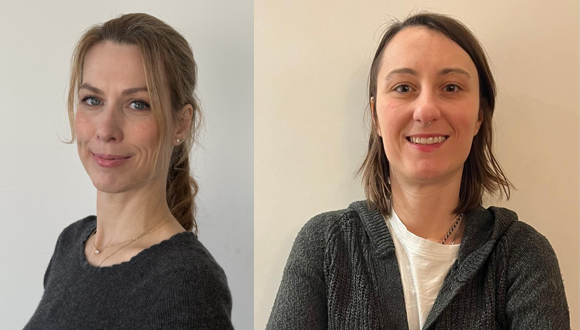
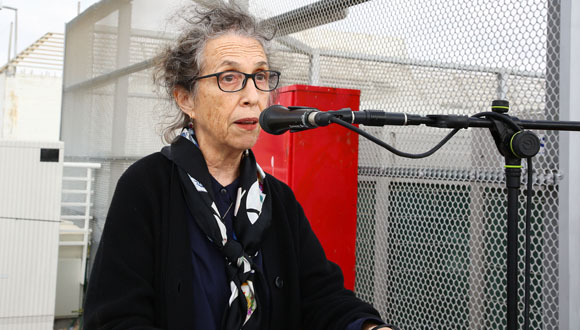
dr. Arik Rudnitzky

Dr Arik Rudnitzky

Empowering Women, Advancing Peace

TAU alumna establishes scholarship fund for women in Conflict Resolution and Mediation MA at TAU

The MA in Conflict Resolution and Mediation at Tel Aviv University is proud to announce the establishment of a new scholarship fund made possible by a generous donation from Alexandra Seaman, a Class of 2025 program alumna. 

The Alexandra Ruth Seaman Scholarship Fund will provide financial assistance to up to 3 deserving female students who demonstrate academic promise and a commitment to making a positive impact in their communities specifically through the arts, culture and women’s empowerment. 

“I believe deeply in the power of education, and the knowledge I gained through the program is truly priceless,” says Seaman. 

“I want more people to access what I had the privilege to learn. Understanding human nature and the mechanisms of conflict is more crucial than ever—not just for Israel, but for the world at large.”

With an initial contribution of US$25,000 a year for five years, the scholarship will support female students of all backgrounds who seek to become changemakers in their societies. 

“I also believe strongly in female empowerment,” she adds.

“I want to see more young women stepping into their unique roles and realizing their full potential.”

The scholarship selection will be coordinated in partnership with the program’s Admission Committee, and the first awards will be granted for the 2025/2026 academic year.

Alexandra Seaman (fourth from left) with Dr. Nimrod Rosler (fifth from left) and classmates in a Conflict Resolution class

Dr Nimrod Rosler, head of the MA in Conflict Resolution and Mediation, welcomed the announcement of the scholarship, thanking Alexandra Seaman for this important and meaningful contribution to future leaders globally striving for peace:

“This scholarship will open doors for students who may not otherwise have the opportunity to pursue their academic dreams. It is an investment not only in education, but in the future leaders globally.”—Dr. Nimrod Rosler.

Seaman’s own path to Tel Aviv University was unexpected, but rewarding: “A year ago I had been accepted into the MA in Global Studies at Berkeley, but I wasn’t able to get my student visa in time. I came to Israel to make Aliyah and began looking for a similar academic program so I wouldn’t lose a year that I have been allocated for studies already.” 

“I was immediately drawn to TAU’s Conflict Resolution and Mediation program, and, luckily, admissions were still open. It turned out to be one of the most meaningful decisions I’ve made.”

Seaman recalls that when she originally discovered the MA in Conflict Resolution, she spoke with her professional coach about it and was pleasantly surprised to learn that the program is considered one of the strongest in the field.

Conflict Resolution & Mediation students on one of the field trips that are included on the curriculum

Alexandra praises the program for its academic excellence and community spirit: “Our program truly felt like a family—I felt supported at every step. It went far beyond the professional excellence of Nimrod Rosler and his team, there was a profound sense of community deeply embedded in TAU’s DNA. That feeling of care and belonging became especially meaningful in the aftermath of October 7th.”

“One of the highlights of my experience is that my high expectations were not only met, but exceeded. I gained essential knowledge that enabled me to open a new chapter in my professional life.”

A lifelong humanitarian, Alexandra began her career as a television host before becoming a multidisciplinary media producer, leading social impact projects that address some of the world’s most urgent challenges, from environmental justice and climate change to human and animal rights. Her work reflects a broader vision for Israel and the region:

“My dream is to make Israel a blueprint for peaceful coexistence. I work toward that vision through my NGO, lov.foundation. Without the MA in Conflict Resolution & Mediation, I would never have fully understood what we need to do to help turn that dream into reality.” 

Alexandra Seaman, the founder of the Alexandra Ruth Seaman Scholarship Fund

Her passion for strengthening Israel’s educational ecosystem is equally clear. “I want Israel to have a strong educational system, with institutions so inspiring that the world looks to them as models,” she says.

“During my time on TAU’s campus, I noticed that nearly every building, garden, and corner bore the name of someone who shared that vision for Israel. But vision alone is not enough—you have to act on it. This scholarship is my small but meaningful step toward that future.”

Seaman holds a BA in Art History from Moscow State University and an MA in Conflict Resolution and Mediation from Tel Aviv University, with further studies at Christie’s Education. Her current focus lies in exploring how art and culture can serve as powerful tools for peacebuilding and global connection.

The Alexandra Ruth Seaman Scholarship Fund reflects her belief in action-driven leadership, inclusive education, and the transformative power of women-led change. It also aligns with the program’s ongoing mission to ensure that every student has the resources they need to understand and solve global conflicts. 

“We are part of a powerful and inspiring global community,” says Seaman about TAU alumni community. “I encourage each of us to be more proactive, to connect, and to join forces in strengthening Israel by supporting TAU and its mission. Together, we can make a real impact.”

For more information about the scholarship or how to apply, please visit the website. 


TAU Students Develop RNA-Based Therapy to Fight Lung Cancer

As part of 2025 iGEM competition, team prepares to highlight their work on global stage

A team of 12 Tel Aviv University (TAU) students, from undergraduates to PhDs, is currently developing a novel, RNA-targeted therapy for lung cancer. The project, Oncoligo, aims to disrupt cancer at its genetic roots, using advanced modeling and molecular biology to selectively kill cancer cells with minimal side effect; it will be presented October 28 to 31, 2025 on the global stage in Paris at the annual iGEM competition, the world’s largest showcase for synthetic biology.

A Team Built Across Disciplines

Led by Shir Shance and Idan Eyni, third-year undergraduate students in biotechnology and in biomedical engineering respectively, the TAU iGEM team brings together campus collaboration across disciplines like medical sciences, computer science, mathematics, biotechnology and biomedical engineering. 

“Synthetic biology is a combination of molecular biology and sophisticated engineering tools,” explains Eyni.

“So iGEM is really all about interdisciplinary teams and bringing all these different strengths together.”—Idan Eyni, biomedical engineering undergraduate

The TAU IGEM program was founded by Prof. Tamir Tuller from the engineering faculty (an expert in computational and synthetic biology), who is the lead supervisor of the program. The team is also supported by a scientific steering committee that includes Profs. Avigdor Eldar, Uri Gophna, Martin Kupiec and Itai Benhar.

Members of TAU’s iGEM team join Startup Nation Central for mentorship on entrepreneurship.

In addition, it is supported by an entrepreneurship committee that includes Yair Sakov (founder and managing director of TAU’s Entrepreneurship Center) and the team at Startup Nation Central. 

A New Approach to Cancer

Oncoligo targets a fundamental weakness in cancer cells: their faulty mRNA. Rather than trying to destroy cancer cells via their mutated – proteins, as many current therapies do, the team is working to target cancer cells via the mutations in the mRNA molecules. The key lies in molecules known as antisense oligonucleotides (ASOs), which can bind to mutated RNA and deactivate it.

“Think of DNA as a recipe book, RNA as like a single recipe out of this book … and the protein is the final dish.”—Shir Shance, biotechnology undergraduate

“In cancer cells, the DNA has mutations, meaning the recipe is often damaged, leading to defective proteins … and so we’re thinking about how to kill cells with errors in the recipe so the damaged, cancerous proteins can’t exist anymore,” explains Shance.

Oncoligo members in the lab (from left to right): Roni Zarakhovsky, Oren Haviv, Shir Shance and Gal Aziel.

By designing novel ASOs that specifically bind to cancerous mRNA, the team hopes to offer a therapy that selectively targets tumor cells while leaving healthy tissue unharmed. This approach diverts from most current therapies, which target the cancer cells via chemotherapy and other nonspecific methods. 

Powered by Modeling, Guided by Experimentation

One aspect that makes the project especially innovative is the use of computational modeling to design the most effective ASO sequences. 

Michael Kovaliov, a master’s student in applied mathematics, leads the modeling team. “RNA can be difficult to distinguish and so we want to build a computational model that knows how to target certain areas” he explains.

“So, we’re first coming up with the computational model … then running some sequences in vitro in an actual cell line to test how effective it is. Once we get our results, we plug them back into the computer, we analyze them, and we try to make the model better once again.”—Michael Kovaliov, graduate student in applied maths

The team is currently testing their ASOs in model organisms like yeast and in human cell lines, with plans to eventually move into human cancer cell lines in the months ahead. If successful, their approach could offer a template for developing RNA-targeting therapies across a range of cancers.

Building Community, Locally and Globally

In parallel, the team has helped organize ISRA-GEM, a local version of the iGEM competition that took place in June and invited Israeli high school and university students from across the country to submit their own synthetic biology projects. This year, the competition saw over 250 participants from both central and peripheral regions of Israel.

TAU’s iGEM team members award winners of the 2025 ISRA-GEM competition.

The team is also holding an international online meetup on August 28, connecting iGEM teams from more than 17 countries—including Egypt, France, India, Pakistan, the United Arab Emirates, Zimbabwe and Ghana. “The idea is to share ideas and collaborate and also practice for the iGEM grand final in Paris,” says Shance. 

Looking Ahead to Paris—and Beyond

With the main iGEM competition approaching, TAU’s iGEM team is focused on preparing a proof of concept and finalizing a research tool they’ve built to help others design ASOs for different diseases. While the team is hoping to once more bring home gold (TAU won a gold medal at last year’s competition), they’re also just excited for what the opportunity will bring.

“It’s a great experience for us to present our project and to reach other researchers from all over the world to learn from them.”—Idan Eyni. 

The TAU team additionally hopes that the iGEM competition marks the beginning of a lasting contribution to cancer research, one that can be continued in the form of a startup: “iGEM is designed to prepare you for the industry,” says Kovaliov. “Good science needs to come in conjunction with a coherent business plan; if this project matures enough, we would love to open a company.” 

Learn more about TAU’s 2025 iGEM team and the Oncoligo project.

Is This the Future of Burn Care?

TAU researchers and Sheba Medical Center developed bioengineered skin that accelerates healing time.

Researchers from Tel Aviv University and Sheba Tel Hashomer Medical Center have developed an innovative bioengineered skin equivalent for grafting in burn victims. The bioengineered skin produced from the patient’s cells is more stable, robust, and flexible than current treatments, making it easier to handle. A full-thickness wound model, it achieved wound closure in half the time of standard therapies. This pioneering study was driven by the ongoing war and the surge in severe burn injuries, which underscored the urgent need for better treatment solutions.

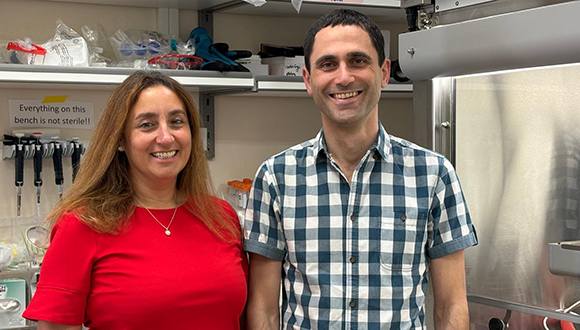
The groundbreaking study was led by Prof. Lihi Adler-Abramovich and PhD student Dana Cohen-Gerassi from the Laboratory for Bio-Inspired Materials and Nanotechnology at the Goldschleger School of Dental Medicine, at TAU’s Gray Faculty of Medical and Health Sciences, in collaboration with: Dr. Ayelet Di Segni, Director of the Sheba Tissue Bank and the Green Skin Engineering Laboratory at Sheba; Dr. Amit Sitt from TAU’s School of Chemistry, Faculty of Exact Sciences, Prof. Josef Haik, Head of the Plastic Surgery Division and National Burn Center at Sheba; Dr. Moti Harats, Head of the Israeli National Intensive Care Burn Center at Sheba; Dr. Marina Ben-Shoshan and Dr. Adi Liiani scientists from the Green Skin Engineering Laboratory at Sheba; Prof. Itzhak Binderman from TAU’s Goldschleger School of Dental Medicine and Prof. Yosi Shacham-Diamand from TAU’s Fleischman Faculty of Engineering, as well as PhD candidate  Tomer Reuveni and Offir Loboda from TAU. The paper was published in the prestigious scientific journal Advanced Functional Materials.

The research team from Tel Aviv University and Sheba Medical Center (From left to right): Dr. Amit Sitt, Dr. Marina Ben-Shoshan, Dr. Ayelet Di Segni, Prof. Lihi Adler-Abramovich & Dana Cohen-Gerassi.

“Surgical intervention is often essential for second-degree burns and above to restore skin, prevent infection, and save lives,” explains Prof. Lihi Adler-Abramovich. “The current gold-standard treatment is ‘autologous skin grafting’, in which healthy skin is harvested from another area of the patient’s body and transplanted onto the burn site. However, this approach has significant disadvantages, particularly the need to damage healthy tissue to treat the injury. This becomes especially problematic in cases of extensive burns, where the availability of intact skin is limited.”

Smart Skin That Heals You Faster

“One of the most advanced alternatives, currently offered in Israel only at Sheba Medical Center, is ‘cultured epidermal autograft’ (CEA). Instead of removing a large skin section, a small biopsy is taken, and cells extracted from that sample are cultured in the lab to produce skin grafts for transplantation. While this method avoids donor-site damage, it comes with several challenges: First, the skin cells are grown on a layer of mouse-derived feeder cells, requiring strict regulation to ensure no mouse cells remain in the graft; Second, once removed from the culture dish, the CEA shrinks by over 50%, significantly reducing yield up to 30 grafts may be needed to cover a single area, such as an arm or leg. Finally, the lab-grown skin consists of only the upper epidermal layer, making it extremely thin, fragile, and prone to curling at the edges.”

The need for advanced solutions is particularly urgent in wartime, with many soldiers suffering from burns. For both soldiers and civilians, a durable bioengineered graft could significantly improve chances for recovery and a good quality of life. “Since October 2023, Sheba has treated many young people with burn injuries,” says Dr. Ayelet Di Segni. “At such a time, bringing knowledge accumulated in the lab directly to the patient’s bedside becomes an urgent and tangible goal. We aim to develop a graft that can truly transform the process of recovery.”

Made from Your Own Cells

To address this challenge, researchers from Tel Aviv University and Sheba Medical Center collaborated to develop multi-cellular, multi-layered bioengineered skin grafts designed to mimic the properties and function of natural skin, without shrinking,  tearing upon contact, or relying on animal-derived additives.

“We designed a nanofiber scaffold made of a polymer called PCL, which is already FDA-approved, and combined it with a bioactive peptide – a short amino acid sequence that promotes cell adhesion, growth, and proliferation,” explains PhD student Dana Cohen-Gerassi. “We then seeded this scaffold with skin cells derived from a patient’s biopsy. Remarkably, the cells organized themselves naturally: fibroblasts populated one side of the scaffold, while keratinocytes grew on the other – mimicking the structure of real human skin.”

Dr. Marina Ben-Shoshan, senior researcher at Sheba’s Green Center for Skin Graft Engineering, adds: “Our graft is unique in that it does not shrink, and is durable, flexible, and easy to handle. Implantation in model animals has yielded impressive results, accelerating the healing process. While the standard treatment closes half of the burn wound in eight days, with our method, this took only four days. Moreover, we observed that essential skin structures, such as hair follicles, began to grow.”

Dr. Amit Sitt from TAU’s School of Chemistry adds: “The nanofiber scaffolds are made from easily available biocompatible materials and produced via a scalable spinning process. In the future, this will enable large-scale production of fiber sheets, as well as incorporation of additional substances to facilitate the healing process.”

Prof. Yossi Haik of Sheba Medical Center concludes: “The bioengineered skin we’ve developed represents a true breakthrough in burn care. Made entirely from the patient’s cells, it is strong, flexible, easy to handle, and significantly accelerates healing. This is a major step towards personalized therapies that can greatly improve the recovery and quality of life of severe burn victims, both soldiers and civilians. In the next phase, we plan to conduct trials in additional models and advance the necessary regulatory processes to bring this innovative technology closer to clinical application.”

Can CRISPR Make a Better Tomato?

Researchers from Tel Aviv University used CRISPR to edit thousands of genes in tomato plants.

Researchers from the School of Plant Sciences and Food Security at the Wise Faculty of Life Sciences at Tel Aviv University have developed a genetic editing method tailored to crop plants, which has influenced various traits in tomato plants, including the taste and shape of the fruit. The researchers believe this innovative technology can be applied to various crop species and may eventually be used to cultivate new and improved plant varieties. “We demonstrated that with our technology, it is possible to select specific traits and influence them, a capability that is essential for advancing agriculture and achieving food security,” the researchers stated.

The study was led by Prof. Eilon Shani, Prof. Itay Mayrose and PhD student Amichai Berman (School of Plant Sciences and Food Security at Tel Aviv University) together with PhD student Ning Su and Dr. Yuqin Zhang (University of Chinese Academy of Sciences in Beijing), and Dr. Osnat Yanai from the Israeli Agri-Tech company NetaGenomiX. The article was published in the prestigious journal Nature Communications.

Prof. Shani explains: “Researchers around the world are engaged in advancing agriculture in order to address accelerated global changes and feed the global population in the coming decades. Among other things, genetic editing technologies are being advanced to develop new plant varieties with desirable traits such as resistance to drought, heat, and disease, improved flavor, optimized nutrient usage, and more. One such method is CRISPR-Cas9, which has revolutionized the field of genetic editing by enabling the precise modification of specific genes in the genome.

However, in the realm of agricultural development, this method has encountered several fundamental challenges: Firstly, while CRISPR technology allows for targeted gene editing, until now, this capability was limited in scale – the number of genes that could be edited and studied was very small. In the current study, we significantly improved the method’s efficiency, enabling us to examine the roles of thousands of genes. Secondly, many plants exhibit ‘genetic redundancy’: different genes from the same family, composed of similar amino acid sequences, compensate for one another and preserve the trait even if one gene is deactivated or edited”.

PhD student Amichai Berman.

Amichai Berman: “To overcome genetic redundancy, we aimed to alter entire families of similar genes simultaneously. In a previous study, we developed a breakthrough solution to overcome the issue of genetic redundancy, a dedicated algorithm, and fed it a list of thousands of genes we wanted to edit. The algorithm identified a suitable CRISPR unit for each gene (or gene group) on the list that would induce the desired modification, thereby constructing CRISPR libraries. The first study achieved good results in the model plant Arabidopsis thaliana, and this time we sought to test the method in a crop plant for the first time. We chose the tomato.”

In the current study, the researchers built 10 libraries comprising approximately 15,000 unique CRISPR units targeting the tomato genome – each unit designed to affect a specific gene group from the same family. They then used the CRISPR units to induce mutations in around 1,300 tomato plants, each plant with an alteration in a different gene group. The researchers then tracked the development of each plant to examine whether the selected changes appeared in fruit size, shape, taste, nutrient utilization, or pest resistance. Indeed, the researchers identified several lines with sweetness levels either lower or higher than the control plants.

Prof. Shani concludes: “In this study, using our innovative method, we successfully made targeted genetic changes to gene families in the tomato plant, and identified precisely which genetic edits produced the desired result.” The Israeli Agri-Tech company NetaGenomiX has received a license to commercialize the new technology, with the goal of advancing food security by developing non-GMO crops adapted to the changing climate, providing benefits for both farmers and consumers.

Amichai Berman adds: “We believe our research opens the door to breeding improved varieties for a wide range of crops and also advances the field of plant science as a whole. In follow-up studies, we are working on developing additional selected traits in tomatoes and in rice.”

Large-Scale Functional Genomics in Tomato Using a High-Throughput Multi-targeted CRISPR Screening Approach. The tomato plant genome is divided into gene families. For each group of similar genes, a unique CRISPR unit is designed to alter their function (in total, over 15,000 CRISPR units were designed). These CRISPR units are delivered into tomato plants, which are then monitored for growth and development. In the final stage, plants exhibiting changes in selected traits are identified and genetically and physiologically characterized. This new approach enables the large-scale targeting of genetic redundancy within gene families, on the scale of hundreds of genes.

Stone Age BBQ: How Early Humans Preserved Meat with Fire

Did Early Humans Smoke Meat Million Years Ago?

Did prehistoric humans know that smoking meat could preserve it and extend its shelf life? Researchers from the Alkow Department of Archaeology and Ancient Near Eastern Cultures at Tel Aviv University believe they did. Their new study presents a fresh perspective on a question that has long preoccupied prehistory scholars: What prompted early humans to begin using fire? According to the researchers, early humans, who primarily consumed large game, required fire not for cooking, but to smoke and dry meat so that it would not rot, thereby preserving it for extended periods and keeping it safe from predators and scavengers.

Why Did Early Humans First Use Fire?

This insight fits into a broader unifying theory, developed by the same researchers, which explains many prehistoric phenomena based on human dependence on calories derived from large animals, alongside a continuous decline in the size of animals hunted throughout prehistoric periods. The study was conducted by Dr. Miki Ben-Dor and Prof. Ran Barkai of the Alkow Department of Archaeology and Ancient Near Eastern Cultures at Tel Aviv University and was published in the journal Frontiers in Nutrition.

Prof. Barkai explains: “The origins of fire use is a ‘burning’ topic among prehistory researchers around the world. It is generally agreed that by 400,000 years ago, fire use was common in domestic contexts—most likely for roasting meat, and perhaps also for lighting and heating. However there is controversy regarding the preceding million years, and various hypotheses have been put forward to explain why early humans began using fire. In this study, we sought to explore a new perspective on the issue”.

Dr. Ben-Dor adds: “For early humans, fire use was not a given, and at most archaeological sites dated earlier than 400,000 years ago, there is no evidence of the use of fire. Nevertheless, at several early sites, there are clear signs that fire was used, but without burnt bones or evidence of meat roasting. We understand that early humans at that time—mostly Homo erectus—did not use fire regularly, but only occasionally, in specific places and for special purposes. The process of gathering fuel, igniting a fire, and maintaining it over time required significant effort, and they needed a compelling, energy-efficient motive to do so. We have proposed a new hypothesis regarding that motive”.

Fire as a Shield Against Predators and Decay

The researchers reviewed the existing literature on all known prehistoric sites dated between 1.8 million and 800,000 years ago where evidence of fire use was found. There are nine such sites worldwide, including Gesher Benot Ya’aqov and Evron Quarry in Israel, six sites in Africa, and one site in Spain. Additionally, they relied on ethnographic studies of contemporary hunter-gatherer societies, aligning their behavior with the conditions that prevailed in ancient environments.

Dr. Ben-Dor: “We examined what the nine ancient sites had in common, and found that all contained large quantities of bones from large animals—mostly elephants, but also hippopotamuses, rhinoceroses, and others. From previous studies, we know that these animals were extremely important to early human diets and provided most of the necessary calories. The meat and fat of a single elephant, for example, contain millions of calories, enough to feed a group of 20–30 people for a month or more. A hunted elephant or hippopotamus was thus a real treasure—a kind of meat and fat ‘bank’ that needed to be protected and preserved for many days since it was coveted not only by predators but also by bacteria”.

An analysis of the findings and calculations of the significant energetic advantage of preserving meat and fat led the researchers to a new conclusion, never before proposed: fire served two vital purposes for early humans—first, to guard the large game from other predators and scavengers seeking to seize the ‘treasure’, and second, to preserve the meat through smoking and drying, preventing spoilage and making it edible for a long period.

Prof. Barkai concludes: “In this study, we propose a new understanding of the factors that motivated early humans to begin using fire: the need to safeguard large hunted animals from other predators, and to preserve the vast quantity of meat over time. It is likely that once the fire was produced for these purposes, it was also occasionally used for cooking—at zero marginal energetic cost. Such use may explain evidence of fish roasting from around 800,000 years ago at Gesher Benot Ya’aqov. The approach we propose fits well into a global theory we have been developing in recent years, which explains major prehistoric phenomena as adaptations to the hunting and consumption of large animals, followed by their gradual disappearance and the resulting need to derive adequate energy from exploiting smaller animals”.

Prof. Ran Barkai.

Finding Kant in New Haven

TAU Fox Fellow bridges Israeli and American academic worlds at Yale

Meet Attay Kremer, a PhD student in the Department of Philosophy at Tel Aviv University, currently pursuing research into German philosophy—with a focus on Kant—at Yale as a Fox International Fellow. Throughout this academic year, he is taking part in events across the Ivy League campus and joining Fox Fellowship seminars to exchange ideas and experiences with Fellows from around the world.

About the Fox Fellowship

The Fox International Fellowship is a prestigious exchange program between Yale University and 20 partner institutions worldwide, including Tel Aviv University. The program seeks excellent PhD students who are passionate about connecting with renowned faculty and making a global impact for a better world through scholarly exchanges and collaboration. 

The fellowship serves as an academic bond between nations through global-civic discourse, cultivating spaces and conversations for future leaders on a wide-reaching, cross-cultural scale. 

At Tel Aviv University, Kremer has been selected for the Fox International Fellowship on the strength of his research proposal and personal leadership qualities. 

Yale Experiences

During his time at Yale, Kremer has immersed himself in the philosophy department, attending various colloquia that involve discussion sessions and lectures. 

“Part of the benefit of being at Yale is that a lot of speakers come around—that opens you up to new directions.”

He has also been part of a German philosophy reading group that meets weekly. “We’ve been reading Nietzsche,” Kremer shares. “It’s quite a good exercise. It’s also reading it in German, which is nice. Tends to happen less so in Israel than does here.”

Yale campus (photo credit: f11photo on istock)

The fellowship has allowed Kremer to connect with other scholars working on German philosophy and to take advantage of extensive library resources at Yale. He also appreciates the welcoming atmosphere at the department and the university as a whole:

“I get the sense that most of the PhD students are very close knit and they are quite good at welcoming newcomers”

Kremer feels that being at Yale has helped him clarify the audience of his research. “I think it’s quite helpful in adjusting how you position things and how you frame them to know who it is that you’re speaking to, and what this audience looks like and speaks like outside of the publications.”

Overall, Kremer has been able to make great strides while in New Haven. “It’s a very small place with little going on. You can really focus on your research,” he notes. He has been able to attend several conferences and publish some papers.

“I’m nearing the end of my PhD. So it was a very productive decision to come to Yale.”

Studying Philosophy, American Style

One fascinating aspect of Kremer’s experience has been noticing the differences between American and Israeli academic approaches to philosophy: “In the American style, there is a big focus on technical precision, it’s noticeable.”

He elaborates with an example: “When we were reading Nietzsche, one of the people in the group was reading it with a scan of Nietzsche’s original draft in his handwriting. And every now and then he would make a comment about where the new edition of the German that we were reading deviates from the original, where Nietzsche kind of strikes out a word where he maybe chose a different word and then regretted that.”

Highlights and Challenges

A highlight for Attay was presenting at a conference organized by Yale scholars. The experience helped him bond with the community and better understand how they communicate: “When you speak and have to manage the Q&A, it clues you into how that community works.”

When asked about challenges, Attay primarily mentions the inherent difficulties of living abroad: “Unless you’re traveling with your family, you’re going to be 10 months in a foreign country by yourself, and there’s some loneliness involved in that.”

Regarding concerns some might have about being an Israeli scholar on American campuses, Attay notes: “I can say quite safely that at Yale, this is not a real issue.”

“People have been fairly open with me about their political views. And they can be from anywhere on the political spectrum, but it’s not led into personal lines at all.”

Feeling Supported

Yale provides robust support for international students like Attay. The Fox Fellowship offers housing, placing him in an apartment with two other fellows. “The program itself is quite helpful: if we need something around the house that we don’t know how to get, we can contact them and they help us,” he explains.

A meeting of Fox Fellows at Yale

There’s also institutional support through the Office of International Students and Scholars, which is a body of Yale that manages issues to do with international researchers. “A lot of the people here are not Americans, and the university makes a lot of effort to help you be part of something,” says Kremer.

“Yale is very well equipped to welcome international people and more specifically, there’s a very strong Jewish community.”

Advice for Future Applicants

For potential Fox Fellowship applicants, especially those from humanities backgrounds, Attay suggests preparing to balance two different academic personalities.

First, be ready to translate your work for a more social science-oriented audience of Fox fellows: “In the humanities, different things interest you than in the social sciences—there’s a different granularity to the way you talk. Social scientists tend to be more concrete about things, and much less conceptual, much more real world.”

His key advice: “Prepare to translate yourself a little” and focus on making your ideas more accessible to scholars from different disciplines.

“Presenting at the Fox Fellowship seminar is a good opportunity for working on concretizing your ideas.”

Second, engage fully with Yale’s rich humanities environment: “There’s lots to see, lots to hear, and there is a great opportunity to take books from the library.” He also encourages everyone to attend events happening on campus.

“It’s a very rich academic environment, and the humanities are very strong at Yale.”

The Fox International Fellowship is open to Tel Aviv University’s PhD students from the following fields:

  • Management
  • Law
  • Social Science
  • Humanities
  • Public Health
  • Environmental Studies

Read more about the fellowship

TAU Honors Ten Visionaries with Honorary Doctorates and Fellowships

Honorees include scientists, journalists, industry leaders, philanthropists, a social activist, and Israel’s national orchestra – recognized for their exceptional contributions to science, culture, society, and peace.

At a moving and festive ceremony, Tel Aviv University awarded honorary doctorates and fellowships to ten extraordinary individuals and organizations in recognition of their outstanding contributions to science, culture, the economy, society, and peace.

The recipients include renowned scientists, journalists, industry leaders, philanthropists, social activists, and Israel’s national orchestra — all honored for their impactful work and embodiment of TAU’s core values: innovation, academic excellence, and public engagement.

Dan Holzmann – Entrepreneur, Investor, and Philanthropist
TAU awarded an honorary doctorate to Dan Holzmann for his pioneering achievements over more than three decades as a businessman, entrepreneur, investor, and philanthropist. Holzmann has launched successful ventures across sectors ranging from real estate and sports management to AI-powered cosmetics. Through the Holzmann Foundation, he has supported over 50 educational and social organizations worldwide. He is also recognized for his commitment to empowering the next generation of Israeli entrepreneurs — particularly TAU students — through initiatives like the “Launchpad Dan” program on campus.

Dr. Yael Admi – Peace Activist and Software Engineer
Dr. Yael Admi, a leading voice in cross-cultural dialogue in Israel, received an honorary doctorate in recognition of her remarkable efforts to promote reconciliation and civic courage. She is a co-founder of “Women Wage Peace,” Israel’s largest grassroots peace movement, and a former chair of the Israeli-Palestinian Bereaved Families Forum. With a background in software engineering and AI, Dr. Admi has combined technological expertise with decades-long peace activism to build trust and foster a more equal and responsible society.

Gideon Hamburger – President of Harel Insurance and Advocate for Higher Education
TAU honored Gideon Hamburger for his long-standing contributions to Israel’s insurance industry and for his philanthropic leadership in academia and culture. Together with his brother Yair, he established the Harel Center for Capital Market Research and the Harel Institute for Actuarial Innovation at TAU’s Coller School of Management. Beyond his business achievements, Hamburger holds prominent roles in major Israeli cultural institutions, including the Israeli Opera, the Tel Aviv Museum of Art, Variety Israel, and the Weizmann Institute of Science.

Israel Philharmonic Orchestra – Cultural Icon and Academic Partner
The Israel Philharmonic Orchestra was awarded an Honorary Fellowship for its immense contribution to Israeli and global culture over nearly 90 years. Founded in 1936 to provide refuge for Jewish musicians fleeing Europe, the IPO has performed with world-class conductors and soloists ever since. The orchestra is a key partner in TAU’s Buchmann-Mehta School of Music, where it plays a vital role in training the next generation of musicians. Maestro Lahav Shani, the IPO’s current Music Director, is a graduate of the school.

Prof. Miranda A. Schreurs – Global Environmental Policy Leader
A distinguished scholar in environmental policy and sustainability, Prof. Miranda Schreurs of the Technical University of Munich received an honorary doctorate for her research and public service. Known for her cross-continental efforts to promote climate action, Prof. Schreurs serves in influential advisory roles across Europe. TAU recognized her for advancing global academic discourse at the intersection of science, policy, and environmental justice — and for her ongoing collaborations with institutions worldwide, including TAU.

Yair Hamburger – Chairman, Business Leader, and Philanthropist
Yair Hamburger, Chairman of Harel Insurance and Finance Group, was honored for his leadership in Israel’s financial sector and for his social impact through broad philanthropic engagement. His initiatives in education, the arts, and public health reflect a lifelong commitment to improving Israeli society. At TAU, he has played a key role in establishing research centers that shape the future of economics and actuarial science. His honorary doctorate recognizes over 50 years of visionary leadership and civic dedication.

Danna Azrieli – Chairwoman of the Azrieli Group and Azrieli Foundation
Businesswoman, real estate developer, and philanthropist Danna Azrieli was honored for her visionary leadership of Israel’s largest real estate group and her extensive philanthropic activity in education, health, and Jewish identity. Under her leadership, the Azrieli Group expanded into senior housing and data centers internationally. The honorary doctorate also acknowledges her long-standing support of TAU’s Azrieli School of Architecture and her role in cultivating Israel’s next generation of architects and builders.

Thomas L. Friedman – Award-Winning Journalist and Commentator
Thomas Friedman, one of the world’s most influential journalists, received an honorary doctorate for his exceptional role in shaping public discourse on the Middle East, globalization, and foreign policy. A longtime New York Times columnist and three-time Pulitzer Prize winner, Friedman has helped global audiences better understand Israel’s regional dynamics. TAU recognized him for his enduring friendship with Israel and his meaningful connection to Tel Aviv University, where his sister once studied — a trip that first sparked his lifelong interest in the region.

Prof. Stephen (Steve) Quake – Pioneering Bioengineer and Innovator
Prof. Steve Quake of Stanford University was honored for transforming modern biology and medicine through groundbreaking technologies — including rapid DNA sequencing and the first non-invasive prenatal test for Down syndrome. He currently serves as Head of Science at the Chan Zuckerberg Initiative and co-leads the Biohub, a cutting-edge biomedical research center. TAU recognized his revolutionary scientific work, his mentorship of young researchers, and his active collaboration with Israeli scientists.

Jonathan R. Goodman – Pharmaceutical Entrepreneur and Philanthropist
Jonathan Goodman was awarded an honorary doctorate for his outstanding contributions to the pharmaceutical industry and his deep commitment to social impact. Founder and former CEO of Paladin Labs and current Executive Chair of Knight Therapeutics, Goodman has also led major philanthropic initiatives in climate, education, cancer research, and Jewish communities worldwide. His support of TAU and his dedication to Israel’s development reflect a powerful blend of entrepreneurial drive and civic responsibility.

Unlocking Quantum Mysteries with Pendula

Pendulum Experiment Sheds Light on Quantum Mysteries in Topological Materials, Revealing Insights Unreachable by Traditional Methods

A recent study conducted at Tel Aviv University has devised a large mechanical system that operates under dynamical rules akin to those found in quantum systems. The dynamics of quantum systems, composed of microscopic particles like atoms or electrons, are notoriously difficult, if not impossible, to observe directly. However, this new system allows researchers to visualize phenomena occurring in specialized “topological” materials through the movement of a system of coupled pendula.

The research is a collaboration between Dr. Izhar Neder of the Soreq Nuclear Research Center, Chaviva Sirote-Katz of the Department of Biomedical Engineering, Dr. Meital Geva and Prof. Yair Shokef of the School of Mechanical Engineering, and Prof. Yoav Lahini and Prof. Roni Ilan of the School of Physics and Astronomy at Tel Aviv University and was recently published in the Proceedings of the National Academy of Sciences of the USA (PNAS)

Exploring Quantum Wave Phenomena

Quantum mechanics governs the microscopic world of electrons, atoms and molecules. An electron, which is a particle that moves in an atom or in a solid, may have properties that give rise to wave-like phenomena. For instance, it may demonstrate a probability of dispersing in space similar to waves spreading out in a pool after a stone is thrown in, or the capability to exist simultaneously in more than one place.

Such wave-like properties lead to a unique phenomenon that appears in some solid isolators, where even though there is no electric current through them, and the electrons do not move due to an external electric voltage, the internal arrangement of the material shows up in a state referred to as “topological”. This means that the wave of electrons possesses a quantity that can “close on itself” in different ways, somewhat like the difference between a cylinder and a Möbius strip. This “topological” state of the electrons, for which the 2016 Nobel Prize in Physics was awarded, is considered a new state of matter and attracts much current research.

Chaviva Sirote-Katz

Despite the theoretical interest, there is a limitation in measuring these phenomena in quantum systems. Due to the nature of quantum mechanics, one cannot directly measure the electron’s wave function and its dynamical evolution. Instead, researchers indirectly measure the wave-like and topological properties of electrons in materials, for instance by measuring the electrical conductivity at the edges of solids.

In the current study, the researchers considered the possibility of constructing a sufficiently large mechanical system that would adhere to dynamical rules akin to those found in quantum systems, and in which they could directly measure everything. To this end, they built an array of 50 pendula, with string lengths that slightly varied from one pendulum to the other. The strings of each neighboring pair of pendula were connected at a controlled height, such that each one’s motion would affect its neighbors’ motion.

Quantum Pendulum Insights

On one hand, the system obeyed Newton’s laws of motion, which govern the physics of our everyday lives, but the precise lengths of the pendula and the connections between them created a magical phenomenon: Newton’s laws caused the wave of the pendulum’s motion to approximately obey Schrödinger’s equation – the fundamental equation of quantum mechanics, which governs the motion of electrons in atoms and in solids. Therefore, the motion of the pendula, which is visible in the macroscopic world, reproduced the behaviors of electrons in periodic systems such as crystals.

The researchers pushed a few pendula and then released them. This generated a wave that propagated freely along the chain of pendula, and the researchers could directly measure the evolution of this wave – an impossible mission for the motion of electrons. This enabled the direct measurement of three phenomena. The first phenomenon, known as Bloch oscillations, occurs when electrons within a crystal are influenced by an electric voltage, pulling them in a specific direction. In contrast to what one would expect, the electrons do not simply move along the direction of the field, but they oscillate back and forth due to the periodic structure of the crystal. This phenomenon is predicted to appear in ultra-clean solids, which are very hard to find in nature. In the pendula system, the wave periodically moved back and forth, exactly according to Bloch’s prediction.

The second phenomenon that was directly measured in the pendula system is called Zener tunneling. Tunneling is a unique quantum phenomenon, which allows particles to pass through barriers, in contrast to classical intuition. For Zener tunneling, this appears as the splitting of a wave, the two parts of which then move in opposite directions. One part of the wave returns as in Bloch oscillations, while the other part “tunnels” through a forbidden state and proceeds in its propagation. This splitting, and specifically its connection to the motion of the wave in either direction, is a clear characteristic of the Schrödinger equation.

In fact, such a phenomenon is what disturbed Schrödinger, and is the main reason for the suggestion of his famous paradox; according to Schrödinger’s equation, the wave of an entire cat can split between a live-cat state and a dead-cat state. The researchers analyzed the pendula motion and extracted the parameters of the dynamics, for instance, the ratio between the amplitudes of the two parts of the split wave, which is equivalent to the quantum Zener tunneling probability. The experimental results showed fantastic agreement with the predictions of Schrödinger’s equation.

The pendula system is governed by classical physics. Therefore, it cannot mimic the full richness of quantum systems. For instance, in quantum systems, the measurement can influence the system’s behavior (and cause Schrödinger’s cat to eventually be dead or alive when it is viewed). In the classical system of macroscopic pendulum, there is no counterpart to this phenomenon. However, even with these limitations, the pendula array allows the observation of interesting and non-trivial properties of quantum systems, which may not be directly measured in the latter.

The third phenomenon that was directly observed in the pendula experiment was the wave evolution in a topological medium. Here, the researchers found a way to directly measure the topological characteristic from the wave dynamics in the system – a task that is almost impossible in quantum materials. To this end, the pendula array was tuned twice, so that they would mimic Schrödinger’s equation of the electrons, once in a topological state and once in a trivial (i.e. standard) state. By comparing small differences in the pendulum motion between the two experiments, the researchers could classify the two states. The classification required a very delicate measurement of a difference between the two experiments of exactly half a period of oscillation of a single pendulum after 400 full oscillations that lasted 12 minutes. This small difference was found to be consistent with the theoretical prediction.

The experiment opens the door to realizing further situations that are even more interesting and complex, like the effects of noise and impurities, or how energy leakage affects wave dynamics in Schrödinger’s equation. These are effects that can be easily realized and seen in this system, by deliberately perturbing the pendula motion in a controlled manner.

Tel Aviv University Inaugurates the Gray Faculty of Medical & Health Sciences

The $125 million gift from the Gray Foundation is set to transform the University’s medical education and research

Tel Aviv University made history today with the naming of its new Gray Faculty of Medical & Health Sciences, Gray School of Medicine, and Gray School of Medical Sciences. The generous donation from the Gray Foundation – the largest ever to TAU – will significantly expand capacity at the Faculty of Medical and Health Sciences, improve access for students and elevate the quality of education, training and research.

At the festive ceremony held on campus in the presence of President of Israel Isaac Herzog and First Lady Michal Herzog, Gray Foundation co-founders Jon and Mindy Gray said: “We know that there has always been so much promise in this Promised Land, despite – or maybe because of – its greatest challenges. We could think of no better place to start planting a few seeds of promise than the amazing medical faculty here at Tel Aviv University.”

A TAU alumnus himself, together with his wife, Michal, President Herzog said to the Grays that at this “critical point in Israel’s 77-year-old history …  you chose to reach out and have our backs. What a profound statement of solidarity and optimism.”

TAU President Prof. Ariel Porat told the audience: “The Gray donation is a vote of confidence in Tel Aviv University, in Israeli academia, in Israeli science–in fact, in the State of Israel and its future.”

Read Prof. Ariel Porat’s letter of gratitude to the Gray Family >

Also participating in the ceremony were Mrs. Dafna Meitar-Nechmad, Chairwoman of the TAU Board of Governors; Prof. Mark Shtaif, TAU Rector; Prof. Karen B. Avraham, Dean of the Gray Faculty of Medical & Health Sciences; other TAU academic leaders and TAU Governors and friends.

Presenting the TAU certificate of appreciation to Jon and Mindy Gray. (Photo credit: Yuval Yosef)

A quantum leap in education and research

The Grays’ transformative gift, the third largest to any Israeli academic institution, includes funding for: 

–    A new 600-bed dormitory, with preference given to underprivileged students
–    New advanced teaching and research facilities
–    Modernization of the Schools of Medicine and Dentistry
–    Scholarships for underrepresented groups 
–    Support for faculty recruitment and retention
–    BRCA research and collaboration
–    Creation of a memorial for the victims of October 7th 

Prof. Ariel Porat: “The Gray family’s generous gift will enable us to make a true ‘quantum leap’  in both medical education and research. In honor of this gift, the Faculty will be named the Gray Faculty of Medical and Health Sciences. I believe and hope this gift will inspire many others to follow their example.”

Mindy and Jon Gray: “We’ve been searching for a way to make a meaningful impact in Israel since the tragic events of October 7th. We can think of no better way to accelerate healing than by supporting an institution that touches the lives of so many. This gift will expand Tel Aviv University’s capacity to educate new healthcare professionals, including underrepresented students, and create state-of-the-art research facilities, building on our longtime support for medical research and access to higher education.”

The signing ceremony. (Photo credit: Yuval Yosef)

Dean Karen Avraham: “Thanks to the remarkable support of Mindy and Jon Gray and the Gray Foundation, we will take our medical training and research complex to a new level of excellence, enabling Tel Aviv University to train future clinicians and researchers to lead Israeli healthcare and global science. We will foster the next generation of medical innovators in rapidly evolving fields – from diagnostics and personalized treatment to healthcare delivery and biomedical research.”

Addressing Israel’s acute doctor shortage

Recent reports show that the number of doctors and medical school graduates in Israel is well below the average for OECD nations. The country faces additional pressure from looming retirements, with 25% of current doctors over the age of 67 and nearly half over 55. Israel’s Ministry of Health has prioritized increasing enrollment in medical schools, with a strategic plan to reach 2,000 new incoming students per year by 2030. 

This gift allows TAU – the largest training institution for doctors in Israel – to increase the number of new medical students by approximately 25%. In addition to doctors, TAU will also aim to increase the number of students in the overall Faculty of Medical and Health Sciences by approximately 20%, training thousands of nurses, therapists, dentists, and other healthcare professionals.

TAU plays a central role in Israel’s healthcare system through its partnership with 18 hospitals and alumni working across most hospitals in the country.

Access to medical education

To dramatically improve access for students, the Grays’ gift will help create a new 600-bed dormitory and additional scholarship opportunities. This will include targeted support and recruiting efforts for underrepresented groups at TAU who have faced challenges with housing costs and access. In particular, TAU will aim to double the number of Arab Israeli students at the School of Medicine.

Further expanding the pool of medical students, while elevating the quality of training for all in the Faculty of Medical and Health Sciences, will ultimately improve care for communities across Israel.

Boosting innovation and discoveries

This gift will enable a comprehensive renovation of existing medical and health sciences facilities, along with the creation of new world-class research laboratories. It also provides for strategic investment to attract and retain leading biomedical scientists from around the world. 

One area of focus will be TAU’s work in BRCA-related cancers, which disproportionately impact the Ashkenazi Jewish community, nearly one-third of the Israeli population. 

(photo credit: Yuval Yosef)

Gray Foundation’s support 

The Gray Foundation has a dual mission of accelerating research, awareness, and treatment for individuals and families who have inherited BRCA mutations, as well as expanding access to education, healthcare, and opportunity for low-income youth in New York City. 

In 2012, the Grays created the Basser Center at Penn Medicine’s Abramson Cancer Center, the first center in the world exclusively focused on BRCA cancers. The Foundation has also supported programs focused on careers in medicine at CUNY School of Medicine, Montefiore Einstein, Mount Sinai, Memorial Sloan Kettering, among others.

In 2024, the Foundation helped launch a holocaust education program for students at the Museum of Jewish Heritage in New York, and the Grays have been long-time supporters of UJA and other Jewish organizations.

Victoria

Phone: +61 3 9296 2065
Email: office@aftau.asn.au

New South Wales

Phone: +61 02 7241 8711
Email: admin@aftau.org.au

Western Australia

Phone: :+61 0418 46 5556
Email: davidsolomon@aftau.org.au