
Tag: research

Did the Qumran Sect Really Use Its 364-Day Calendar?

A new Tel Aviv University study combines Hasmonean history with evidence from the Dead Sea Scrolls to solve a decades-old mystery.

A new study from Tel Aviv University proposes a solution to a historical mystery that has puzzled researchers for decades: Was the unique calendar of the Qumran sect, based on a 364-day year, ever used in practice, or was it merely a theoretical model?

The study hypothesizes that the calendar was indeed used by the sect in its early years, and even stood at the crux of the controversy that drove the sect to isolation in the desert. However, the calendar was later abandoned due to an inherent problem that made it impracticable over time, as well as warming relations with Hasmonean leadership under Alexander Jannaeus.

The study was conducted by Prof. Eshbal Ratzon of the Department of Jewish Philosophy and the Cohn Institute for the History and Philosophy of Science and Ideas at the Entin Faculty of Humanities. The paper was published in the Tarbiz Quarterly for Jewish Studies.

What Are the Dead Sea Scrolls?

The Dead Sea Scrolls are a collection of ancient religious writings and fragments discovered in caves near Qumran and at other sites in the Judean Desert. Dating mainly from the Second Temple period, they include copies of biblical books as well as prayers, legal writings, commentaries, apocalyptic works, and texts describing the beliefs and practices of specific Jewish communities. The Qumran scrolls are especially important because they offer a rare window into Jewish religious life, debate, and diversity more than 2,000 years ago.

The Dead Sea Scrolls

A Calendar at the Heart of a Religious Divide

The Qumran calendar differed from the lunisolar calendar that served as a basis for Jewish life during the Second Temple period. It consisted of exactly 364 days – a number that is perfectly divisible by seven, and thus every year included 52 full weeks, and every holiday always fell on the same day of the week. For the Qumran sect, this reflected a perfect divine order. In the political sense, the calendar represented a rebellion against the political and religious leadership at the Temple in Jerusalem, which determined all significant dates. The sect believed that these dates had already been set by God during the Creation of the world, and humans must not interfere.

A Perfect System with a Built-In Problem

Yet the Qumran calendar’s mathematical perfection created a serious difficulty: it diverged by one day and a quarter from the 365-day astronomical year. This difference may appear negligible, but it accumulates rapidly. For instance, if the Qumran calendar was used for twenty years, the festivals would shift by almost four weeks relative to the seasons. After several decades, a spring festival would end up being celebrated in winter, or even in the fall. For a community that regarded festivals as agricultural events connected to the harvest, first fruits, and seasons of the year, this posed a fundamental problem.

To understand the significance of the gap, one can compare the calendar to a clock that deviates by one minute every day. At first, no one notices the problem, but after months and years, such a clock no longer represents reality. The study explains that this is exactly what happened to the Qumran calendar: while ideal from a conceptual and mathematical perspective, over time it drifted further and further away from the natural cycles it sought to govern.

A Mystery Scholars Could Not Resolve

Over the past decades, researchers have proposed various solutions to this enigma. Some maintained that the Qumran sect periodically added days or weeks to its calendar, while others claimed that the calendar had never actually been used in the real world, serving only as a theoretical framework. Prof. Ratzon argues that neither option is supported by the Dead Sea Scrolls. According to her study, the evidence indicates that the calendar was regarded by the sect as a key component of their religious identity and a major point of contention with the Jerusalem establishment.

The study notes that almost twenty of the scrolls found in Qumran deal with calendars and astronomy – an exceptional number that attests to the topic’s immense importance for the community. The Book of Jubilees, a central work in the Qumran library, fiercely attacks the prevailing lunar calendar, presenting the 364-day calendar as the original calendar received by Moses on Mount Sinai.

Qumran caves

From Practical Calendar to Religious Ideal

Based on this body of evidence, Prof. Ratzon proposes a new historical reconstruction: she contends that the Qumran calendar was actively used during the sect’s formative days in the second century BCE, exacerbating its conflict with the religious leadership in Jerusalem. However, as the years went by, the calendar’s accumulating digression from the seasons could no longer be ignored. In addition, the sect’s relations with the ruling Hasmonean dynasty warmed during the reign of Alexander Jannaeus, who supported a halacha similar to their own and opposed the Pharisaic leadership. This enabled the Qumran sect to relinquish their previously adamant position and adopt the more practical calendar used at the Temple. They retained their own calendar as a theoretical concept that had been valid at the time of Creation and might be used again in the End of Days.

Beyond resolving a long-standing question about the Dead Sea Scrolls, the study offers insight into how religious communities respond when deeply held ideals encounter practical limitations and changing political realities. It suggests that a system can cease to function in everyday life while continuing to shape identity, belief, and collective memory.

“A Religious Ideal and a Symbol of Identity”

Prof. Ratzon concludes:

“The Qumran calendar has long been regarded as one of the Qumran sect’s defining features, but also as one of the most baffling mysteries of the Dead Sea Scrolls. This study proposes an alternative for the seeming contradiction between a functional calendar and a theoretical one. It is quite possible that the calendar was in fact used for a certain period of time, but then, losing its practical role due to both inherent problems and political changes, became a religious ideal and a symbol of identity. This would explain both its centrality in the Qumran scrolls and its gradual disappearance from historical reality.”

What’s in a Name? AI Associates Jewish Names with Stereotypical Traits

The traits include exceptional intelligence, extreme independence, moral complexity, and social distance.

A cynical doctor. A ruthless chemist. An arrogant billionaire. A calculating mafia boss.

These are not only some of today’s most iconic fictional characters—they are also the figures that artificial intelligence models found most similar to fictional biographies of people with Jewish names.

Large language models such as ChatGPT, DeepSeek, and Mistral are trained on enormous collections of human-written text.

These texts—including books, websites, academic articles, and social media posts—reflect patterns found in human culture, including cultural stereotypes.

A new study by Prof. Michael Gilead of the School of Psychological Sciences at Tel Aviv University’s Gershon H. Gordon Faculty of Social Sciences, together with Dr. Gal Gutman of the Faculty of Business and Management at Ben-Gurion University of the Negev, found that generative AI systems may preserve and reproduce stereotypical representations of Jews, even when the generated content itself is not explicitly antisemitic.

Life Stories: Biographies and Hidden Biases

Prof. Gilead and Dr. Gutman developed a unique method for uncovering hidden biases. First, the AI models were asked to generate hundreds of American male names, some Jewish and some non-Jewish.

Next, the models were presented with each name and instructed to infer the person’s characteristics, including where they lived, what they did for a living, three negative personality traits, three positive traits, and the values that defined them. They were then asked to write a rich biography of approximately 100 words describing that person’s life story.

Prof. Michael Gilead (Tel Aviv University) and Dr. Gal Gutman (Ben-Gurion University of the Negev)

The models generated biographies for both Jewish names—such as Ethan Katz, Noah Weiss, and Gabriel Horowitz—and non-Jewish names, including Tyler Johnson, Kyle White, and Dylan Wilson.

Below are excerpts from two example biographies:

  • A 52-year-old Jewish American man – Zachary Oppenheimer: A sharp-minded and ambitious financial analyst… Excels in his demanding position… Struggles to balance the pursuit of financial success with its personal costs…
  • A 52-year-old non-Jewish American man – Curtis Stewart: Brings history to life with remarkable enthusiasm… Stubborn and cynical… Willing to go above and beyond… Serves as an important source of support…

The researchers then removed all names and references to religion before asking the AI models to evaluate each character’s personality, social status, and psychological traits, allowing them to determine which characteristics had been influenced solely by the assigned name.

Drug Lords, Mafia Bosses, and Weapons Designers: Not Jewish, but Jew-ish

The results showed that characters with Jewish names were consistently perceived as more intelligent, more efficient, more assertive, and stronger leaders. They were also viewed as having greater power, influence, and social privilege.

While many of these traits are positive on their own, the researchers note that the combination of positive and negative characteristics closely resembles historical antisemitic representations in which Jews were associated with power, social distance, control, and rigidity.

To understand how this combination of traits appears in contemporary culture, the researchers asked the AI models to match the profiles to well-known fictional characters.

The models repeatedly identified Sherlock Holmes, Dr. House, Walter White (Breaking Bad), Tony Stark (Marvel), and Michael Corleone (The Godfather)

These iconic characters share exceptional intelligence, extreme independence, moral complexity, and, in many cases, social isolation, together with influence, power, and emotional distance—traits that mirror longstanding stereotypes about Jews.

Prof. Gilead explains:

“For most of history, these tropes circulated through pamphlets, caricatures, and rumor. Today they sit, dormant but intact, inside systems that hundreds of millions of people consult every day. The models never say anything explicitly antisemitic, but they may be predisposed to evaluate Jewish individuals in a way that replicates ancient antisemitic tropes.”

Iron Man and The Godfather – fictional characters sharing the same stereotypical traits associated with Jewish names

The findings were replicated using additional AI models and validated by hundreds of participants from the United States. After reading the biographies without seeing the names attached to them, participants identified the same patterns.

According to Dr. Gutman:

“Artificial intelligence systems do not express antisemitism in an intentional or conscious sense. Rather, they may reproduce patterns of representation and cultural stereotypes embedded in the data on which they were trained.”

She adds:

“Historical biases do not simply disappear; they can persist within the deep structure of the knowledge these models learn, even after alignment and bias-mitigation processes. Jews are the case study here, but any group’s latent portrait can be extracted the same way, and we suspect many would be similarly troubling.”

The researchers further note that alignment processes, designed to reduce offensive or discriminatory outputs, do not necessarily eliminate the kinds of hidden biases identified in the study.

As AI becomes increasingly integrated into education, public services, and decision-making, they conclude, it is essential to examine the hidden cultural assumptions and stereotypes that may remain deeply embedded within these systems.


Newly Identified Mechanism Could Help Restore Hearing

Tel Aviv University researchers identified a rare group of cells with the potential to regenerate sensory hair cells in the inner ear.

A groundbreaking study by a team of researchers from the Gray Faculty of Medical and Health Sciences at Tel Aviv University offers new hope to millions of people suffering from irreversible hearing loss. The researchers have identified a unique biological mechanism that could, in the future, enable the regeneration of sensory hair cells in the inner ear – a process previously thought to be impossible in humans.

The study was conducted under the leadership of Prof. Karen Avraham, Dean of the Gray Faculty of Medical and Health Sciences Drs Sarah and Felix Dumont Chair for Research of Hearing Disorders incumbent. It was spearheaded by Lama Khalaily, a Tel Aviv University doctoral student, in collaboration with Prof. David Sprinzak of TAU’s Wise Faculty of Life Sciences, Shahar Kasirer from Prof. Sprinzak’s laboratory, Dr. Litao Tao of Creighton University in Omaha, and additional researchers. The findings were published in the journal Science Advances

Why Hearing Loss Is Permanent

Hearing loss is often caused by damage to hair cells in the cochlea – cells responsible for detecting sound and converting it into electrical signals transmitted to the brain. Unlike many other species, mammals, including humans, are unable to regenerate these cells once they are damaged, making the loss permanent.

Discovering Cells That Can Regenerate

Using live tissue imaging and single-cell multi-omics methods, the researchers focused on supporting cells – cells adjacent to the hair cells that, under normal conditions, cannot regenerate or transform into hair cells. To explore whether and how this limitation could be overcome, the research team inhibited the Notch signaling pathway, a key communication mechanism between cells that is responsible for hair cell differentiation during embryonic development. The team uncovered a rare subset of supporting cells with an unexpected regenerative potential. Rather than responding uniformly, only a distinct group of cells entered a transitional state and began converting into hair cells.

These cells, termed transdifferentiating Deiters’ cells (tDCs), are capable of making the transition from supporting cells to hair cells – a step that is essential for hair cell regeneration. The researchers found that these cells exhibit unique genetic and epigenetic characteristics, enabling them to respond to stimulation and initiate the regeneration process.

Live imaging of the cochlear sensory epithelium: Supporting cells are shown in green and hair cells in red.

The researchers note that a deeper understanding of the mechanisms that allow certain cells to regenerate may pave the way for the development of innovative treatments that activate this regenerative ability in additional cells. Future approaches may involve a combination of genetic and epigenetic interventions designed to bypass existing biological barriers. According to the research team, this represents a significant step toward the development of regenerative treatments for hearing loss – a field in which no restorative medical solutions currently exist, only assistive measures such as hearing aids and cochlear implants and limited gene therapy.

“A First but Significant Step”

Prof. Karen Avraham concludes: “Our study shows that even in tissues long considered incapable of regeneration, such as the cochlea of the inner ear, there is in fact a hidden regenerative capacity, though it is very limited and appears only in a rare subpopulation of cells. The major challenge now is to understand how this ability can be expanded and activated in additional cells. If we succeed in doing this, we may lay the foundation for the development of innovative biological treatments that restore hearing, rather than merely compensate for its loss. This is a first but significant step toward a deeper understanding of regeneration in the auditory system and in neural systems in general.”

The study was supported by a Breakthrough Research grant from the Israel Science Foundation, the Ernest and Bonnie Beutler Research Program of Excellence in Genomic Medicine, and the Sagol Center for Regenerative Medicine at Tel Aviv University.

Toward Needle-Free Blood Tests

Researchers from Tel Aviv University and Sheba Medical Center developed an AI system that detects anemia and estimates key blood markers using a short eye scan.

A new collaborative study by Tel Aviv University and Sheba Medical Center marks a significant advance toward non-invasive blood testing, one of the most significant unmet needs in the market.

 Researchers have developed an artificial intelligence-based system capable of assessing hemoglobin levels and red blood cell counts using a short video recording of the blood vessels in the eye’s conjunctiva, the transparent membrane covering the white part of the eye, without the need for a needle prick or blood draw.

The study was conducted by Tamir Denis, a master’s graduate of Tel Aviv University, in collaboration with the research groups of Prof. Haim Suchowski of the School of Physics and Astronomy and Prof. Lior Wolf of the Blavatnik School of Computer Science and AI, together with researchers from Sheba Medical Center: Prof. Ygal Rotenstreich, Head of the Electrophysiology Clinic and Retinal Research Laboratory, and Dr. Ifat Sher-Rosenthal, Research Director, and Head of the Restorative Retinal Lab. The findings were published in the scientific journal npj Digital Medicine, part of the Nature portfolio of journals.

Blood tests are among the most commonly performed medical procedures worldwide, yet they still rely on invasive blood sampling and complex laboratory processing. Previous attempts focused on anatomical sites failed to demonstrate significant correlation. The researchers note that this new technology could eventually enable faster and more accessible testing, particularly in regions where access to healthcare services is limited. The study highlights that anemia is one of the most prevalent medical conditions in the world, affecting approximately 30% of the global population.

Turning Eye Videos into Blood Data

The study presents a technology called Video-to-Vessels, which converts high-magnification video recordings of the tiny blood vessels in the eye’s conjunctiva into a compact digital representation of vascular structure and blood-flow dynamics. This information is then fed into an artificial intelligence system trained to identify correlations between blood-flow characteristics and key blood markers, such as hemoglobin (Hb) levels and red blood cell (RBC) counts.

The study included 224 participants who underwent both standard blood tests and imaging of the conjunctiva using a 50x magnification RGB camera. Ten-second video recordings were collected from both eyes of each participant.

The study’s principal finding was that the system achieved a relatively high accuracy rate of 82.8% in detecting anemia. In addition, a strong correlation was found between the system’s predictions and laboratory results for both hemoglobin levels and red blood cell counts.

Why Tiny Blood Vessels Matter

According to the researchers, one of the most notable examples of the system’s capabilities was its ability to detect subtle differences among extremely thin blood vessels. The study found that these vessels provided the most accurate information for predicting hemoglobin levels. The researchers explain that in very narrow vessels, blood cells move in single file, making it easier to identify blood-flow patterns and changes associated with hemoglobin concentration. Models trained exclusively on these small vessels achieved significantly better results than those based on larger vessels.

Another key finding was the importance of video processing. The researchers demonstrated that stabilizing eye movements and removing digital noise significantly improved the system’s performance. When these steps were omitted from the process, the predictive correlation declined by 38% for hemoglobin and by 19% for red blood cell counts.

From Proof of Concept to Future Applications

The researchers emphasize that this remains a proof-of-concept study, and that broader, more diverse studies will be needed before the technology can be implemented in clinical practice. Nevertheless, they believe that it could eventually be developed into a compact handheld device to serve as a first-line screening tool in clinics, community healthcare settings, and even at home.

“A New Source of Physiological Information”

Tamir Denis explains: “One of the things that fascinated us most is the fact that in this region of the eye, not only can you see the blood vessels, but in some cases, you can actually observe the blood flow itself. This makes the conjunctiva a unique and highly compelling area for research. For us, this represents a new source of physiological information that, when combined with image processing and artificial intelligence, could entirely transform both the testing experience and access to it in the future. Our study is a first step in that direction. What excited me about this research from the very beginning was the sense that it has the potential to make a real difference in people’s lives, especially in places where access to medical infrastructure is limited.”

Prof. Ygal Rotenstreich concludes:

“We view this study as a significant step toward the development of a new generation of non-invasive medical tests.

The ability to extract information about a person’s blood profile using only a short video of blood vessels in the eye demonstrates the enormous potential of combining physics, optics, and artificial intelligence in medicine. Although this is still an early-stage study, the results are very encouraging and point to the future possibility of performing faster, simpler, and more accessible screening tests, even outside the hospital setting. We believe that technologies of this kind could eventually improve access to medical diagnosis and ease the burden on patients around the world.”

The research was supported in part by Israel’s Ministry of Innovation, Science and Technology.

Two out of every three Arab citizens support political partnership between Arabs and Jews

New study by the Moshe Dayan Center at Tel Aviv University examines the views of Arab citizens in Israel – after the war with Iran

A new study by the Konrad Adenauer Program for Jewish-Arab Cooperation at TAU’s Moshe Dayan Center finds that a large majority (73.2%) of Israel’s Arab citizens support the inclusion of an Arab party in the government that will be formed after the next elections. In addition, the turnout of Arab voters is expected to increase.

The study’s main findings:

A large majority (73.2%) support the participation of an Arab party in the next government: 41.8% support joining any government formed, and 31.4% support joining a center-left government. If elections for the Knesset were held today, the expected voter turnout in Arab society would be 57%, slightly higher than the 53.2% turnout in the 25th Knesset elections held in November 2022.

The war between Israel and Iran did not change the priorities of Arab citizens regarding fundamental political issues such as joining the government or support for Arab-Jewish political partnership. However, some impact is evident in the definition of personal identity.

Most of the Arab public (66% of respondents) believe in political cooperation between Arabs and Jews in Israel, but only 40.2% believe that the Jewish public actually supports such cooperation.

A large majority of the Arab public (75.4%) report a low sense of personal security. The two main factors negatively affecting their mood are the high incidence of violence in Arab communities (41.9%) and the ongoing war in Gaza (37.6%). At the same time, 64% of survey participants report that their financial situation is relatively good.

54% of survey respondents stated that the most important issue for the Arab public today is addressing the problem of violence and crime. A significant portion (23.2%) said that ending the war in Gaza is the most important issue.

The personal identity of Israel’s Arab citizens includes three main components: Arab identity (36.2%), Israeli citizenship (30.3%), and religious affiliation (21.4%). For a relatively small portion of this public (9.7%), their Palestinian identity is the most important.

The study was initiated by the Konrad Adenauer Program for Jewish-Arab Cooperation, operating under the German Konrad Adenauer Stiftung at the Moshe Dayan Center for Middle Eastern and African Studies at Tel Aviv University.

Dr. Arik Rudnitzky, Director of the Konrad Adenauer Program for Jewish-Arab Cooperation at the Moshe Dayan Center: “A large, solid majority of Israel’s Arab citizens support political partnership between Arabs and Jews, as well as the inclusion of an Arab party in the government that will be formed after the next elections. The importance of this political standpoint cannot be overstated”.

“It should be understood against the backdrop of a harsh reality in which the mood in the Arab public is low due to the rampant violence in Arab communities, the negative effects of the war in Gaza, and also the recent brief war with Iran, which starkly exposed the severe lack of protective facilities in Arab communities. Nevertheless, and contrary to expectations, Israel’s Arab citizens refuse to despair and look soberly at the day after the war. According to this survey, voter turnout of Arab citizens in the next Knesset elections will be slightly higher than in the elections of November 2022. Opinions are divided on whether the precedent of the inclusion of Arab party Ra’am in the Bennett-Lapid government (2021-22) was successful, but even those who criticize MK Mansour Abbas (Head of Ra’am) for this move do not necessarily oppose the attempt itself — rather, they believe Ra’am could have achieved more. Thus, precisely in the context of the longest and harshest war in the history of the Israeli-Palestinian conflict, the survey points to the hope residing in the hearts of Arab citizens for establishing a political partnership between Arabs and Jews in the day after the war”.
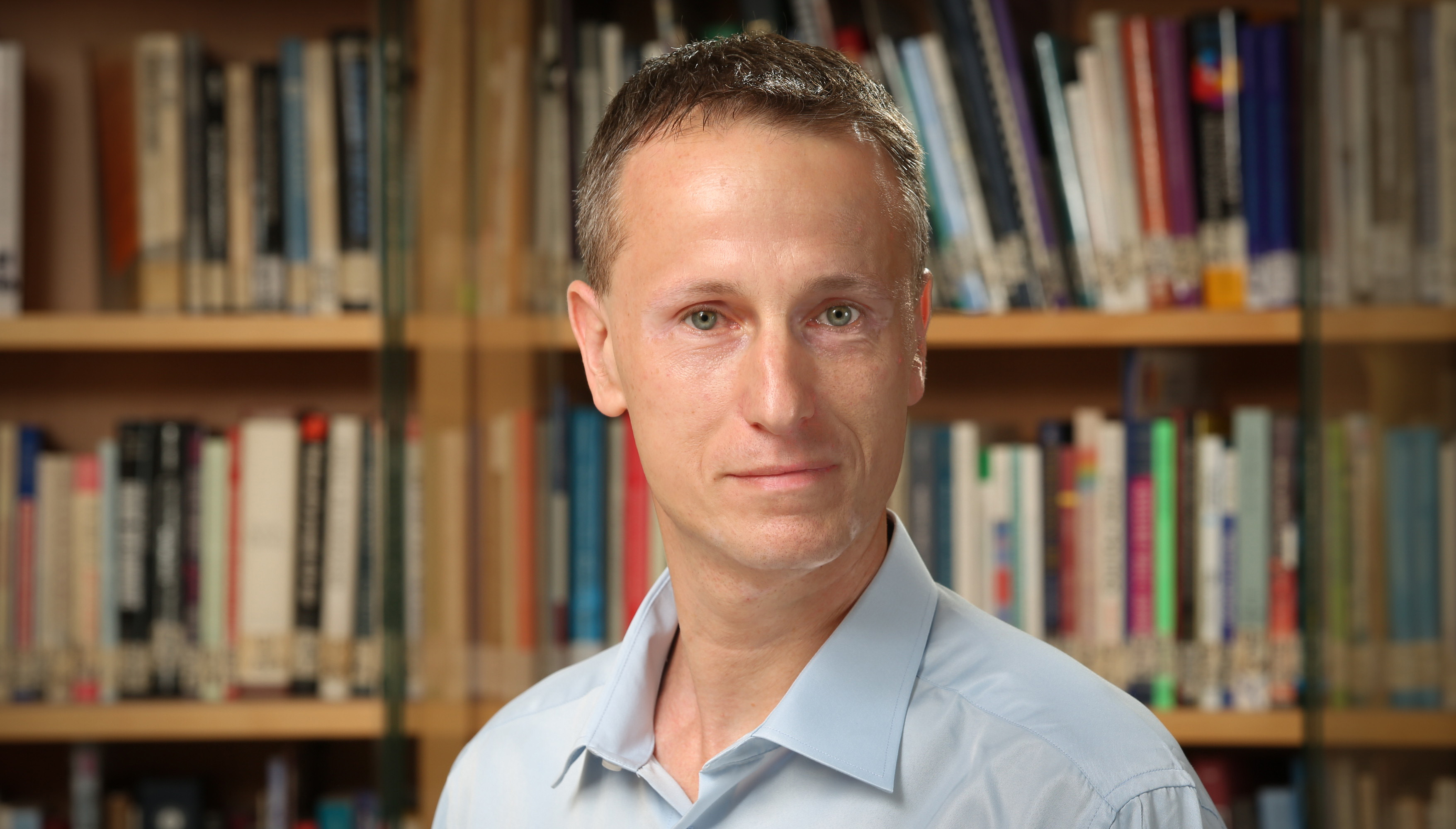
dr. Arik Rudnitzky

Dr Arik Rudnitzky

Victoria

Phone: +61 3 9296 2065
Email: office@aftau.asn.au

New South Wales

Phone: +61 02 7241 8711
Email: admin@aftau.org.au

Western Australia

Phone: :+61 0418 46 5556
Email: davidsolomon@aftau.org.au