Disturbing perfection: study shows power of “disrupted” materials
Disturbing perfection: study shows power of “disrupted” materials
written on 06 February 2020 | Posted in Newsroom
TAU study proves induced flaws in metamaterials can produce useful textures and behavior
“We can all understand, intuitively, that while a piece of paper is usually flat and floppy, the same piece of paper crumpled into a wad is stiff and round,” says Prof. Yair Shokef, of TAU’s School of Mechanical Engineering. “This demonstrates that scrunching changes the texture and behavior of precisely the same material — paper. So, why can’t we do the same thing to other materials found in nature, and produce new materials with different properties?”
A new Tel Aviv University study shows how induced defects in metamaterials — artificial materials the properties of which are different from those in nature — also produce radically different consistencies and behaviors. The research has far-reaching applications: for the protection of fragile components in systems that undergo mechanical traumas, like passengers in car crashes; for the protection of delicate equipment launched into space; and even for grabbing and manipulating distant objects using a small set of localized manipulations, like minimally invasive surgery.
“We’ve seen non-symmetric effects of a topological imperfection before. But we’ve now found a way to create these imperfections in a controlled way,” explains Prof. Shokef, co-author of the new study. “It’s a new way of looking at mechanical metamaterials, to borrow concepts from condensed-matter physics and mathematics to study the mechanics of materials.”
Disturbing perfection
The new research is the fruit of a collaboration between Prof. Shokef and Dr. Erdal Oğuz of TAU and Prof. Martin van Hecke and Anne Meeussen of Leiden University and AMOLF in Amsterdam. The study was published in Nature Physics on January 27. “Since we’ve developed general design rules, anyone can use our ideas,” Prof. Shokef adds.
“We were inspired by LCD-screens that produce different colors through tiny, ordered liquid crystals,” Prof. Shokef says. “When you create a defect — when, for example, you press your thumb against a screen — you disrupt the order and get a rainbow of colors. The mechanical imperfection changes how your screen functions. That was our jumping off point.”
A defect turned into an advantage
The scientists designed a complex mechanical metamaterial using three-dimensional printing, inserted defects into its structure and showing how such localized defects influenced the mechanical response. The material invented was flat, made out of triangular puzzle pieces with sides that moved by bulging out or dimpling in. When “perfect,” the material is soft when squeezed from two sides, but in an imperfect material, one side of the material is soft and the other stiff. This effect flips when the structure is expanded at one side and squeezed at the other: stiff parts become soft, and soft parts stiff.
“That’s what we call a global, topological imperfection,” Prof. Shokef explains. “It’s an irregularity that you can’t just remove by locally flipping one puzzle piece. Specifically, we demonstrated how we can use such defects to steer mechanical forces and deformations to desired regions in the system.”
The new research advances the understanding of structural defects and their topological properties in condensed-matter physics systems. It also establishes a bridge between periodic, crystal-like metamaterials and disordered mechanical networks, which are often found in biomaterials.

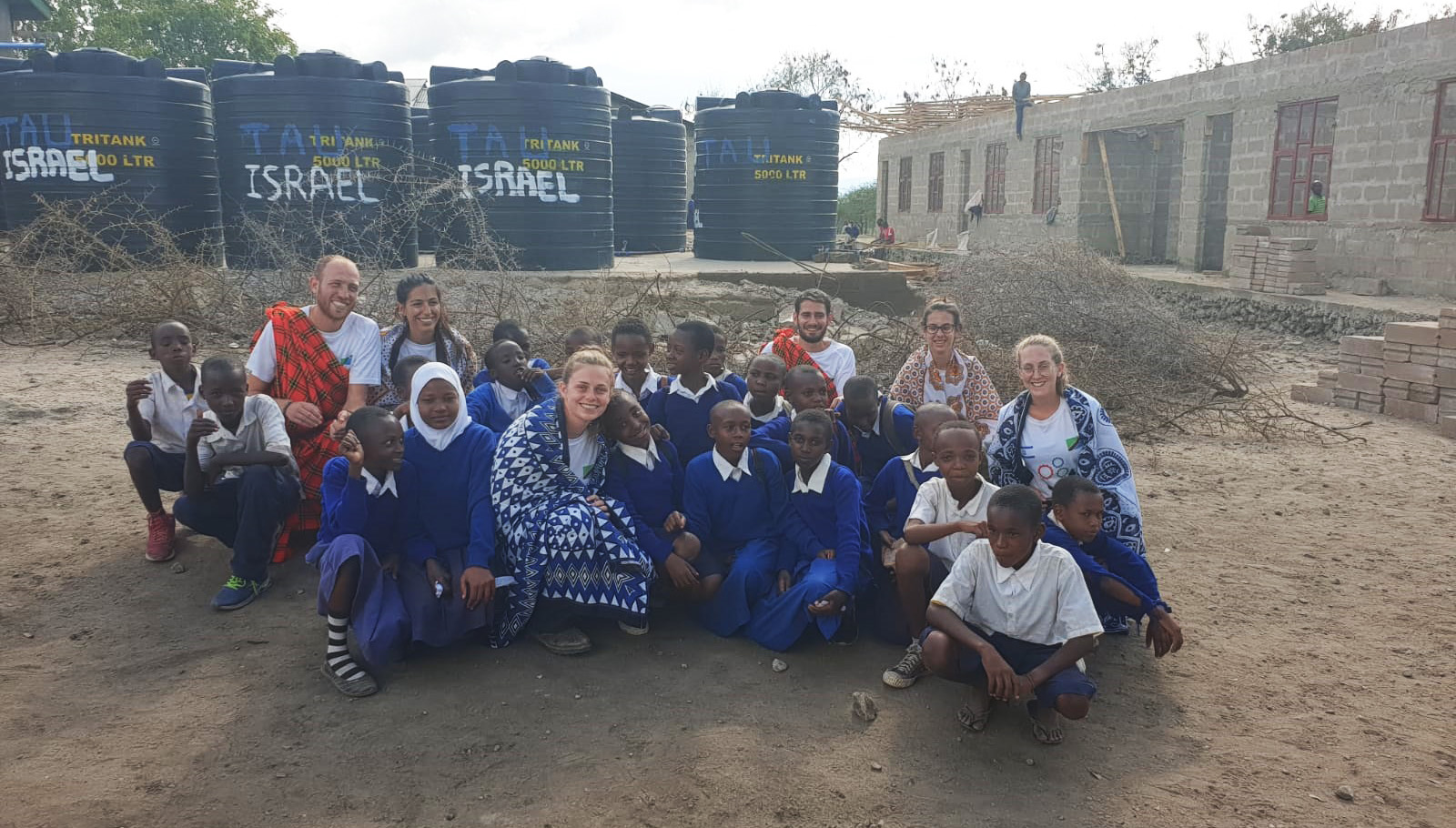
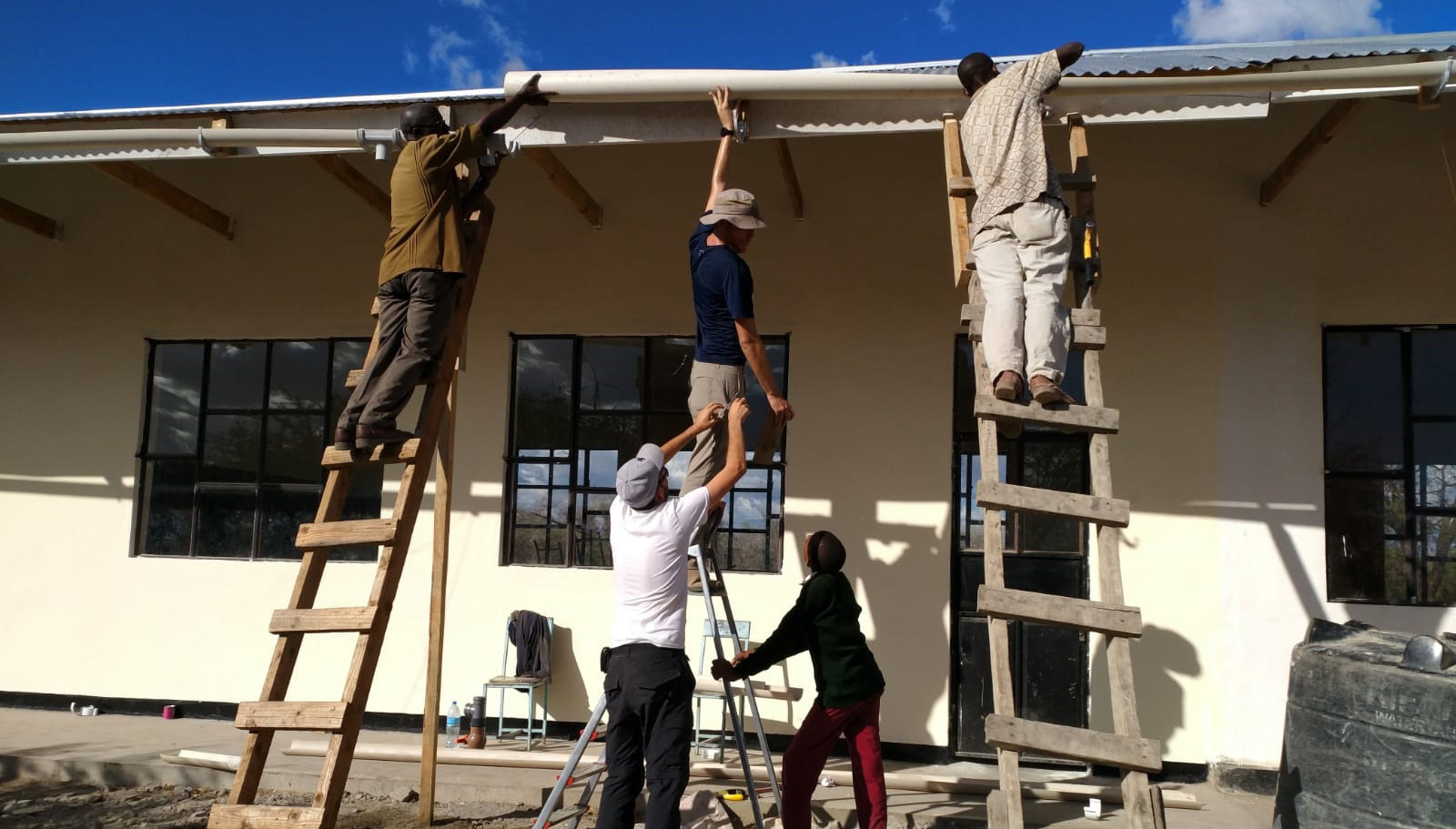
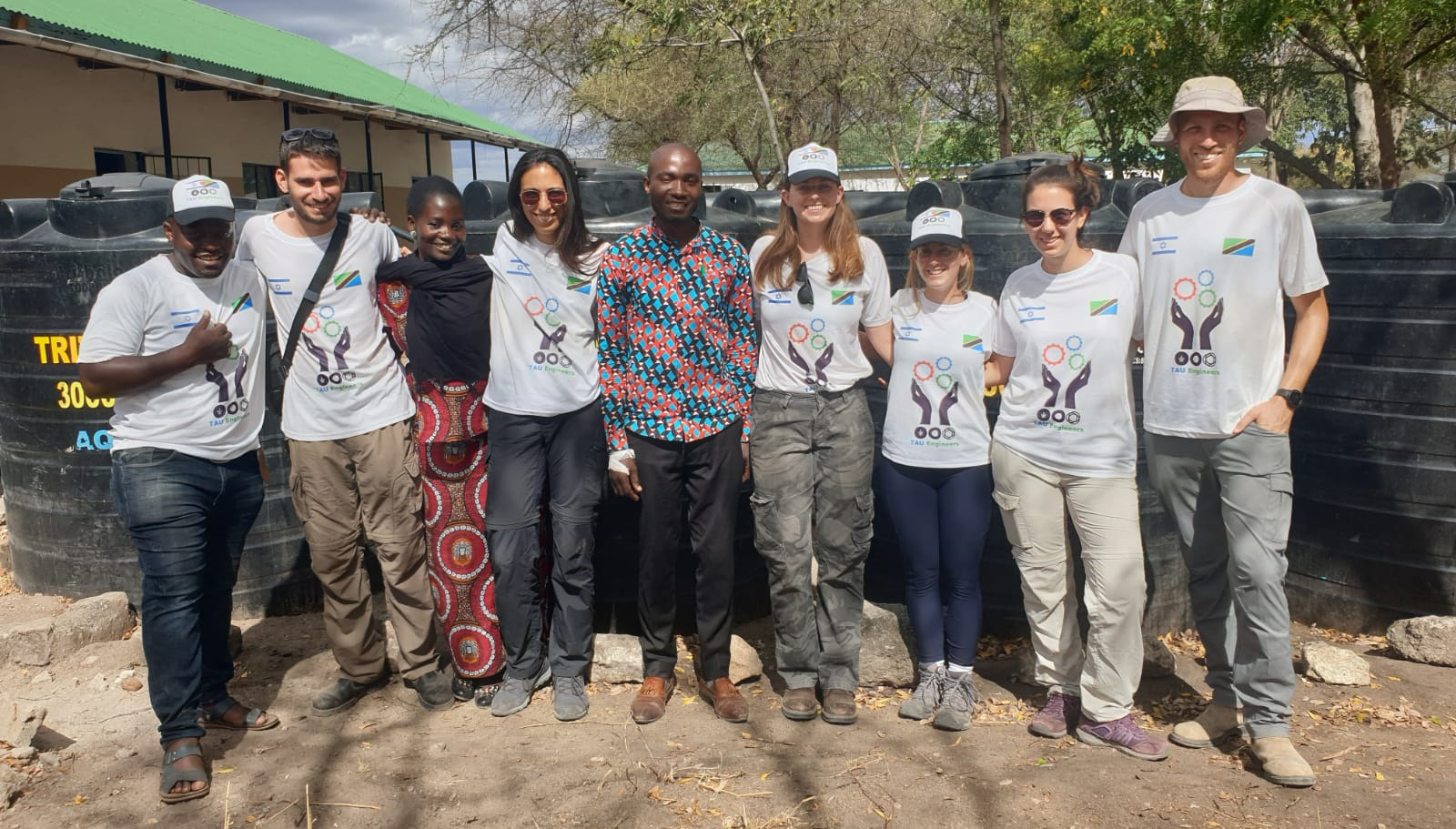 Working together: members of the delegation with locals from the school in Babati district
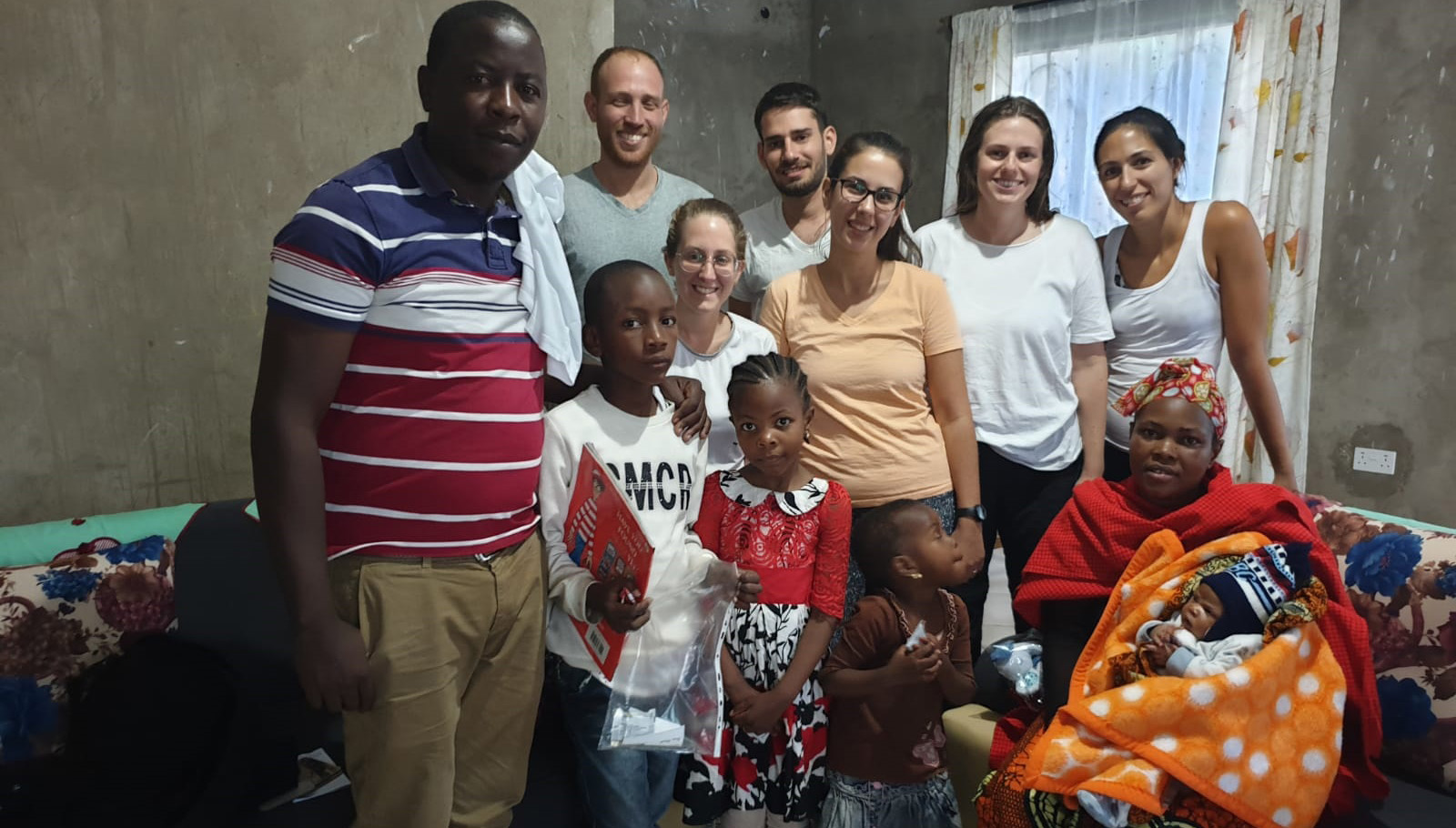 Smiles all around: Julius and his family with members of the delegation
At the biggest, most central school in Babati district, where the largest system was about to be installed, the delegation was greeted with an enthusiastic welcome. Knowing that soon every student would be able to enjoy clean water was exciting for the children.
Smiles all around: Julius and his family with members of the delegation
At the biggest, most central school in Babati district, where the largest system was about to be installed, the delegation was greeted with an enthusiastic welcome. Knowing that soon every student would be able to enjoy clean water was exciting for the children.
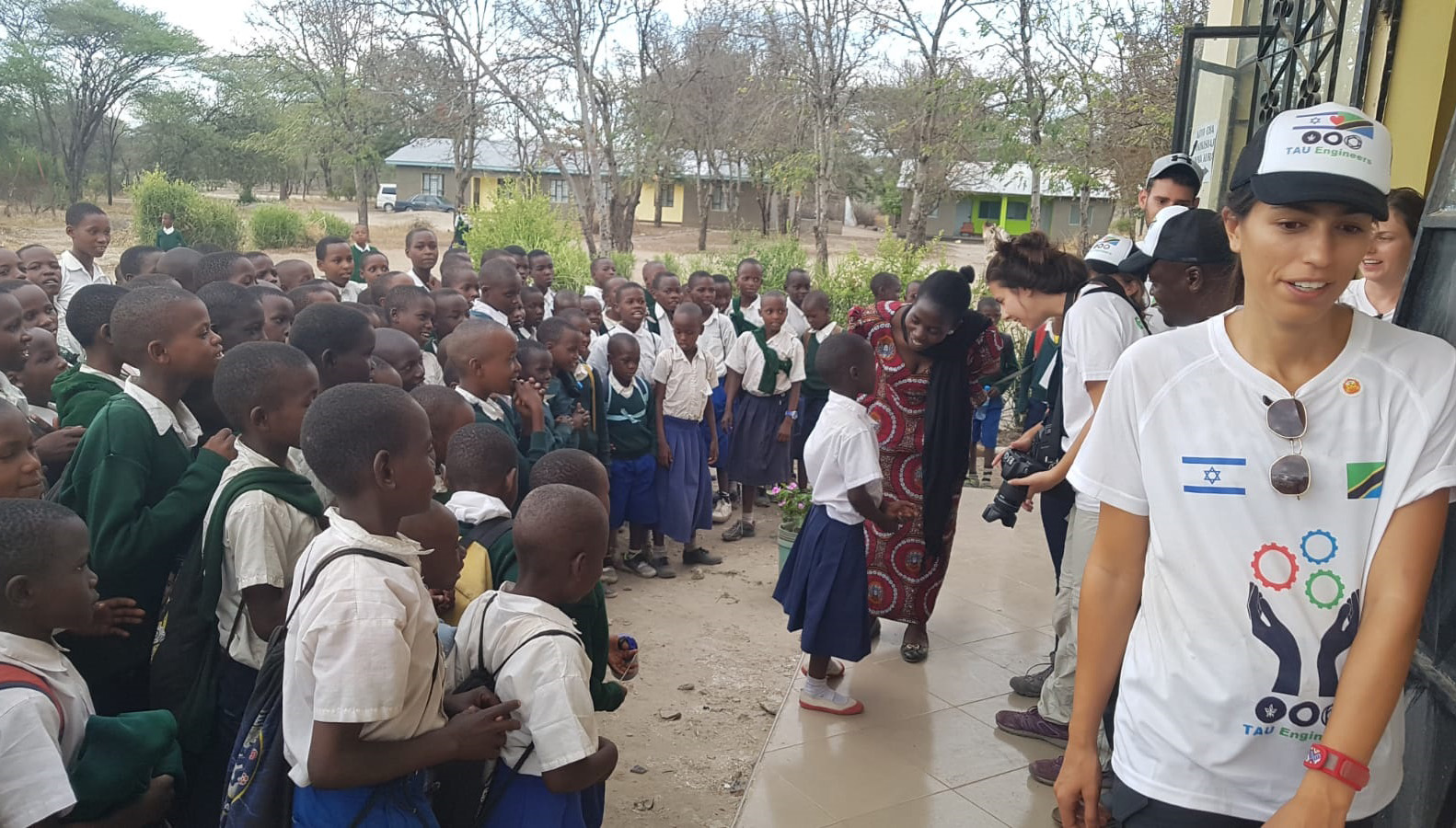 Hope and excitement: the delegation is recieved by the young students
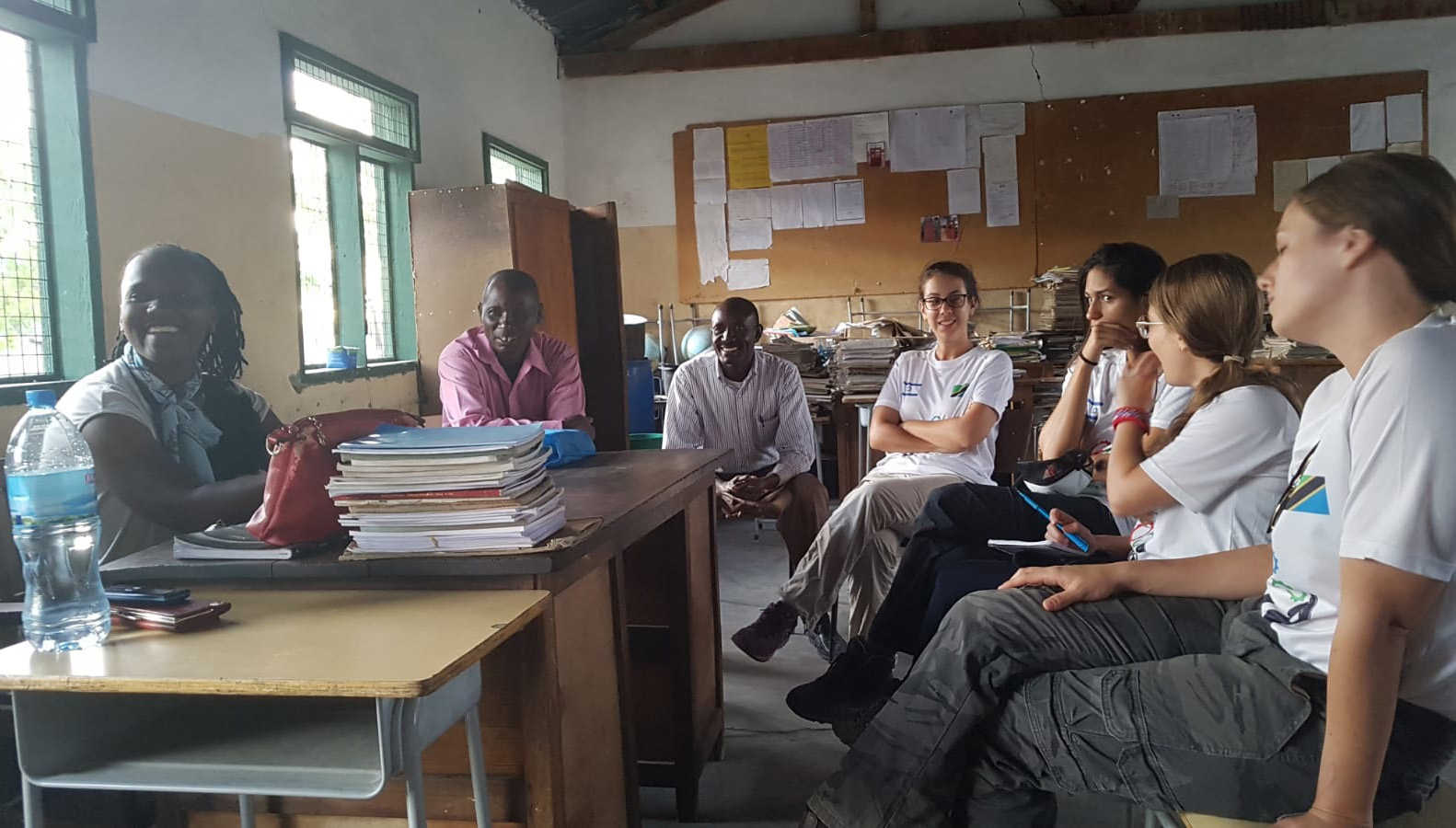
At the principal’s office
The first order of business for the delegation was teaching a group of boys and girls from local Scouts how to help with the construction and then later on how to maintain the systems. “The idea is not just to build a system, but to work collaboratively with the community, which includes education and instruction, which will lead to long-term results,” Natalie explains.
At the principal’s office
The first order of business for the delegation was teaching a group of boys and girls from local Scouts how to help with the construction and then later on how to maintain the systems. “The idea is not just to build a system, but to work collaboratively with the community, which includes education and instruction, which will lead to long-term results,” Natalie explains.
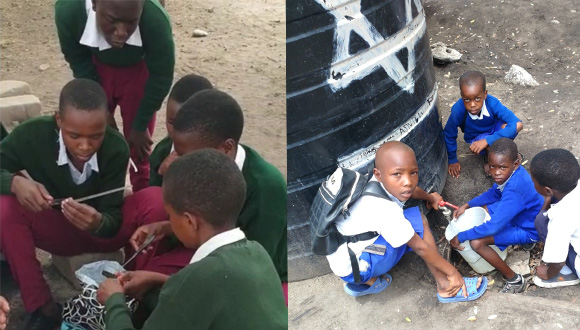 Left: local Scouts learning the new system. Right: children from the school using it to get clean water.
The construction process included installing gutters, cleaning the water tanks and preparing the infrastructure. In one of the schools, where systems had already been installed in the past, the delegation had to replace containers, destroyed by elephants that came in search of water, and build anti-elephant concrete walls around them.
Left: local Scouts learning the new system. Right: children from the school using it to get clean water.
The construction process included installing gutters, cleaning the water tanks and preparing the infrastructure. In one of the schools, where systems had already been installed in the past, the delegation had to replace containers, destroyed by elephants that came in search of water, and build anti-elephant concrete walls around them.
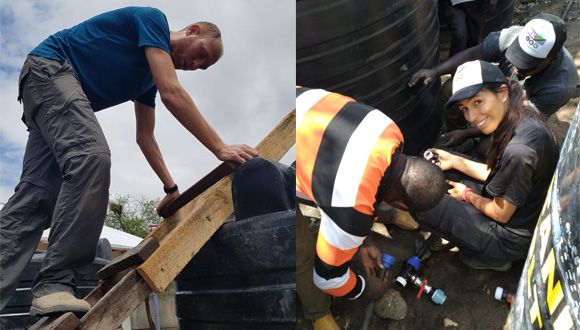 While the systems were being installed, the delegation members taught the students about proper use of the system and “water discipline”, and in return the students taught them local songs and dances.
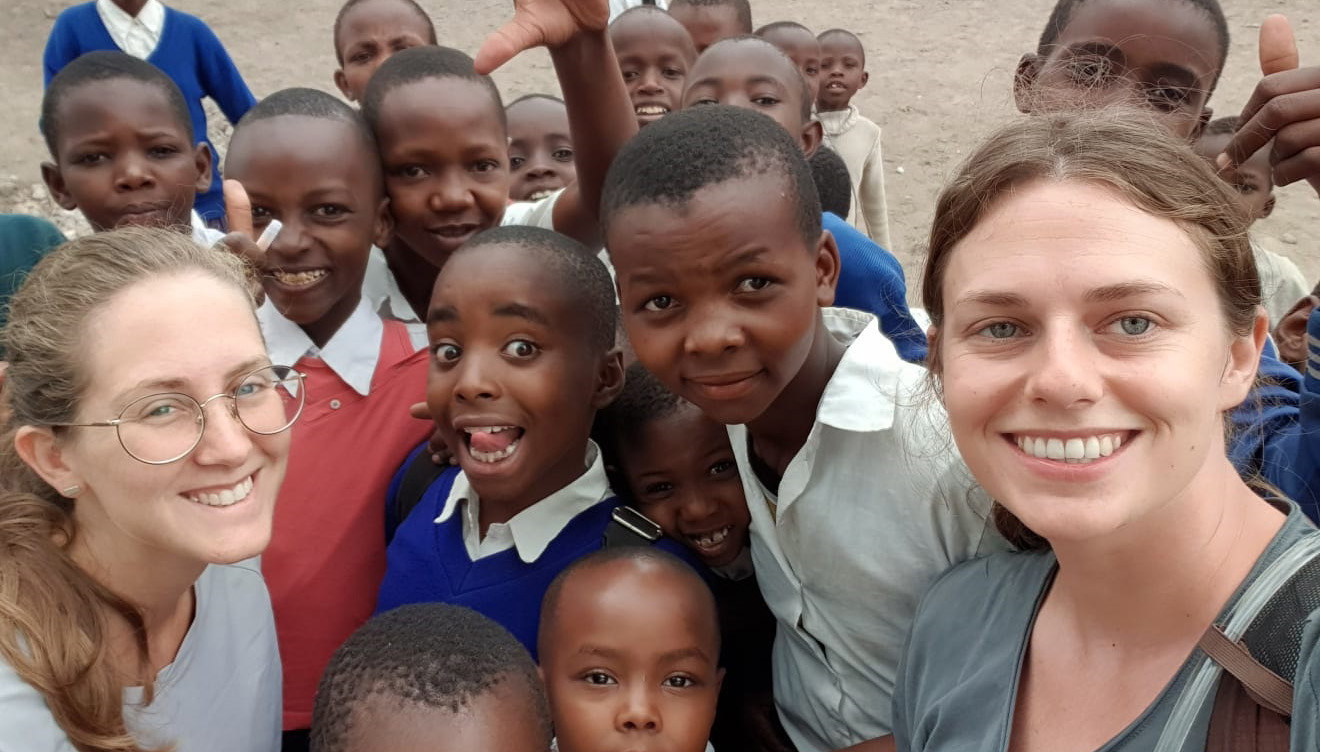 Singing while you work: two members of the delgation with young students
When it was clear that the work was progressing quickly and efficiently, the delegation decided to visit local families and get to know the community. “We started asking them questions about their daily lives and their needs,” Natalie says. “We realized that in addition to building the systems in schools, we also want to think of a home solution. Most people here live in extended families, sometimes numbering up to 50 people. So, a solution for one family can spare them a walk to the nearest water source, which can take hours, and also give them clean water, as opposed to reservoirs that are very polluted. Our challenge was to think of a simple, creative and inexpensive solution, using local materials, so we could easily distribute and duplicate it, and they could easily maintain the systems.”
Singing while you work: two members of the delgation with young students
When it was clear that the work was progressing quickly and efficiently, the delegation decided to visit local families and get to know the community. “We started asking them questions about their daily lives and their needs,” Natalie says. “We realized that in addition to building the systems in schools, we also want to think of a home solution. Most people here live in extended families, sometimes numbering up to 50 people. So, a solution for one family can spare them a walk to the nearest water source, which can take hours, and also give them clean water, as opposed to reservoirs that are very polluted. Our challenge was to think of a simple, creative and inexpensive solution, using local materials, so we could easily distribute and duplicate it, and they could easily maintain the systems.”
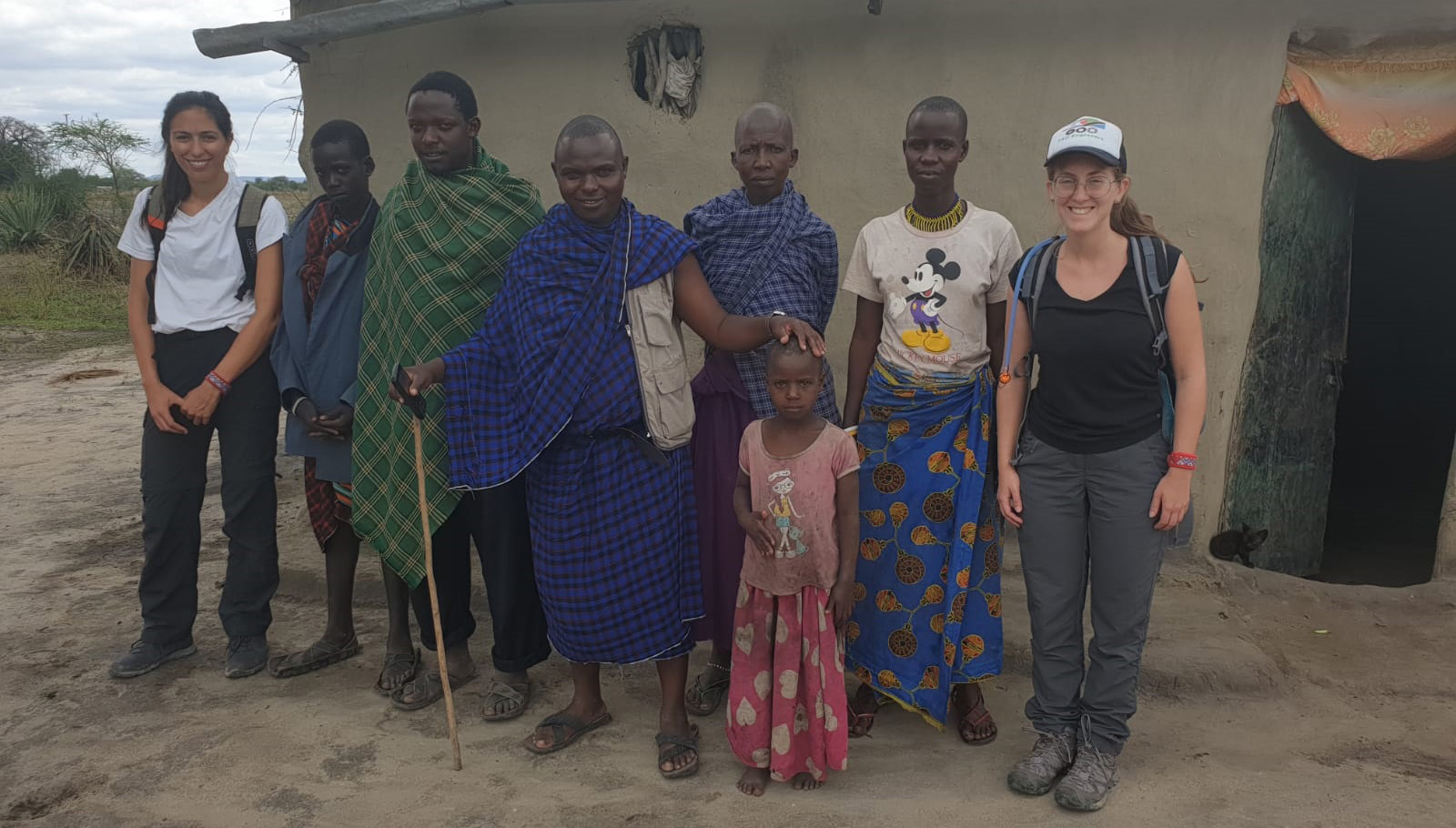
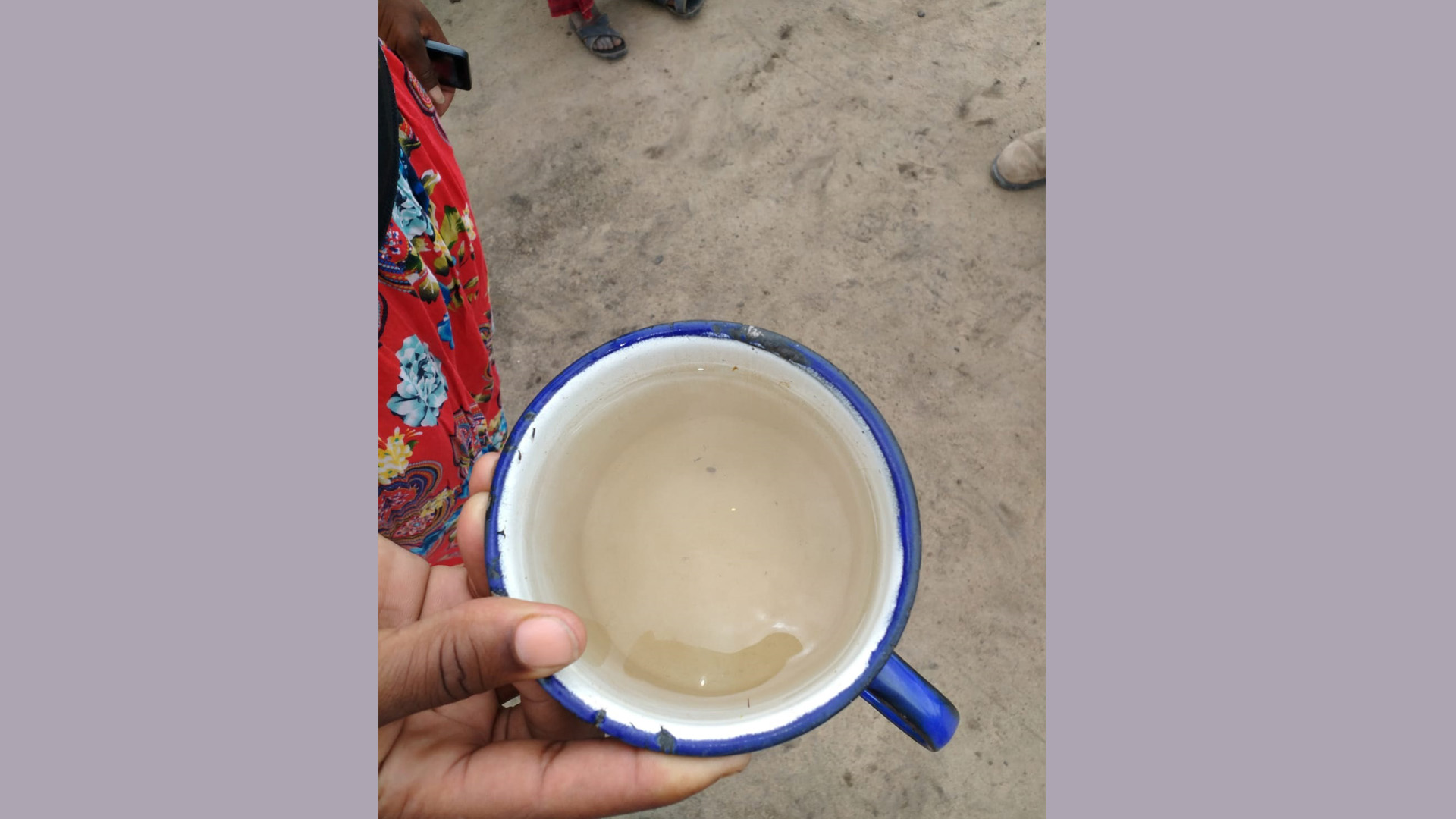 Sometimes the villagers are forced to drink polluted water