Tag: Environment

What Makes a Bat Bold?

A new TAU study shows that early-life experiences — more than innate personality — shape how bats behave in the wild.

A new study from Tel Aviv University’s School of Zoology reveals that the environment in which a bat is raised during the first months of its life largely determines how it will behave in the wild,  sometimes even more than its innate personality.

The study, led by doctoral student Adi Rachum from the laboratory of Prof. Yossi Yovel at the School of Zoology, Wise Faculty of Life Sciences, and the Sagol School of Neuroscience, was published in the journal eLife.

Growing Up in Two Different Worlds

The research investigated for the first time how early exposure to a variable and challenging environment affects the behavior of Egyptian fruit bats after they are released into the wild. The researchers raised 40 young bats in two completely different environments: one enriched and dynamic, in which the bats had to cope with new challenges every day in order to obtain food; and the other stable and unchanging. After a period of several months, their behavior in the wild was monitored using GPS devices that tracked their every flight.

The findings were clear and consistent: bats raised in the enriched environment exhibited much bolder and more exploratory behavior in the wild. They flew farther away from “home,” spent more time out foraging at night, and explored areas almost twice as large as those explored by the control group.

For example, bats raised in the enriched environment explored average foraging areas of approximately eight square kilometers, compared to only about three square kilometers among bats raised in the impoverished environment. The maximum distance they ventured from the colony was also notably greater — an average of about 1.3 kilometers versus only 0.8 kilometers in the comparison group. In addition, they spent an average of roughly four hours outside the colony each night, compared with less than three hours among bats in the control group.

Not Personality — Experience

To ensure that the differences did not stem from variations in the bats’ innate personality, the researchers assessed the young bats’ personality traits in the laboratory before they were exposed to the different environments. They found that these traits did not predict the bats’ behavior in the wild as adults. In other words, the bats’ innate disposition did not account for their later differences in behavior in the wild. Instead, the environment in which they were raised during their early life proved to be the decisive factor shaping how they behaved as adults.

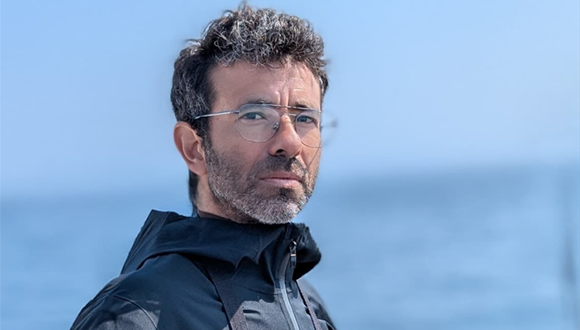
Adi Rachum explains: “Fruit bats are animals with remarkable behavioral flexibility and learning capacity. We found that the early environment to which bats are exposed influences the way they explore the world.”

Prof. Yossi Yovel adds: “In previous studies, we identified behavioral differences between exploratory urban bats and more ‘conservative’ rural bats. The current findings may explain how these differences between the groups are formed.”

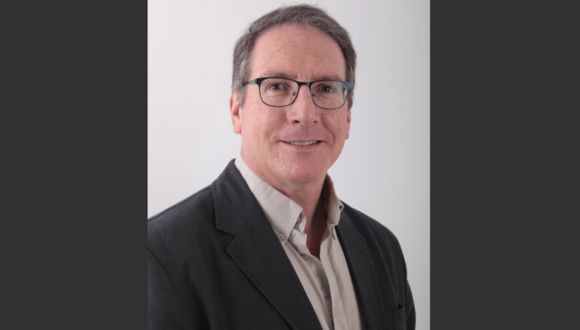
Prof. Yossi Yovel

*Prof. Yossi Yovel is a world-renowned Israeli researcher and a senior faculty member at the School of Zoology and the Sagol School of Neuroscience. He leads the field of neuroecology, which combines brain research and ecology to understand how animals make decisions and navigate in their natural environment. Considered a leading expert on bats, he studies their sonar system (echolocation), social communication, and remarkable navigation abilities.

Have We Reached a Point of No Return in Sea Urchin Extinction?

Researchers warn that patterns seen in the Canary Islands may emerge in other regions worldwide.

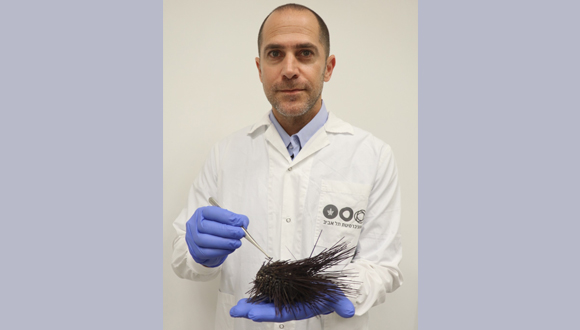
A global study by an international research team, including Prof. Omri Bronstein of the School of Zoology, Wise Faculty of Life Sciences and the Steinhardt Museum of Natural History at Tel Aviv University – who is leading global efforts to study the wave of sea urchins mass mortalities around the world, presents new and particularly alarming findings: for the first time, evidence of apparent local sea urchin extinction has been found in the Canary Islands.

The study revealed that the genus Diadema (the long-spined black sea urchins many of us are familiar with) is no longer able to produce offspring at this site — a finding that likely indicates local extinction.

The study was carried out by an international consortium including Tel Aviv University scientists in collaboration with researchers from Spain and the Canary Islands. The findings were published in the journal Frontiers in Marine Science.

From Local Die-Offs to Global Spread

Prof. Bronstein describes the sequence of events over recent decades: “In 1983–84, a mass mortality event of Diadema sea urchins was recorded in the Caribbean islands in the western Atlantic Ocean. This die-off triggered a dramatic ecological shift in the region: with the sea urchins — the habitat’s primary algae grazers — gone, vast algal fields spread, blocking sunlight and causing severe, irreversible damage to coral reefs in the region. In 2022, another mortality event struck the Caribbean, and for the first time the pathogen responsible for the lethal disease was identified. This epidemic spread to the Red Sea by 2023, and by 2024 it was also detected in the Western Indian Ocean, off the coast of Reunion.”

The Canary Islands: A Missing Link

In the current study, a formerly undetected mass mortality event was identified in the Canary Islands, off the coast of Morocco in the eastern Atlantic Ocean, which in fact occurred as early as mid-2022. According to the researchers, this event represents the “missing link” in the disease’s geographic spread. The study also revealed a particularly troubling finding, which likely points to the potential local extinction of the species in the Canary Islands. The study was based on extensive observational data collected through local citizen science, alongside scientific surveys, satellite data analysis (remote sensing), and the collection of samples from the seafloor by the research team.

Prof. Bronstein explains: “Sea urchins reproduce by releasing sperm and eggs into the seawater, where fertilization produces millions of embryos that drift as plankton in the water column. After several days to weeks (depending on the species), the larvae settle on the seabed and develop into juvenile urchins — a process known as ‘recruitment.’ In this study, we discovered that for the first time in history, there are no new juvenile urchins being recruited across several Canary Islands, indicating that the recruitment process has halted since the extensive mortality event that took place there. In other words, the die-off of the adult urchins has been so widespread that the species is no longer able to produce a next generation, if no recruitment occurs, the species may disappear from the region’s ecosystem.”

 Prof. Omri Bronstein

A Warning for Other Marine Ecosystems

The researchers note that sea urchin populations are typically characterized by fluctuations — they often decline and later recover. This time, however, the situation is far more severe and appears to be an extinction event rather than a transitional phase. The researchers warn that the pattern observed in the Canary Islands may also unfold in other regions around the world where unprecedented sea urchin mass mortality events have been recorded in recent years — including the Red Sea coast and the coral reef of the Gulf of Eilat.

Prof. Bronstein concludes: “In this study, we identified a mass mortality event of sea urchins that occurred in mid-2022 in the Canary Islands. In its aftermath, it became clear that the affected species is no longer capable of successfully reproducing in this area — a finding that may lead to local extinction, which is expected to have severe ecological consequences. A likely outcome would be the uncontrolled proliferation of algae, which would affect the entire ecosystem — although at this stage, it is difficult to predict exactly in what way.

City Life Keeps These Birds on the Move

City birds roam, rural birds stay put—how urban life shapes movement.

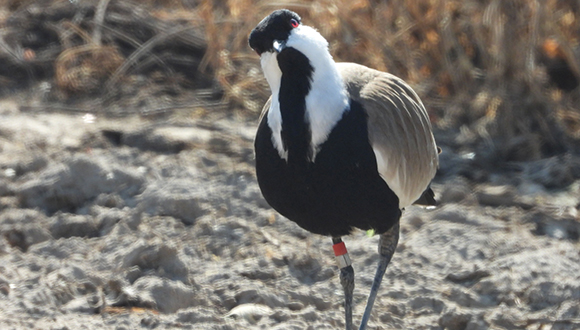
Researchers from Tel Aviv University’s School of Zoology studied the behavior and movement of the common spur-winged lapwing. They compared the habits of “urban lapwings” to those of their “rural” counterparts. In this latest study — the third in a series — the researchers tracked spur-winged lapwings in the Beit She’an and Harod Valleys, finding that birds living in human settlements exhibited greater mobility than those in nearby fishponds and fields, especially during the nesting season.

The researchers note: “We often see birds in populated areas and cities, demonstrating that some species habituate and even flourish in human environments. However, we tend to overlook how human presence affects these animals, altering their behavior — much like the classic story of the ‘town mouse and country mouse”.

The study was led by doctoral student Michael Bar-Ziv from the School of Zoology under the guidance of Prof. Orr Spiegel. Additional contributors included Hilla Ziv, Mookie Breuer, Eitam Arnon, and Assaf Uzan, all members of the Movement Ecology and Individual Behavior Laboratory at the School of Zoology from The George S. Wise Faculty of Life Sciences at Tel Aviv University.

פרופ' אור שפיגל

Prof. Orr Spiegel.

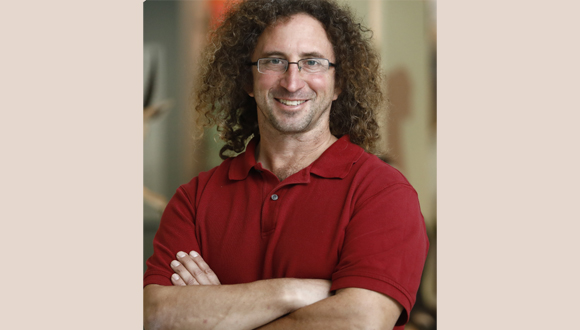
Prof. Spiegel explains: “Our lab focuses on animal behavior and movement in space, aiming to conserve nature and prevent zoonotic disease transmission. In our latest series of studies on this system, we sought to examine how urbanization and human presence influence animals, particularly birds. We chose to focus on the spur-winged lapwing (Vanellus spinosus). These common species are often found in populated areas and are large enough to carry a transmitter that continuously tracks its location. In our two earlier studies, we found that urban lapwings are bolder than their counterparts that live in more natural areas and that these behavioral differences persist even when tested in a shared and controlled environment, such as aviaries at the zoological garden at Tel Aviv University”.

How Habitat Shapes Bird Movement

This study focused on spur-winged lapwings living in the Beit She’an and Harod Valleys, comparing the spatial movement patterns of two adjacent sub-populations: those living in moshavim and kibbutzim and those in nearby fishponds and fields. Two main parameters were examined: mobility — the daily distance traveled, and exploration — whether they revisit familiar locations or explore new, unfamiliar sites.

הי? אתם מחפשים אותי? סיקסק סקרן (צילום: היל זיו)

Close-up of a Spur-winged Lapwing (Photo creditHilla Ziv).

Michael Bar-Ziv explains: “Spur-winged lapwings nest during spring, building their nests on the ground. We captured them at their nests, attached transmitters, and released them to continue their lives. The transmitters, which sent a signal every eight seconds, allowed us to track the birds over several months”. In total, the researchers tracked 135 individuals — half males and half females — with an average tracking period of 194 days. The longest tracking period lasted about ten months. The data collected underwent statistical analysis to compare the movement and behavioral patterns of the two groups.

Bar-Ziv adds: “First, we found that each bird has its own distinct personality, reflected in consistent movement patterns that differ from those of other individuals. Additionally, we discovered that lapwings living in human settlements are more mobile than those in undeveloped areas. We believe this is because disturbances in towns and villages cause the birds to take flight more often, increasing their overall flight distance but not their maximum distance from the nest. As for exploration, we found a more complex picture, with seasonal differences and variations between males and females. For example, during the nesting season, females in fields were more exploratory than their counterparts in populated areas, while the opposite was true for males. We don’t yet have an explanation for these patterns”.

Bird City Life

Prof. Spiegel concludes: “Many animals live around us in cities and towns, and some species even adapt well to human environments. However, research shows that even among these city-dweller species, various aspects of behavior change due to human presence compared to their behavior in the wild. Alternatively, individuals with certain personality traits may be more likely to choose urban living, which explains behavioral differences. In this study, we found significant differences, particularly increased mobility among ‘urban lapwings’ during the nesting season. Future studies will explore the potential influence of urban environments on the development and personality of chicks from a young age to adulthood. These studies will help us distinguish between the mechanisms contributing to the observed differences — whether certain types of individuals gravitate toward cities or whether urban environments shape behavior”.

When Marine Animals Become ‘Plastic Distributors’

Marine animals eat and release microplastics, harming the environment.

A new Tel Aviv University study has uncovered alarming findings about the spread of microplastic particles in the marine food web. In recent years, numerous studies have examined the dangers of aquatic animals and more specifically, filter-feeding organisms, ingesting non-degradable microplastic particles. In the current study, the research team sought to understand how the biological filtration by filter-feeding organisms affects the microplastics in their environment. The findings indicate that the particles are excreted in the feces of marine animals, causing them to be unidentifiable as plastic to the aquatic environment, but potentially as other organic matter suitable for consumption.

Additionally, the presence of microplastic within feces affects the feces dispersal which causes accumulation of feces and plastic particles. This may increase carbon and nitrogen levels on the seafloor and lead to algal blooms, which have a critical impact on the balance of the marine food web.

The research was conducted by PhD student Eden Harel of the School of Zoology in the Wise Faculty of Life Sciences, Prof. Noa Shenkar of the School of Zoologyand the Steinhardt Museum of Natural History, and Prof. Ines Zucker of the School of Mechanical Engineering and the Porter School of Environment and Earth Sciences, all at Tel Aviv University. The study was published in the journal Chemosphere.
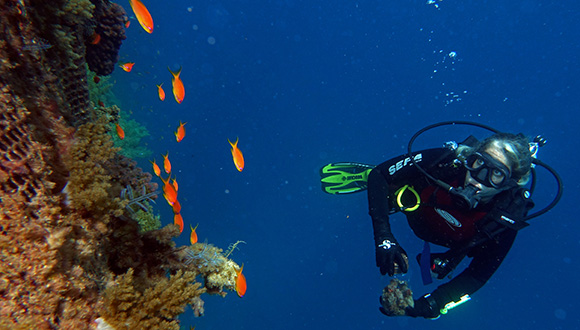
פרופ' נועה שנקר וחברים ימיים

 Prof. Shenkar during a research dive (Photo creditDr. Tom Shlesinger).

Prof. Shenkar explains: “About a decade ago, when awareness of the plastic pollution problem in the marine environment began to grow, many researchers focused on identifying the location and scale of microplastic particles. Recently, the research focus has shifted to the effects and damage caused by microplastics. However, many experiments in this field are conducted using clean, purchased plastic, whereas in the sea, plastic particles are exposed to a wide range of influences and pollutants. We aimed to examine whether and how plastic changes after passing through the digestive system of a marine organism and how this process affects the presence of plastic and its availability to other organisms”.

How Marine Organisms Process Microplastics

The researchers created an experimental system in the lab simulating seawater containing ascidians — marine animals that feed by efficiently and indiscriminately filtering tiny particles from the water. They exposed the ascidians to two types of plastic particles: conventional polystyrene (PS), which is widely used, and polylactic acid (PLA), marketed as a biodegradable, environmentally friendly bioplastic. They then examined the impact of the ascidians’ filtration process on the concentration and distribution of plastic particles in the water at four intervals: at the time of exposure, after two hours (when the ascidians had filtered all available water and ingested the microplastic particles), after 24 hours, and after 48 hours (following digestion and the excretion of feces into the water).
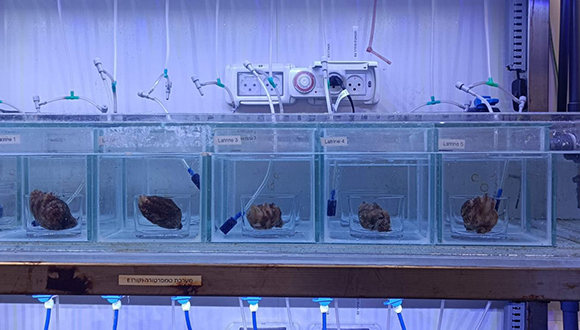
איצטלנים במעבדה (צילום: עדן הראל)

The laboratory at Tel Aviv University where the experiment was conducted (Photo creditEden Harel).

The findings showed that approximately 90% of the polystyrene particles were removed from the water after two hours of filtration, but all the particles returned to the water after 48 hours, following passage through the digestive system. In contrast, the concentration of PLA particles in the water significantly decreased and remained low for 48 hours, larger PLA particles likely broke down during digestion and returned to the water as smaller undetectable nano-sized particles.

In the second phase of the study, the researchers examined what had happened to the microplastic particles that were filtered, digested, and excreted back into the water column. To do so, they isolated microplastic particles from the ascidians’ feces and analyzed them using Raman spectroscopy, an advanced device that identifies the chemical composition of materials by scattering a laser beam.

Eden Harel explains: “We found that the sensitive spectroscopy device could not identify the material as plastic at all and instead identified the particle as another type of organic material. Our findings revealed that microplastic particles are excreted from the ascidian’s digestive system coated with a fecal layer, and it is likely that the marine environment also identifies these particles as this organic material. Since many marine animals feed on feces, they may well ingest plastic that has changed its properties, identifying it as food. In this way, they are also exposed to microplastics and spread them further within the marine food web. The fecal coating may serve as a substrate for bacterial colonization and increase the adhesion and accumulation of pollutants such as heavy metals and residual organic substances (like antibiotics) on the plastic particles”.

Prof. Zucker adds: “This phenomenon also affects bioplastics marketed as ‘biodegradable’: unless conditions are met for their complete breakdown, they remain as particle pollution that changes properties during passage through the digestive system. The many transformations plastic particles undergo in the environment — from weathering to digestive processes, as investigated in this study — turn them into carriers of pollutants and diseases within the food web”.
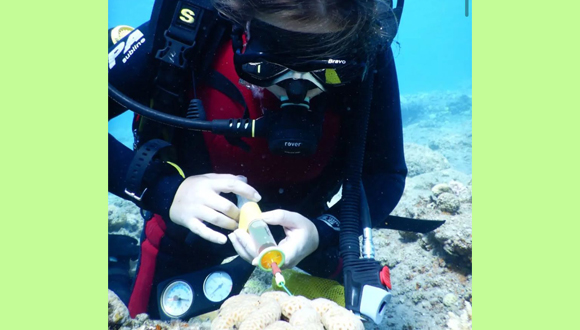
עדן הראל דוגמת בים (צילום: עדן הראל)

 The researchers analyzing the secretions of marine animals (Photo creditEden Harel).

What’s the Impact of Microplastics on Marine Life?

In the third phase of the study, the researchers examined the reverse effect: how microplastic particles affect feces, an organic material that plays a vital role in marine ecology. Eden Harel explains: “We found that plastic changes important physical properties of feces. Normal feces sink very slowly through the water column, serving as food for many organisms along the way. In contrast, feces containing microplastic particles sink rapidly to the seafloor. This removes an important nutrient source from the water column. Additionally, the faster sinking rate decreased the dispersion of the feces causing accumulation of feces and plastic particles near where the animals are settled. This accumulation can increase carbon and nitrogen levels on the seafloor and trigger algal blooms, representing another critical impact of microplastics on the balance of the marine food web”.

The researchers conclude: “In this study, we uncovered significant aspects of the influence of filter-feeding animals on the characteristics of microplastic particles in their environment and within the marine food web. The most alarming conclusion is that the microplastic problem is far more complex than initially thought. Plastic pollution in the marine environment has many unexpected dimensions, and its complexities continue to grow. Sometimes, neither we nor the environment can even recognize it as plastic. As time goes on, plastic continues to harm more and more marine ecosystems. We must develop new technologies to mitigate this dangerous phenomenon”.

Corals on Drugs: A Threat We Can’t Ignore

10 different pharmaceuticals detected in corals in the Gulf of Eilat.

Severe environmental contamination: A new study from Tel Aviv University and the Steinhardt Museum of Natural History detected traces of 10 common medications in coral samples collected from both shallow and deep sites in the Gulf of Eilat. Sulfamethoxazole, an antibiotic used for respiratory and urinary tract infections, was found in 93% of the sampled corals.

The alarming study was led by Prof. Noa Shenkar of TAU’s School of Zoology, Faculty of Life Sciences and Steinhardt Museum of Natural History, and her PhD student Gal Navon, in collaboration with the Hydrochemistry laboratory led by Prof. Dror Avisar at TAU’s Porter School of Environment and Earth Sciences. The results were published in the prestigious journal Environmental Pollution.

אלמוג אבן מסוג FAVITES

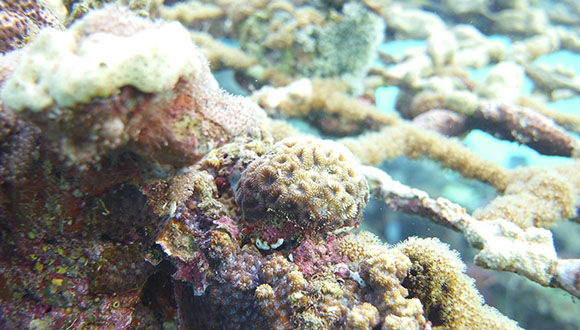
The stony coral species Favites (Photo Credit: Prof. Noa Shenkar).

“In this first-of-its-kind study, we conducted a large-scale investigation for detection of pharmaceuticals in corals”, says Prof. Shenkar. “We sampled 96 reef-building stony corals representing two types, Acropora sp. and Favites sp., in shallow sites (5-12 meters) as well as deeper sites beyond the limits of recreational diving (30-40 meters). We were surprised to find an extensive presence of medications even in the deep-water corals – which usually escape contaminations affecting corals in shallower areas”.

A Cocktail of Drugs Found in Coral Reefs

The researchers obtained a list of the most commonly used pharmaceuticals in Israel from Clalit Health Services. Testing for 18 of these compounds, they detected 10 of them in the coral samples. Not even a single sample, retrieved from either shallow or deep water, was found to be drug-free. The 10 pharmaceuticals found in the corals belonged to different categories: antibiotics, blood pressure medications, antiplatelet agents, calcium channel blockers, laxatives, proton pump inhibitors, statins and antidepressants.

“What does the presence of pharmaceuticals in corals actually mean? Clearly, the corals did not receive a prescription for antibiotics from their doctor”, explains Prof. Shenkar. “These medications are taken by humans to affect a certain receptor or biological pathway, and they can also impact other organisms. Previous studies, conducted by both our lab and others, have revealed many examples of this negative impact: estrogen from birth control contraceptive pills induces female features in male fish, impairing reproduction in certain species; Prozac makes some crabs aggressive and reckless; and antidepressants damage the memory and learning abilities of squids. There is no reason to believe that corals should be immune to such effects. For instance, if our pharmaceuticals should disrupt the spawning synchrony of coral populations, it would take us a long time to notice the problem, and when we do, it might be too late”.


פרופ' נועה שנקר וחברים ימיים

Prof. Noa Shenkar.

“Stony corals build coral reefs, and the types we studied are very common in the Gulf of Eilat”, adds Gal Navon. “Coral reefs are a cornerstone of marine biodiversity. They provide food, shelter, and spawning sites to numerous species, and support the human fishing and tourism industries. Today this delicate ecosystem is under pressure as a result of climate change, pollution, and overfishing. The presence of pharmaceuticals in coral tissues adds another layer of concern, indicating that human activities even contaminate faraway marine environments”.

“Clearly these medications save lives, and we have no intention of requesting people to reduce their use”, says Prof. Shenkar. “However, we must develop new sewage treatment methods that can effectively handle pharmaceutical compounds. Also, each of us must dispose of old medications in ways that do not harm the environment. Ultimately these drugs come back to us. I know people who avoid medications, but when they eat a fish, they might unknowingly consume a ‘cocktail’ of drug residues absorbed by the fish from the marine environment”.

Unlocking Green Energy from Microscopic Plants

TAU post-doc Tamar Elman is creating a startup to harness hydrogen gas produced by algae during photosynthesis.

Recent reports that 2023 was the world’s hottest year on record highlights the urgency of mitigating climate change. One unavoidable change will be to clean up the energy sector, which currently produces 70% of industrial waste including greenhouse gases and ozone-eroding chemicals. The solution may come in the form of a tiny single-celled organism which most may recognize as the green layer on top of lakes and ponds: algae. Tamar Elman, a Tel Aviv University post-doctoral researcher in the lab of Iftach Yacoby at the Wise Faculty of Life Science, has discovered a microalgae species with a mutation which produces large amounts of hydrogen gas, a promising clean energy source. After completing a course at TAU’s Entrepreneurship Center, she is building a startup to figure out how this hydrogen production might be harnessed and industrialized.  

An Accidental Discovery  

Hydrogen gas is a very clean source of energy because its only byproduct is water vapor. “Unfortunately,” says Elman, “because it does not naturally accumulate anywhere in large amounts, producing hydrogen gas in a usable form does produce carbon waste. So there is a race right now to create a totally green production method that is also scalable and profitable.” 


“There is a race right now to create a totally green production method that is also scalable and profitable.”


One natural source of hydrogen gas is microalgae, which is found in most habitats around the world and grows easily. In 2021, Elman was trying to increase the small amounts of hydrogen gas produced by microalgae in the TAU Yacoby lab. “Microalgae are considered plants because they perform photosynthesis, using solar energy to transform carbon dioxide into sugars for nourishment. However, green algae also have a built-in “circuit breaker” that burns off any excess solar energy by converting it to hydrogen gas. Unfortunately, hydrogen production is usually shut down quickly by other functions of the algae.  

One day, Elman and Prof. Yacoby tested a new culture and saw the hydrogen levels reaching unprecedented heights. “We thought we were seeing a mistake in the hydrogen measuring device. We almost threw out the culture!” Says Elman. “But when we tried it on a different device and got the same results, we realized we had found a mutated algae strain that naturally overcame the barriers to continued hydrogen gas production.” 

Scaling Up 

Upon publishing a paper in 2022 on their discovery, Elman and Prof. Yacoby garnered quite a bit of interest from the scientific community. The two decided to capitalize on the buzz, delving further into experimentation on their mutation. Elman also won a grant from the Israeli Innovation Authority which required she take a course on breaking into industry at TAU’s Entrepreneurship Center. 

Elman and Yacoby nailed down their idea to produce hydrogen gas for the energy sector and to work with the food industry to sell the used algae, which is left with high nutritional value after the production process.  

Elman and Prof. Yacoby hope to industrialize microalgae-based hydrogen gas production. (Photo: Tel Aviv University)

The two discovered that scaling up creates its own host of challenges, as processes that work at small scales may not always translate proportionally. Elman realized she would need a very simple way to induce hydrogen production in the algae. “It’s almost comical how basic this method is,” she says of her solution. “All I do is give the algae some concentrated acid and let them sit in the dark for two hours breathing oxygen. Then I open the windows to let light in, and the algae start producing hydrogen! It’s practically too simple to market, but it really works.”  

Elman spent the last year gathering her data and creating material for investors and industry stakeholders with the help of her Entrepreneurship Center team. Now, she is meeting with investors. “Even though it’s very difficult, I know I would regret not trying. And it’s an amazing feeling to see my research lead to something concrete.” 

Her next steps are, she hopes, to build a large photobioreactor that can be used for larger-scale experiments and production. 

Thinking Like an Entrepreneur 

To learn what is needed to create a startup and collaborate with industry, Elman participated in a course called JumpTAU which brought together Arab and Jewish students in mixed startup-building teams at TAU’s Entrepreneurship Center. For months, the teams received intensive lectures, individual guidance and networking opportunities from industry experts and dedicated mentors. 


“Entrepreneurship is a different type of thinking. I had to figure out who my audience was and how to frame my work as beneficial to them.”


After performing scientific research for 9 years, says Elman, “entrepreneurship is a really different type of thinking. I discovered that customers and investors aren’t interested in science for science’s sake, so I had to figure out who my audience was and how to frame my work as beneficial to them. Now a year later, I have a professional slide deck I can proudly show to investors.” 

She felt particularly supported by the mentors and Center Director Yair Sakov, all of whom she says she can still turn to for ongoing counsel. “I really feel like those at the Center care about my success.” 

Just Like Us: Retired Eagles Like to Stay In

It turns out that older eagles go out less and prefer to stay home.

A new Tel Aviv University study, the first of its kind, has revealed that vultures, much like humans, experience changes in movement habits and social relationships as they age. Young vultures frequently move between roosting sites and “hang out with friends”. During adolescence, they spend about half their nights at a permanent roosting site (“home”) and the other half at other sites. In old age, however, vultures scale back on socializing, preferring to “stay home”. The study, which involved 142 Eurasian Griffon Vultures (Gyps fulvus) in Israel, is among the few to shed light on the behavioral changes in aging animals in the wild.

The study, led by Dr. Marta Acácio as part of her post-doctoral research in Dr. Orr Spiegel’s laboratory at Tel Aviv University’s School of Zoology, was conducted in collaboration with Prof. Noa Pinter-Wollman of the University of California, Los Angeles (UCLA) and several other researchers. The findings were published in the prestigious journal PNAS.

ד"ר מרתה אקסיו

Dr. Marta Acácio.

ד"ר אור שפיגל בזמן שחרור נשרים בכרמל. צילום: טובל'ה סולומון

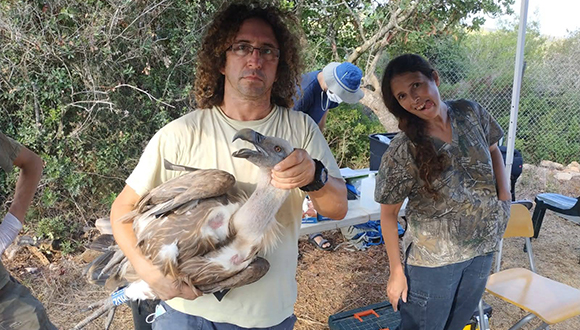
Dr. Orr Spiegel. releasing tagged vultures (Photo credit: Tovale Solomon).

The Eagle Has Landed

Dr. Spiegel explains: “Vultures are a locally endangered species in Israel, with only about 200 individual vultures remaining. They are closely monitored to determine the best possible conservation methods. We thought about what else could be gleaned from the extensive database we have accumulated over the years and agreed it would be interesting to explore how vultures age. Tracking the same individuals in the wild over many years is often very challenging. However, the transmitters we use to monitor the population provided a rare opportunity to observe the aging process in vultures specifically and in animals generally”.

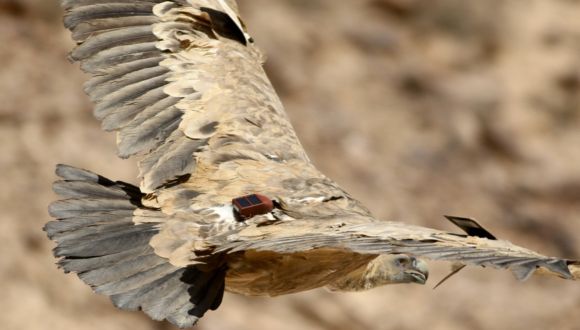
The researchers utilized a database accumulated over 15 years from GPS devices attached to 142 vultures that tracked them for periods of up to 12 years. The vulture, a social bird, sleeps in roosts on cliffs. By cross-referencing the vultures’ ages with the GPS data on their roosting sites, the researchers discovered that as the vultures aged, they increasingly preferred to stay at the same roosting site.

Aging vulture being monitored (Photo credit: Tovale Solomon).

Home Sweet Home

Dr. Spiegel: “It turns out that aging vultures behave a bit like humans and are more inclined to stay at home. When they’re young, vultures like to explore new sites and frequently move between places; the likelihood that a young vulture will sleep at the same site two nights in a row is low. When they reach adolescence at the age of five, this behavior stabilizes, and as adults they spend 50 percent of their nights at the same site and the other 50 percent at other sites. When they are old, from the age of 10 onwards, they no longer have the energy to be ‘out and about’, and return consistently to the same site. Furthermore, when adult vultures do change sites, they do so in a predictable pattern: for example, one night in Ein Avdat, the next in the Small Crater, and the next in Nahal Golhan, following a fixed order. Of course, it could be argued that older vultures move less not because they are old, but because they avoid taking risks in the first place, which is how they reached the age they did. But here we are talking about the exact same individual birds: those who were adventurous at the age of five became more sedentary by age ten”.

Elder Eagles’ Poisoning

According to Dr. Spiegel, these fascinating findings on the aging of birds also have very practical implications for conservation efforts. “This new study can help us better protect vultures’ roosting sites in the wild. Additionally, we have now seen that older vultures have fewer social connections, which can help us to prevent poisoning. The transmitters are connected to a system that sends an alert to the Israel Nature and Parks Authority, and to us by phone, if the vulture is not moving or has landed in a dangerous place, indicating that it may have been poisoned.

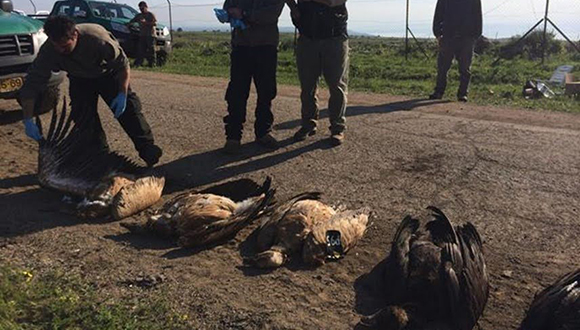
איסוף נשרים מתים בעקבות הרעלה ברמת הגולן על ידי פקחי רשות הטבע והגנים. צילום: רשות הטבע והגנים

Collecting dead vultures following poisoning in the Golan Heights by Nature and Parks Authority rangers (Photo credit: Nature and Parks Authority).

Unfortunately, this happens frequently. The danger arises when a vulture descends on a poisoned goat carcass, not knowing that a farmer has poisoned the carcass in order to kill stray dogs. Being social birds, vultures do not come down alone, leading to the risk of dozens of vultures dying at once. Understanding how wide the poisoned vulture’s social circle is will significantly help in mitigating the damage”.

It is important to note that vultures play an important ecological role in the disposing of carcasses. Studies have shown that the extinction of vultures ultimately leads to the loss of human lives, due to the rise of diseases such as rabies. In India, for example, a recently published study revealed that the extinction of vultures due to poisoning resulted in the deaths of half a million people over the course of five years.

Eilat’s Sponges’ Unique Way to Deter Predators

Beware, We’re Toxic! Sponges Use Precious Metal to Warn Predators.

A new study at Tel Aviv University found that sponges in the Gulf of Eilat have developed an original way to keep predators away. The researchers found that the sponges contain an unprecedented concentration of the highly toxic mineral molybdenum (Mo). In addition, they identified the bacterium that enables sponges to store such high concentrations of this precious metal and unraveled the symbiosis between the two organisms. The study was led by PhD student Shani Shoham and Prof. Micha Ilan from TAU’s School of Zoology. The paper was published in the leading journal Science Advances.

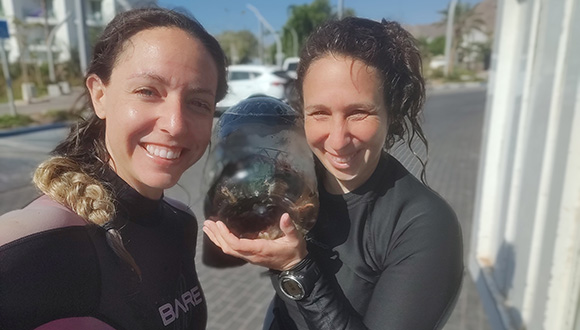
שני שוהם ורז מרום מוסקוביץ'

Two Ph.D. candidate Shani Shoham (right) and Raz Marom (Moskovich) happy to finally collect a sponge sample (in the bag) after several dives.

The researchers explain that sponges are the earliest multicellular organisms known to science. They live in marine environments and play an important role in the earth’s carbon, nitrogen, and silicon cycles. A sponge can process and filter seawater 50,000 times its body weight daily. With such enormous quantities of water flowing through them, they can accumulate various trace elements – and scientists try to understand how they cope with toxic amounts of materials like arsenic and molybdenum. 

The Hidden Shine of the Sponge

PhD student Shani Shoham: “20 to 30 years ago, researchers from our lab collected samples of a rare sponge called Theonella conica from the coral reef of Zanzibar in the Indian Ocean and found a high concentration of molybdenum. Molybdenum is a trace element, important for metabolism in the cells of all animals including humans, and widely used in industry. In my research, I wanted to test whether such high concentrations are also found in this sponge species in the Gulf of Eilat, where it grows at depths of more than 27 meters. Finding the sponge and analyzing its composition I discovered that it contained more molybdenum than any other organism on earth: 46,793 micrograms per gram of dry weight.”

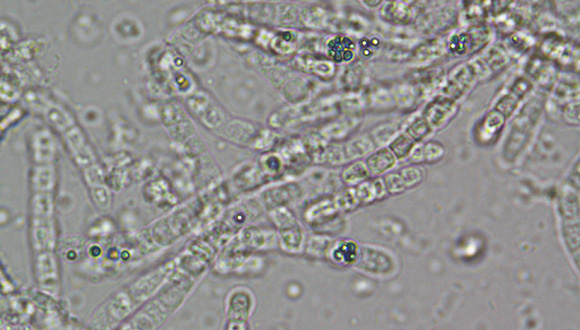
ככה זה נראה תחת מיקרוסקופ אור: אגירת מוליבדן בחיידק Entotheonella, ניתן להבחין בצבע הכחול בוקואולות (צילום: שני שהם)

Here’s what it looks like under a light microscope: Molybdenum accumulation in the bacterium Entotheonella. You can see the blue in the vacuoles. (Photo: Shani Shoham).

Shoham adds: “Like all trace elements, molybdenum is toxic when its concentration is higher than its solubility in water. But we must remember that a sponge is essentially a hollow mass of cells with no organs or tissues. Specifically in Theonella conica, up to 40% of the body volume is a microbial society – bacteria, viruses, and fungi living in symbiosis with the sponge. One of the most dominant bacteria, called Entotheonella sp., serves as a ‘detoxifying organ’ for accumulating metals inside the body of its sponge hosts. Hoarding more and more molybdenum, the bacteria convert it from its toxic soluble state into a mineral”.

“We are not sure why they do this. Perhaps the molybdenum protects the sponge, by announcing: “I’m toxic! Don’t eat me!”, and in return for this service the sponge does not eat the bacteria and serves as their host”

Sponge Bling: The Search for Molybdenum

Molybdenum is in high demand, mostly for alloys (for example, high-strength steel). Still, according to Shoham, it would be impracticable to retrieve it from sponges. The concentration is very high, but when translated into weight we could only get a few grams from every sponge, and the sponge itself is relatively rare. Sponges are grown in marine agriculture, mostly for the pharmaceutical industry, but this is quite a challenging endeavor. Sponges are very delicate creatures that need specific conditions”.

Shoham continues: “On the other hand, future research should focus on the ability of Entotheonellasp. bacteria to accumulate toxic metals. A few years ago, our lab discovered huge concentrations of other toxic metals, arsenic (As) and barium (Ba), in a close relative of Theonella conica, called Theonella swinhoei, which is common in the Gulf of Eilat. In this case, too, Entotheonellawas found to be largely responsible for hoarding the metals and turning them into minerals, thereby neutralizing their toxicity. Continued research on the bacteria can prove useful for treating water sources polluted with arsenic, a serious hazard which directly affects the health of 200 million people worldwide”.

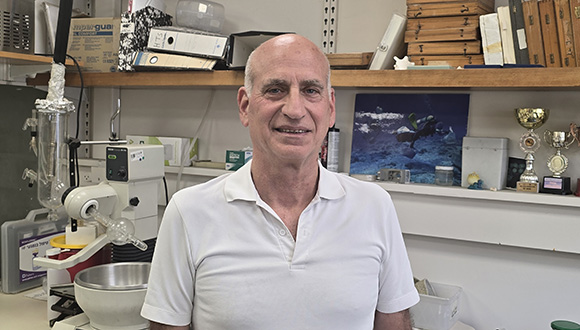
פרופ' מיכה אילן

 Prof. Micha Ilan.

How Do Lightning Storms Affect North Pole Sea Ice?

TAU Research Shows that Lightning Storms are Causing Sea Ice to Melt Faster at the North Pole

A new international study with the participation of researchers from Tel Aviv University found that alongside the general warming of the globe, lightning storms have been directly hastening the ongoing process of sea ice retreat covering the Arctic Ocean. According to the researchers: “Until recently, lightning as a phenomenon was extremely rare in the Arctic region of the North Pole, due to the intense cold. However, due to the warming of the Earth, lightning storms have become more common there in the summers, and these storms further increase the melting process of the ice sheets – in a feedback loop”.

Prof. Colin Price and MSc student Tair Plotnik from the Department of Geophysics at TAU’s Porter School of the Environment and Earth Sciences participated in the study, alongside Dr. Anirban Guha and Dr. Joydeb Saha from Tripura University in India. The article was published in the journal Atmospheric Research.

Arctic’s Cold Reality: Understanding Rapid Ice Loss

Prof. Price explains: “The Arctic region is defined as the region located north of the 66.5° latitude. In the heart of this region, around the North Pole, there is no land, and due to the extreme cold conditions, the sea is covered with a thick layer of sea ice, which currently extends over about 8 million square kilometers. The white ice reflects the sun’s rays and thus contributes to the cooling of the Earth. But in recent decades, with the warming of the Earth, the ice cover has retreated at a rate of about 70,000 square kilometers per year, or 6.5% per decade (In this context, it is important to note that the temperature at the North Pole has been rising at an accelerating pace – about 4° until today, in contrast to about 1° on Earth as a whole).

Prof. Colin Price

The retreat of the ice increases the warming even further, because the dark areas of the ocean under the ice, which are getting bigger and bigger, absorb the sun’s rays that would normally be reflected in space. This is how a feedback loop is created: the retreat of the ice increases the warming, which in turn increases the melting of the ice, and the cycle repeats”.

Lightning’s Role in Polar Ice Melt

According to the researchers, the phenomenon of melting ice sheets at both poles is firstly attributed to the result of human activity due to the increase in the amount of greenhouse gases in the atmosphere, creating a kind of ‘blanket’ that preserves the heat and does not allow it to disperse into space. However, studies have not found a direct match between the greenhouse gas changes, which increase at a more or less constant rate every year, and the rate of sea ice melting, which varies immensely from year to year. This study sought to examine the possible effect of another factor – lightning storms – on the melting of the sea ice in the Arctic region.

The researchers explain that lightning, as a phenomenon, was extremely rare in the Arctic region until recently, due to the intense cold that prevails there. But in recent decades, apparently, due to global warming, lightning storms have been observed there in the summertime, when the sun does not set at all, heating the surface (Lightning storms form when the surface of the ground heats up, and pockets of air rise in the atmosphere, where they cool, condense, and become clouds that sometimes develop into thunderstorms).

To test their hypothesis that lightning storms contribute to the melting of the ice around the North Pole, the researchers compared two sets of data: images from NASA satellites that have been documenting the retreat of the ice in the Arctic Sea for more than 40 years, and lightning data collected by the global network WWLLN (wwlln.net) – which includes around 70 lightning detection stations, deployed in research institutions all over the world – one of which stands on the roof of the Faculty of Exact Sciences building at TAU. Prof. Price explains: “Lightning is the result of a massive electric field that is discharged at once and transmits radio waves that can be received even thousands of kilometers away from the lightning. The global network’s sensors detect and map thunderstorms anywhere on the planet, in real-time and non-stop. Cross-referencing the information from the various stations allows for an accurate determination of the location and time of each lightning strike detected, and thus, a global map of lightning over time is obtained. For this study, we collected data on lightning in the Arctic region during the summer months of June, July and August every year since 2010″.

Lightning Storms: Catalysts for Polar Ice Melt

A statistical analysis of the ice sheet retreat crossed with the number of lightning storms revealed a correlation: as the number of storms increased in a certain year, so did the melting of the sea ice increase that year. The researchers explain this by comparing thunderstorms to a giant vacuum cleaner, sucking water vapor up from the surface layer to the upper atmosphere (5-10km altitude), where it accumulates and acts like an additional blanket, trapping the surface heat from leaving, and increasing the surface temperature – just like man-made greenhouse gases. Another possibility observed in a previous study is that these same lightning storms lead to an increase in the formation of high cirrus clouds in the upper layers of the atmosphere – which also form a similar ‘blanket’.

Prof. Price concludes: “In our research, we found a clear statistical relationship between the number of lightning storms in the Arctic region in a certain year and the rate of sea ice melting that year. This means that the storms are another factor that increases the melting of the polar ice, producing a feedback loop: the initial melting of the ice increases the dark surface areas of the sea, which absorb more of the sun’s rays, warming up the waters, causing more melting, accelerating the rate of warming, which in turn increases the number of lightning storms, and the cycle repeats itself. As a result of this, and of the warming of the Earth in general, we expect that the frequency of lightning storms in the Arctic region will increase in the coming years, and with it, the rate of sea ice retreat in the Arctic Sea will accelerate”.

Researchers Produce Highly Efficient, Low-cost “Green” Hydrogen

Initial hope for mass production of green hydrogen, which will dramatically reduce global CO2 emissions.

Tel Aviv University researchers have achieved a groundbreaking milestone by successfully producing highly efficient and low-cost “green” hydrogen. By harnessing the power of green electricity and utilizing a highly efficient biocatalyst, this innovative process generates hydrogen without any air pollution.

Hydrogen plays a vital role as raw material in both agriculture and industry. However, most of the hydrogen produced globally, approximately 95%, falls in the “black” or “gray” category. These types of hydrogen are derived from coal or natural gas, emitting a significant 9-12 tons of carbon dioxide for every ton of hydrogen produced.

Over 90% Efficiency

The new method was developed by doctoral student Itzhak Grinberg and Dr. Oren Ben-Zvi, under the guidance of Prof. Iftach Yacoby of the School of Plant Sciences and Food Security at the Faculty of Life Sciences and Prof. Lihi Adler-Abramovich of the School of Dental Medicine and the Center for Nanoscience and Nanotechnology. The promising research results were published in the prominent journal Carbon Energy, focusing on advanced materials and technology for clean energy and CO2 emission reduction.

“Hydrogen is very rare in the atmosphere,” explains Itzhak Grinberg, “although it is produced by enzymes in microscopic organisms, which receive the energy for this from photosynthesis processes. In the lab, we ‘electrify’ those enzymes, that is, an electrode provides the energy instead of the sun. The result is a particularly efficient process, with no demand for extreme conditions, that can utilize electricity from renewable sources such as solar panels or wind turbine. However, the enzyme ‘runs away’ from the electric charge, so it needs to be held in place through chemical treatment. We found a simple and efficient way to attach the enzyme to the electrode and utilize it.”

The researchers used a hydrogel (a water-based gel) to attach the enzyme to the electrode and were able to produce green hydrogen using a biocatalyst, and with over 90% efficiency; that is, over 90% of the electrons introduced into the system were deposited in the hydrogen without any secondary processes.


“We hope that in the future, it will be possible to employ our method commercially, to lower the costs, and to make the switch towards using green hydrogen in industry, agriculture, and as a clean energy source.” – Dr. Oren Ben-Zvi


Prof. Iftach Yacoby explains that, “The material of the gel itself is known, but our innovation is to use it to produce hydrogen. We soaked the electrode in the gel, which contained an enzyme for producing hydrogen, called hydrogenase. The gel holds the enzyme for a long time, even under the electric voltage, and makes it possible to produce hydrogen with great efficiency and at environmental conditions favorable to the enzyme — for example, in salt water, in contrast to electrolysis, which requires distilled water.

Prof. Lihi Adler-Abramovich adds: “Another advantage is that the gel assembles itself — you put the material in water, and it settles into nanometric fibers that form the gel. We demonstrated that these fibers are also able to stick the enzyme to the electrode. We tested the gel with two other enzymes, in addition to the hydrogenase, and proved that it was able to attach different enzymes to the electrode.”

“Today, ‘green’ hydrogen is produced primarily through electrolysis, which requires precious and rare metals such as platinum along with water distillation, which makes the green hydrogen up to 15 times more expensive than the polluting ‘grey’ one, says Dr. Oren Ben-Zvi. “We hope that in the future, it will be possible to employ our method commercially, to lower the costs, and to make the switch towards using green hydrogen in industry, agriculture, and as a clean energy source.”

Victoria

Phone: +61 3 9296 2065
Email: office@aftau.asn.au

New South Wales

Phone: +61 02 7241 8711
Email: admin@aftau.org.au

Western Australia

Phone: :+61 0418 46 5556
Email: davidsolomon@aftau.org.au